Bill · H.R. 6900· House(119-HR-6900)
American Affordability Act of 2025
- Introduced
- 12/18/2025
- Last activity
- 12/18/2025 — Referred to the Committee on Ways and Means, and in addition to the Committees on Education and Workforce, and Energy and Commerce, for a period to be subsequently determined by the Speaker, in each case for consideration of such provisions as fall within the jurisdiction of the committee concerned.
- Sponsored by
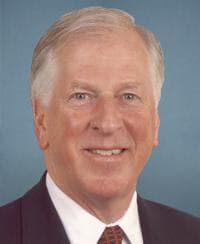
- Mike Thompson
- Cosponsors
- - 46 - 0
- Introduced
- In Committee
What this bill would do
The American Affordability Act of 2025 is a bill intended to amend the Internal Revenue Code of 1986 to address the national cost-of-living crisis. The legislation focuses heavily on housing and municipal infrastructure by reforming low-income housing credits and creating new incentives for affordable housing conversions and neighborhood homes. It also includes provisions for lowering energy costs through clean energy production and efficiency credits. Additionally, the bill addresses child and dependent care, education and workforce training, and healthcare accessibility. The goal is to provide various tax credits and regulatory changes to assist different populations in affording essential needs.
Yes· 3 of 43
Would children be better off under this?+7
The bill expands child tax credits and monthly advance payments for families.
Would households on low incomes be better off under this?+7
The bill increases the Earned Income Credit, renter credits, and provides expanded healthcare benefits.
Does this make child care cost less?+7
The bill expands the Child and Dependent Care Tax Credit and creates a new Licensed Family Child Care Credit.
The opposite
No question was scored the opposite.
Who it would affect, and how
Potential Positive Impacts for People
-
Increased Housing Allocations: States would receive higher per capita amounts and minimum amounts for low-income housing credits (Sec. 11101).
-
Protection for Domestic Abuse Victims: Housing credit-supported projects would be required to prohibit lease terminations or refusals based on criminal activity related to domestic violence or stalking (Sec. 11205).
-
Support for Veterans: The bill clarifies that veterans are treated as members of specified groups for public use requirements and ensures veteran disability compensation is disregarded when determining income for housing credits (Sec. 11206, Sec. 11701).
-
Help for Students: The bill modifies student occupancy rules to provide exceptions for students who are married, have children, or are victims of various forms of violence (Sec. 11203).
-
Incentives for Housing Conversions: A new investment credit is created to encourage the conversion of non-residential buildings into affordable housing (Sec. 12001).
-
Neighborhood Home Ownership: The "Neighborhood Homes Credit" provides incentives for the development or substantial rehabilitation of qualified residences for qualified homeowners (Sec. 12002).
-
Support for Unique Populations: Additional housing credit allocations are available for those facing unique barriers, such as formerly justice-involved individuals, current or former foster youths, and kinship caregivers (Sec. 11801).
-
Energy Cost Reductions: The bill includes various credits for clean energy production, residential clean energy, and energy-efficient home improvements (Sec. 21001, Sec. 22001).
-
Increased Gain Exclusion on Home Sales: The bill increases the amount of gain excluded from the sale of a principal residence from $250,000 to $500,000 (and $500,000 to $1,000,000 for married couples), which provides a larger tax benefit for homeowners (Section 12004).
-
Middle-Income Housing Support: The creation of a middle-income housing credit is designed to provide tax credits for qualified middle-income buildings, which could aid in the development of housing projects (Section 12005).
-
Support for First-Time Homebuyers: A new refundable tax credit is established, allowing first-time homebuyers to receive a credit of 10 percent of the purchase price, up to $15,000, to help with the purchase of a principal residence (Section 13001).
-
Relief for Renters: A renter tax credit is introduced for individuals whose rent exceeds 30 percent of their adjusted gross income, providing a credit based on that excess (Section s 13002).
-
Extended Energy Credits: The bill restores and extends several clean energy credits, such as the residential clean energy credit, which is extended to cover property placed in service through 2034 (Section 21006).
-
Electric Bicycle Support: Provides a tax credit of 30% for qualified electric bicycles, with a cost cap of $5,000 per bicycle, to help individuals acquire these vehicles (SEC. 23005(a)-(b)).
-
Water Reuse Incentives: Offers a 30% credit for qualified investments in water reuse projects, such as those installing onsite water recycling systems in industrial or food processing facilities (SEC. 24001(a)-(c)).
-
Recycling Investment: Creates a 30% investment credit for qualified recycling property to encourage the reuse of materials (SEC. 24002(a)).
-
Disaster Mitigation Assistance: Allows a 30% tax credit for expenditures made toward qualifying mitigation activities for real property, such as improving roof attachments or installing storm shelters (SEC. 24005(a)-(b)).
-
Infrastructure Development: Establishes a 30% credit for qualifying electric power transmission line property to enhance grid resilience and capacity (SEC. 24006(a)).
-
Advanced Battery Research: Provides a 30% credit for qualifying advanced battery projects to support the establishment or expansion of manufacturing facilities (SEC. 24007(a)).
-
Child Tax Relief: Establishes a monthly advance child tax credit, providing $300 per month for children aged 6 and under, or 120% of that amount for infants (SEC. 31001(b)).
-
Tax Exclusions for Disaster Relief: Ensures that qualified catastrophe loss mitigation payments and certain emergency agricultural assistance are not included in a person's gross income (SEC. 24003 and SEC. 24004).
-
Increased Support for Childcare: The bill increases the dollar limit on the amount creditable for child and dependent care (Section 32001(b)) and establishes a new credit for qualified child care startup expenses for licensed family child care providers (Section s 32004(a)).
-
Support for Caregivers: A new tax credit is created for "eligible caregivers" to help with qualified expenses such as respite care, counseling, or lost wages (Section 32003(a)-(e)).
-
Expanded Higher Education Benefits: The American Opportunity Credit is expanded to cover six years instead of four (Section 41001(a)) and can now include expenses for computer equipment and internet access (Section 41003(a)(1)(A)). It also expands the Pell Grant exclusion from gross income (Section 41002(a)).
-
Enhanced Health Insurance Access: The bill increases eligibility for health insurance premium assistance (Section 50001(a)).
-
Improved Vaccine Coverage: Health plans, Medicare, Medicaid, and CHIP are required to provide coverage for certain immunizations recommended by the Advisory Committee on Immunization Practices without cost-sharing requirements (Section 50004).
Potential Negative Impacts for People
-
Restrictions on Foreclosures: The bill includes provisions that restrict the treatment of certain buildings following a casualty loss and includes restrictions regarding planned foreclosures (Sec. 11301, Sec. 11310).
-
Limitations on Ownership: The bill modifies rules regarding previous ownership and places limitations on the acquisition basis for certain buildings (Sec. 11302).
-
Rules for Neighborhood Homes: The Neighborhood Homes Credit includes a repayment requirement where sellers may have to pay back a portion of the gain from a sale if the home is sold within a 5-year period (Sec. 12002(g)).
-
Denial of Deductions: For those using the Neighborhood Homes Credit, tax deductions for expenses may be denied if the home is converted to rental housing during a specific 5-year period (Sec. 12002(j)(10)).
-
Taxpayer Responsibilities for Energy Credits: To claim the energy efficient home improvement credit, taxpayers must include a qualified product identification number on their tax returns (Section 22001).
-
Recapture of Homebuyer Credits: If an individual who received the first-time homebuyer credit disposes of their principal residence before the end of a four-year recapture period, they may have to pay back a portion of the credit (Section 13001).
-
Income Limitations on Housing Credits: The renter tax credit and the first-time homebuyer credit are subject to phaseouts or limitations based on the taxpayer's income and the area median purchase price (Section 13001, Section 13002).
-
Income-Based Credit Reductions: The electric bicycle credit is subject to a phaseout based on modified adjusted gross income, which may reduce or eliminate the benefit for higher earners (SEC. 23005(b)(3)).
-
Recycling Credit Phase-Out: The credit for recycling property investment decreases over time, eventually reaching 0 percent by 2037 (SEC. 24002(d)(2)).
-
Child Tax Credit Limitations: The monthly child tax credit is subject to reductions based on modified adjusted gross income, meaning the benefit decreases as income rises above certain thresholds (SEC. 31001(b)(2)).
-
Child Tax Credit Restrictions: Taxpayers may be denied the credit if they commit fraud or engage in reckless or intentional disregard of rules and regulations (SEC. 31001(f)(1)).
-
Tax Credit Reductions for High Earners: The Child and Dependent Care Credit includes a phaseout where the percentage is reduced as adjusted gross income exceeds certain thresholds (Section 32001(a)). Similarly, the new Working Family Caregiver credit is subject to a phaseout based on modified adjusted gross income (Section s 32003(f)).
-
Limitations on Startup Credits: The new credit for licensed family child care startup expenses is subject to a sunset provision, meaning it will not apply to any taxable year beginning after a specific period (Section 32004(h)).
-
Restrictions on Educational Credits: The expanded American Opportunity Credit includes specific limitations, such as a cap on the amount creditable for computer or peripheral equipment (Section 41003(a)(1)(A)(ii)).
Groups and Interests Ranking
Every group the model scored this bill for, from -10 to +10. Hover a score for the reason it gave.
- Demographic And Interest Groups
- Good For Children+7Good For Low Income Households+7Good For Middle Class Households+5Good For Native Americans+5Good For Veterans+5Good For Young Adults+5Good For Rural Residents+4Good For Union Workers+4Good For Women+4Good For African Americans+3Good For Hispanic Americans+3Good For Seniors+3Good For Asian Americans+2Good For L G B T Q Community+2
- Social Issues And Justice
- Improves Affordable Housing+7Improves Childcare Affordability+7Improves Poverty Reduction+5Improves Disability Rights+3Improves Policing Reform+3Improves Racial Equity+3
- Healthcare
- Improves Healthcare Access+7Increases Affordable Care Act Support+6Increases Medicaid Funding+5Improves Pandemic Preparedness+4Reduces Prescription Drug Costs+3Reduces Private Insurance Premiums+2
- Environment Energy And Infrastructure
- Increases Renewable Energy Investment+6Reduces Carbon Emissions+5Improves Disaster Relief And F E M A+4Improves Rural Development+4Improves Environmental Protections+3Improves Public Transit+2
- Economy And Finance
- Reduces Middle Class Taxes+5Improves Economic Growth+4Increases Job Creation+4Improves Union Protections+3Reduces Small Business Taxes+3Improves Small Business Support+2
- Education And Technology
- Improves College Affordability+6Improves Student Loan Relief+5Increases Scientific Research Funding+3
- National Security And Foreign Policy
- Improves Veterans Benefits+5
- Governance And Ideology
- Improves Government Transparency+2
- 8/3/2026
- 1 Cosponsor added.
- 3/4/2026
- 1 Cosponsor added.
- 2/10/2026
- 1 Cosponsor added.
- 2/4/2026
- 2 Cosponsors added.
- 1/30/2026
- 4 Cosponsors added.
- 1/12/2026
- 1 Cosponsor added.
- 1/8/2026
- 3 Cosponsors added.
- 1/7/2026
- 1 Cosponsor added.
- 12/18/2025
- Referred to the Committee on Ways and Means, and in addition to the Committees on Education and Workforce, and Energy and Commerce, for a period to be subsequently determined by the Speaker, in each case for consideration of such provisions as fall within the jurisdiction of the committee concerned.
- 32 Cosponsors added.
- Introduced in House
46 bills Congress.gov lists as related to this one — companions in the other chamber, earlier versions, and bills this one absorbed or was folded into.
- 119-HR-247: Health Care Affordability Act of 2025
- 119-HR-721: Performing Artist Tax Parity Act of 2025
- 119-HR-893: Working Families Housing Tax Credit Act
- 119-HR-1296: Expanding Child Care Access Act of 2025
- 119-HR-1340: More Homes on the Market Act
- 119-HR-2036: Credit for Caring Act of 2025
- 119-HR-2410: Revitalizing Downtowns and Main Streets Act
- 119-HR-2543: Tax-Free Pell Grant Act
- 119-HR-2671: Tax Fairness for Workers Act
- 119-HR-2725: Affordable Housing Credit Improvement Act of 2025
- 119-HR-2763: American Family Act
- 119-HR-2764: Tax Cut for Workers Act of 2025
- 119-HR-2854: Neighborhood Homes Investment Act
- 119-HR-2940: Advancing Water Reuse Act
- 119-HR-2941: Historic Tax Credit Growth and Opportunity Act of 2025
- 119-HR-2994: Child and Dependent Care Tax Credit Enhancement Act of 2025
- 119-HR-3257: Bridge to Medicaid Act of 2025
- 119-HR-3285: Student Loan Marriage Penalty Elimination Act of 2025
- 119-HR-3964: Affordable Housing Equity Act of 2025
- 119-HR-4466: CIRCLE Act
- 119-HR-4572: Save Affordable Housing Act of 2025
- 119-HR-4717: First-Time Homebuyer Tax Credit Act of 2025
- 119-HR-5448: Protecting Free Vaccines Act
- 119-HR-5475: No Tax on Overtime for All Workers Act
- 119-HR-5529: Fair Housing for Disabeled Veterans Act
- 119-HR-5862: American Energy Independence and Affordability Act
- 119-HR-5881: Double Dependents Relief Act
- 119-HR-7160: First Home Affordability Act
- 119-HR-8626: Workforce Housing Tax Credit Act
- 119-S-46: Health Care Affordability Act of 2025
- 119-S-925: Credit for Caring Act of 2025
- 119-S-1121: Performing Artist Tax Parity Act of 2025
- 119-S-1286: Tax Fairness for Workers Act
- 119-S-1372: Tax Cut for Workers Act of 2025
- 119-S-1393: American Family Act
- 119-S-1421: Child and Dependent Care Tax Credit Enhancement Act of 2025
- 119-S-1459: Historic Tax Credit Growth and Opportunity Act of 2025
- 119-S-1515: Affordable Housing Credit Improvement Act of 2025
- 119-S-1686: Neighborhood Homes Investment Act
- 119-S-2402: First-Time Homebuyer Tax Credit Act of 2025
- 119-S-2857: Protecting Free Vaccines Act of 2025
- 119-S-3332: More Homes on the Market Act
- 119-S-4042: Keep Your Pay Act
- 119-S-4119: Student Loan Marriage Penalty Elimination Act of 2026
- 119-S-4310: No Tax on Overtime for All Workers Act
- 119-S-4506: Advancing Water Reuse Act
 Alma Adams
Democrat · North Carolina
 Julia Brownley
Democrat · California
 Ami Bera
Democrat · California
 Donald Beyer
Democrat · Virginia
 Brendan Boyle
Democrat · Pennsylvania
 Wesley Bell
Democrat · Missouri
 Jim Costa
Democrat · California
 Joe Courtney
Democrat · Connecticut
 André Carson
Democrat · Indiana
 Judy Chu
Democrat · California
 Angie Craig
Democrat · Minnesota
 Danny Davis
Democrat · Illinois
 Rosa DeLauro
Democrat · Connecticut
 Suzan DelBene
Democrat · Washington
 Dwight Evans
Democrat · Pennsylvania
 Lois Frankel
Democrat · Florida
 John Garamendi
Democrat · California
 Jimmy Gomez
Democrat · California
 Daniel Goldman
Democrat · New York
 Steven Horsford
Democrat · Nevada
 Julie Johnson
Democrat · Texas
 Timothy Kennedy
Democrat · New York
 John Larson
Democrat · Connecticut
 Gwen Moore
Democrat · Wisconsin
 Doris Matsui
Democrat · California
 Frank Mrvan
Democrat · Indiana
 Morgan McGarvey
Democrat · Kentucky
 Jennifer McClellan
Democrat · Virginia
 John Mannion
Democrat · New York
 Kristen McDonald Rivet
Democrat · Michigan
 Sarah McBride
Democrat · Delaware
 Eleanor Norton
Democrat · District of Columbia
 Chellie Pingree
Democrat · Maine
 Stacey Plaskett
Democrat · Virgin Islands
 Jimmy Panetta
Democrat · California
 Mike Quigley
Democrat · Illinois
 Josh Riley
Democrat · New York
 Linda Sánchez
Democrat · California
 Terri Sewell
Democrat · Alabama
 Bradley Schneider
Democrat · Illinois
 Thomas Suozzi
Democrat · New York
 Hillary Scholten
Democrat · Michigan
 Andrea Salinas
Democrat · Oregon
 Dina Titus
Democrat · Nevada
 Shri Thanedar
Democrat · Michigan
 Eugene Vindman
Democrat · Virginia