
Jeff Merkley (D-OR)
A resolution expressing the sense of the Senate that the United States Department of Agriculture should use its contingency funds and interchange authority to finance the supplemental nutrition assistance program.
A Democratic resolution with 43 Democratic cosponsors · See all 45 cosponsors
Last activity — Referred to the Committee on Agriculture, Nutrition, and Forestry.
In committee
Introduced and handed to a committee in the chamber it started in.
The committee holds it, and most bills are never heard from again. A hearing or a committee vote would be news; silence is the usual outcome, and it kills the bill without anyone voting against it.
Its path through Congress
- Introduced
- In Committee
A Senate resolution is the Senate speaking for itself: stating a position, honouring someone, or setting its own rules. Adopting it is the whole process. Once the Senate agrees to it, it is officially the Senate's word; it is not a law, so the House and the President have no part in it.
What this bill would do
S. Res. 481 expresses the sense of the Senate that the USDA should use contingency funds and interchange authority to fund the supplemental nutrition assistance program (SNAP). The resolution states that the administration is legally obligated to fund SNAP using these funds. It asserts that the administration has the authority and money to finance the program through November 2025. The goal is to ensure health and wellness for families experiencing hunger.
Yes· 3 of 21
- Scored +10
Would children be better off under this?
Prevents food insecurity for 16 million children and prevents damage to their ability to learn.
- Scored +10
Would people over 65 be better off under this?
Directly impacts 8 million seniors who rely on SNAP.
- Scored +10
Would households on low incomes be better off under this?
Directly provides food security to the lowest income households.
The opposite
No question was scored the opposite.
Who it would affect, and how
Potential Positive Impacts for People
-
Prevention of Hunger: Using the contingency fund would provide food access for approximately 42,000,000 people, including 16,000,000 children, 8,000,000 seniors, 4,000,000 people with disabilities, and 1,200,000 veterans (Resolved, section 3).
-
Support for Children: Funding ensures children do not go without food, which prevents the deep damage to their ability to learn in school caused by persistent hunger (Whereas clause).
Potential Negative Impacts for People
- No negative impacts for people are explicitly mentioned in the provided text.
Groups and Interests Ranking
Every group the model scored this bill for, from -10 to +10. Tap or hover a score for the reason it gave.
- Demographic And Interest Groups
- Would children be better off under this? — Prevents food insecurity for 16 million children and prevents damage to their ability to learn. Would households on low incomes be better off under this? — Directly provides food security to the lowest income households. Would people with disabilities be better off under this? — Directly impacts 4 million people with disabilities who rely on SNAP. Would retired people be better off under this? — Directly benefits 8 million seniors who use SNAP. Would people over 65 be better off under this? — Directly impacts 8 million seniors who rely on SNAP. Would veterans be better off under this, taking everything together? — Directly impacts 1.2 million veterans who rely on SNAP. Would students be better off under this? — Prevents hunger, which the bill notes deeply damages the ability of students to learn. Would Black Americans be better off under this? — Disproportionately benefits minority groups who often face higher rates of food insecurity. Would Asian Americans be better off under this? — Disproportionately benefits minority groups who often face higher rates of food insecurity. Would Hispanic Americans be better off under this? — Disproportionately benefits minority groups who often face higher rates of food insecurity. Would men be better off under this? — Provides essential food assistance to eligible individuals. Would people in middle age be better off under this? — Provides essential food assistance to millions of adults. Would Native Americans be better off under this? — Disproportionately benefits minority groups who often face higher rates of food insecurity. Would people in rural areas be better off under this? — Provides essential food access in rural areas with high low-income populations. Would people in cities be better off under this? — Provides essential food access in urban areas with high low-income populations. Would white Americans be better off under this? — Benefits low-income individuals of all racial backgrounds. Would women be better off under this? — Supports families and caregivers who often manage household nutrition. Would people in their twenties and thirties be better off under this? — Provides essential food assistance to millions of adults.
- Social Issues And Justice
- Is this likely to lift people out of poverty? — The bill seeks to prevent hunger for 42 million people through SNAP funding. Is this likely to reduce homelessness? — Access to food assistance can provide a basic stability layer for those facing housing instability.
- Healthcare
- Does this make health care easier to get in general? — By ensuring SNAP funding, the bill promotes basic nutritional health and wellness for millions.
- 11/3/2025
- Referred to the Committee on Agriculture, Nutrition, and Forestry.
- 45 Cosponsors added.
- Introduced in Senate
One bill Congress.gov lists as related to this one — companions in the other chamber, earlier versions, and bills this one absorbed or was folded into.
 Angela Alsobrooks
Democrat · Maryland
 Tammy Baldwin
Democrat · Wisconsin
 Michael Bennet
Democrat · Colorado
 Richard Blumenthal
Democrat · Connecticut
 Cory Booker
Democrat · New Jersey
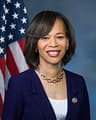 Lisa Blunt Rochester
Democrat · Delaware
 Maria Cantwell
Democrat · Washington
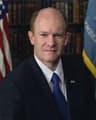 Christopher Coons
Democrat · Delaware
 Catherine Cortez Masto
Democrat · Nevada
 Richard Durbin
Democrat · Illinois
 Tammy Duckworth
Democrat · Illinois
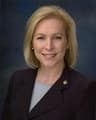 Kirsten Gillibrand
Democrat · New York
 Ruben Gallego
Democrat · Arizona
 John Hickenlooper
Democrat · Colorado
 Mazie Hirono
Democrat · Hawaii
 Martin Heinrich
Democrat · New Mexico
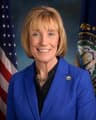 Maggie Hassan
Democrat · New Hampshire
 Amy Klobuchar
Democrat · Minnesota
 Mark Kelly
Democrat · Arizona
 Angus King
Independent · Maine
 Timothy Kaine
Democrat · Virginia
 Andy Kim
Democrat · New Jersey
 Ben Luján
Democrat · New Mexico
 Edward Markey
Democrat · Massachusetts
 Patty Murray
Democrat · Washington
 Christopher Murphy
Democrat · Connecticut
 Jon Ossoff
Democrat · Georgia
 Alex Padilla
Democrat · California
 Gary Peters
Democrat · Michigan
 John Reed
Democrat · Rhode Island
 Jacky Rosen
Democrat · Nevada
 Bernie Sanders
Independent · Vermont
 Charles Schumer
Democrat · New York
 Adam Schiff
Democrat · California
 Jeanne Shaheen
Democrat · New Hampshire
 Brian Schatz
Democrat · Hawaii
 Tina Smith
Democrat · Minnesota
 Elissa Slotkin
Democrat · Michigan
 Chris Van Hollen
Democrat · Maryland
 Ron Wyden
Democrat · Oregon
 Raphael Warnock
Democrat · Georgia
 Peter Welch
Democrat · Vermont
 Sheldon Whitehouse
Democrat · Rhode Island
 Mark Warner
Democrat · Virginia
 Elizabeth Warren
Democrat · Massachusetts