Bill · H.Con.Res. 4· House(119-HCONRES-4)
Expressing the sense of Congress that tax-exempt fraternal benefit societies have historically provided and continue to provide critical benefits to the people and communities of the United States.
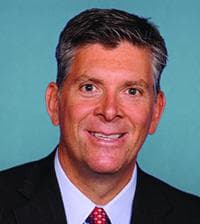
- Introduced
- 1/28/2025
- Last activity
- 1/28/2025 — Referred to the House Committee on Ways and Means.
- Sponsored by
- Darin LaHood
- Cosponsors
- - 67 - 54
- Introduced
- In Committee
A concurrent resolution is how the House and the Senate settle something they do together, such as a budget plan or a joint session. It is adopted once both chambers agree to it, and that puts it into effect; it is not a law, so it does not go to the President.
What this bill would do
This concurrent resolution expresses the sense of Congress regarding the historical and current benefits provided by tax-exempt fraternal benefit societies to communities in the United States. It highlights these mutual aid organizations as longstanding groups that provide life, health, accident, and other benefits while operating through a nationwide chapter system. The text notes that these societies represent a large member-volunteer network providing billions of dollars in charitable work, educational programs, and volunteer activities annually. It acknowledges that Congress first exempted these organizations from taxation in 1909 under section 501(c)(8) of the Internal Revenue Code of 1986. The resolution concludes that the fraternal benefit model is a successful private sector support system that relieves pressure on government safety net programs. Finally, it states that these societies continue to generate significant returns to the United States and their work should continue to be promoted.
Yes· 3 of 5
Does this reduce what the federal government spends?+3
The resolution notes that these societies relieve pressure on government safety net programs.
Does this make health care easier to get in general?+3
The resolution highlights how these societies provide critical life and health benefits to members.
Would households on low incomes be better off under this?+2
The resolution states these societies address unmet needs in communities.
The opposite
No question was scored the opposite.
Who it would affect, and how
Potential Positive Impacts for People
-
Support for Community Needs: The resolution states in paragraph (1) that the fraternal benefit society model serves as a private sector economic and social support system that helps meet needs that would otherwise go unmet. This could be considered positive because these groups address community needs effectively.
-
Provision of Member Benefits: Paragraph (2) notes the provision of payment for life, health, accident, or other benefits to members in accordance with section 501(c)(8) of the Internal Revenue Code of 1986. This might be considered positive as it supports the charitable and fraternal activities of volunteer chapters.
-
Relief for Government Safety Nets: The text points out that the efforts of these societies to help people save money and achieve financial security relieve pressure on government safety net programs. This is a positive outcome because it assists individuals with financial security.
-
Tax Exemption and Continued Promotion: Paragraph (4) states that the tax exemption under section 501(c)(8) continues to generate significant returns to the United States, and the work of these societies should continue to be promoted. This could be viewed as positive for maintaining support of their ongoing community contributions.
Potential Negative Impacts for People
- No Negative Impacts Identified: The provided text does not contain any specific sections or provisions that outline negative consequences or burdens for individuals or groups of people in the United States.
Groups and Interests Ranking
Every group the model scored this bill for, from -10 to +10. Hover a score for the reason it gave.
- Demographic And Interest Groups
- Good For Low Income Households+2Good For Middle Class Households+2
- Economy And Finance
- Reduces Government Spending+3
- Healthcare
- Improves Healthcare Access+3
- Social Issues And Justice
- Improves Poverty Reduction+2
- 10/1/2026
- 1 Cosponsor added.
- 9/17/2026
- 2 Cosponsors added.
- 9/1/2026
- 1 Cosponsor added.
- 8/3/2026
- 3 Cosponsors added.
- 7/22/2026
- 1 Cosponsor added.
- 7/20/2026
- 1 Cosponsor added.
- 7/15/2026
- 1 Cosponsor added.
- 6/24/2026
- 1 Cosponsor added.
- 6/23/2026
- 2 Cosponsors added.
- 6/2/2026
- 1 Cosponsor added.
- 5/29/2026
- 1 Cosponsor added.
- 5/11/2026
- 1 Cosponsor added.
- 5/4/2026
- 1 Cosponsor added.
- 4/16/2026
- 1 Cosponsor added.
- 3/26/2026
- 1 Cosponsor added.
- 12/11/2025
- 1 Cosponsor added.
- 12/10/2025
- 1 Cosponsor added.
- 11/20/2025
- 1 Cosponsor added.
- 11/19/2025
- 1 Cosponsor added.
- 10/31/2025
- 1 Cosponsor added.
- 10/24/2025
- 1 Cosponsor added.
- 10/21/2025
- 1 Cosponsor added.
- 10/17/2025
- 1 Cosponsor added.
- 10/8/2025
- 1 Cosponsor added.
- 9/26/2025
- 3 Cosponsors added.
- 9/4/2025
- 1 Cosponsor added.
- 9/3/2025
- 2 Cosponsors added.
- 8/19/2025
- 1 Cosponsor added.
- 8/8/2025
- 1 Cosponsor added.
- 8/5/2025
- 1 Cosponsor added.
- 7/25/2025
- 3 Cosponsors added.
- 7/21/2025
- 1 Cosponsor added.
- 6/11/2025
- 2 Cosponsors added.
- 5/21/2025
- 1 Cosponsor added.
- 5/19/2025
- 1 Cosponsor added.
- 5/5/2025
- 1 Cosponsor added.
- 4/24/2025
- 2 Cosponsors added.
- 4/14/2025
- 3 Cosponsors added.
- 3/6/2025
- 4 Cosponsors added.
- 3/4/2025
- 7 Cosponsors added.
- 3/3/2025
- 4 Cosponsors added.
- 2/25/2025
- 1 Cosponsor added.
- 2/24/2025
- 1 Cosponsor added.
- 2/21/2025
- 1 Cosponsor added.
- 1/31/2025
- 2 Cosponsors added.
- 1/28/2025
- Submitted in House
- Referred to the House Committee on Ways and Means.
- 50 Cosponsors added.
2 bills Congress.gov lists as related to this one — companions in the other chamber, earlier versions, and bills this one absorbed or was folded into.
 Joyce Beatty
Democrat · Ohio
 Andy Barr
Republican · Kentucky
 Donald Beyer
Democrat · Virginia
 Mike Bost
Republican · Illinois
 Brendan Boyle
Democrat · Pennsylvania
 Don Bacon
Republican · Nebraska
 Troy Balderson
Republican · Ohio
 Aaron Bean
Republican · Florida
 Nikki Budzinski
Democrat · Illinois
 Ed Case
Democrat · Hawaii
 Jim Costa
Democrat · California
 Emanuel Cleaver
Democrat · Missouri
 Salud Carbajal
Democrat · California
 Angie Craig
Democrat · Minnesota
 Mike Carey
Republican · Ohio
 Jeff Crank
Republican · Colorado
 Danny Davis
Democrat · Illinois
 Donald Davis
Democrat · North Carolina
 Christopher Deluzio
Democrat · Pennsylvania
 Suzan DelBene
Democrat · Washington
 Sharice Davids
Democrat · Kansas
 Madeleine Dean
Democrat · Pennsylvania
 Troy Downing
Republican · Montana
 Jake Ellzey
Republican · Texas
 Tom Emmer
Republican · Minnesota
 Ron Estes
Republican · Kansas
 Randy Feenstra
Republican · Iowa
 Bill Foster
Democrat · Illinois
 Brian Fitzpatrick
Republican · Pennsylvania
 Michelle Fischbach
Republican · Minnesota
 Scott Fitzgerald
Republican · Wisconsin
 Scott Franklin
Republican · Florida
 Mike Flood
Republican · Nebraska
 Brad Finstad
Republican · Minnesota
 Julie Fedorchak
Republican · North Dakota
 Brett Guthrie
Republican · Kentucky
 Glenn Grothman
Republican · Wisconsin
 Vicente Gonzalez
Democrat · Texas
 Josh Gottheimer
Democrat · New Jersey
 Sylvia Garcia
Democrat · Texas
 Jared Golden
Democrat · Maine
 Andrew Garbarino
Republican · New York
 Marie Perez
Democrat · Washington
 Craig Goldman
Republican · Texas
 James Himes
Democrat · Connecticut
 Bill Huizenga
Republican · Michigan
 Richard Hudson
Republican · North Carolina
 Chrissy Houlahan
Democrat · Pennsylvania
 Ashley Hinson
Republican · Iowa
 Erin Houchin
Republican · Indiana
 Jeff Hurd
Republican · Colorado
 Dusty Johnson
Republican · South Dakota
 Mike Kelly
Republican · Pennsylvania
 Young Kim
Republican · California
 Timothy Kennedy
Democrat · New York
 John Larson
Democrat · Connecticut
 Robert Latta
Republican · Ohio
 Nick LaLota
Republican · New York
 Michael Lawler
Republican · New York
 Greg Landsman
Democrat · Ohio
 Nicole Malliotakis
Republican · New York
 Betty McCollum
Democrat · Minnesota
 Gwen Moore
Democrat · Wisconsin
 John Moolenaar
Republican · Michigan
 Daniel Meuser
Republican · Pennsylvania
 Carol Miller
Republican · West Virginia
 Joseph Morelle
Democrat · New York
 Gregory Murphy
Republican · North Carolina
 Blake Moore
Republican · Utah
 Mariannette Miller-Meeks
Republican · Iowa
 Morgan McGarvey
Democrat · Kentucky
 Max Miller
Republican · Ohio
 Nathaniel Moran
Republican · Texas
 Ryan Mackenzie
Republican · Pennsylvania
 Kelly Morrison
Democrat · Minnesota
 Tim Moore
Republican · North Carolina
 Kristen McDonald Rivet
Democrat · Michigan
 Addison McDowell
Republican · North Carolina
 Joe Neguse
Democrat · Colorado
 Zachary Nunn
Republican · Iowa
 Jay Obernolte
Republican · California
 August Pfluger
Republican · Texas
 Mark Pocan
Democrat · Wisconsin
 Stacey Plaskett
Democrat · Virgin Islands
 Jimmy Panetta
Democrat · California
 Brittany Pettersen
Democrat · Colorado
 Mike Quigley
Democrat · Illinois
 Deborah Ross
Democrat · North Carolina
 David Rouzer
Republican · North Carolina
 John Rose
Republican · Tennessee
 Michael Rulli
Republican · Ohio
 Emily Randall
Democrat · Washington
 Maria Salazar
Republican · Florida
 Pete Sessions
Republican · Texas
 Brad Sherman
Democrat · California
 Linda Sánchez
Democrat · California
 David Scott
Democrat · Georgia
 Terri Sewell
Democrat · Alabama
 Bradley Schneider
Democrat · Illinois
 Elise Stefanik
Republican · New York
 Lloyd Smucker
Republican · Pennsylvania
 Thomas Suozzi
Democrat · New York
 Pete Stauber
Republican · Minnesota
 Bryan Steil
Republican · Wisconsin
 Haley Stevens
Democrat · Michigan
 Hillary Scholten
Democrat · Michigan
 Eric Sorensen
Democrat · Illinois
 Andrea Salinas
Democrat · Oregon
 Derek Schmidt
Republican · Kansas
 Jefferson Shreve
Republican · Indiana
 Thomas Tiffany
Republican · Wisconsin
 Glenn Thompson
Republican · Pennsylvania
 Claudia Tenney
Republican · New York
 William Timmons
Republican · South Carolina
 Ritchie Torres
Democrat · New York
 Nydia Velázquez
Democrat · New York
 Juan Vargas
Democrat · California
 Nikema Williams
Democrat · Georgia
 Ann Wagner
Republican · Missouri
 Tony Wied
Republican · Wisconsin
 Rudy Yakym
Republican · Indiana