Bill · S. 1663· Senate(119-S-1663)
Therapeutic Fraud Prevention Act of 2025
- Introduced
- 5/7/2025
- Last activity
- 5/7/2025 — Read twice and referred to the Committee on Commerce, Science, and Transportation.
- Sponsored by
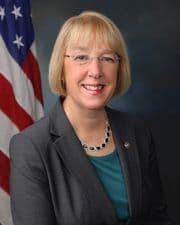
- Patty Murray
- Cosponsors
- - 40 - 0
- Introduced
- In Committee
What this bill would do
S. 1663, titled the Therapeutic Fraud Prevention Act of 2025, makes it illegal to provide commercial sexual orientation conversion therapy. The bill defines conversion therapy as any practice or treatment that seeks to change an individual's sexual orientation or gender identity in exchange for monetary compensation. It also prohibits advertising conversion therapy or knowingly assisting in its provision for compensation. The Federal Trade Commission, the Attorney General, and state attorneys general are given the power to enforce these prohibitions. Additionally, the legislation explicitly protects practices that assist with gender transitions or provide support, acceptance, and identity exploration.
Yes· 3 of 11
Would LGBTQ people be better off under this?+10
Directly bans harmful commercial practices targeting sexual orientation and gender identity.
Does this expand the rights of LGBTQ people?+9
Prohibits the practice of conversion therapy which targets LGBTQ individuals.
Does this give people more protection from unfair business practices?+7
Prevents consumers from being defrauded by paid, ineffective conversion therapy services.
The opposite
Would business owners be better off under this?-5
Creates legal liabilities and penalties for those providing commercial conversion therapy.
Who it would affect, and how
Potential Positive Impacts for People
-
Protection from Harmful Practices: Section 4(a)(1) makes it unlawful to provide conversion therapy to any individual. This protects people from a practice that Congress found to be dangerous to mental and physical health and contributes to depression, self-harm, and suicide.
-
Defense Against Deceptive Advertising: Section 4(a)(2) prohibits advertising conversion therapy and falsely claiming that it can change sexual orientation or gender identity, or that the efforts are harmless. This protects individuals and families from being defrauded by persons seeking to profit from ineffective therapies.
-
Ensuring Access to Supportive Care: Section 3(1)(B) clarifies that the definition of conversion therapy does not include practices that provide assistance to an individual undergoing a gender transition, or that provide acceptance, support, understanding, and identity exploration. This ensures individuals can still access safe, supportive mental health resources.
Potential Negative Impacts for People
- Burdens on Commercial Providers: Section 4(a)(1), Section 4(a)(2), and Section 4(a)(3) place strict prohibitions and potential civil penalties on any person who provides, advertises, or knowingly assists in the provision of conversion therapy for compensation. For individuals or entities that offer these services for a profit, these provisions restrict their commercial activities and subject them to enforcement actions by the Federal Trade Commission, the Attorney General, or state officials under Section 4(b), Section 4(c), and Section 4(d).
Groups and Interests Ranking
Every group the model scored this bill for, from -10 to +10. Hover a score for the reason it gave.
- Demographic And Interest Groups
- Good For L G B T Q Community+10Good For Children+6Good For Young Adults+6Good For Middle Aged+4Good For Low Income Households+3Good For Middle Class Households+3Good For Business Owners-5
- Social Issues And Justice
- Improves L G B T Q Rights+9Improves Gender Equality+5
- Economy And Finance
- Improves Consumer Protection+7
- Healthcare
- Improves Mental Health Access+4
- Governance And Ideology
- Increases Federal Power+3
- 9/22/2026
- 1 Cosponsor added.
- 9/14/2026
- 1 Cosponsor added.
- 8/6/2026
- 1 Cosponsor added.
- 7/30/2026
- 1 Cosponsor added.
- 5/12/2025
- 1 Cosponsor added.
- 5/7/2025
- Read twice and referred to the Committee on Commerce, Science, and Transportation.
- 37 Cosponsors added.
- Introduced in Senate
One bill Congress.gov lists as related to this one — companions in the other chamber, earlier versions, and bills this one absorbed or was folded into.
 Angela Alsobrooks
Democrat · Maryland
 Tammy Baldwin
Democrat · Wisconsin
 Michael Bennet
Democrat · Colorado
 Richard Blumenthal
Democrat · Connecticut
 Cory Booker
Democrat · New Jersey
 Lisa Blunt Rochester
Democrat · Delaware
 Maria Cantwell
Democrat · Washington
 Christopher Coons
Democrat · Delaware
 Catherine Cortez Masto
Democrat · Nevada
 Richard Durbin
Democrat · Illinois
 Tammy Duckworth
Democrat · Illinois
 John Fetterman
Democrat · Pennsylvania
 Kirsten Gillibrand
Democrat · New York
 Ruben Gallego
Democrat · Arizona
 John Hickenlooper
Democrat · Colorado
 Mazie Hirono
Democrat · Hawaii
 Martin Heinrich
Democrat · New Mexico
 Maggie Hassan
Democrat · New Hampshire
 Amy Klobuchar
Democrat · Minnesota
 Mark Kelly
Democrat · Arizona
 Angus King
Independent · Maine
 Timothy Kaine
Democrat · Virginia
 Andy Kim
Democrat · New Jersey
 Ben Luján
Democrat · New Mexico
 Edward Markey
Democrat · Massachusetts
 Christopher Murphy
Democrat · Connecticut
 Jeff Merkley
Democrat · Oregon
 Alex Padilla
Democrat · California
 Gary Peters
Democrat · Michigan
 John Reed
Democrat · Rhode Island
 Jacky Rosen
Democrat · Nevada
 Bernie Sanders
Independent · Vermont
 Adam Schiff
Democrat · California
 Jeanne Shaheen
Democrat · New Hampshire
 Brian Schatz
Democrat · Hawaii
 Tina Smith
Democrat · Minnesota
 Elissa Slotkin
Democrat · Michigan
 Chris Van Hollen
Democrat · Maryland
 Ron Wyden
Democrat · Oregon
 Peter Welch
Democrat · Vermont
 Sheldon Whitehouse
Democrat · Rhode Island
 Elizabeth Warren
Democrat · Massachusetts