Bill · H.R. 9641· House(119-HR-9641)
Essential Caregivers Act of 2026
- Introduced
- 7/13/2026
- Last activity
- 7/15/2026 — Ordered to be Reported in the Nature of a Substitute by the Yeas and Nays: 38 - 0.
- Sponsored by
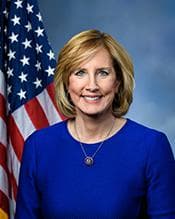
- Claudia Tenney
- Cosponsors
- - 38 - 37
- Introduced
What this bill would do
This bill is known as the Essential Caregivers Act of 2026. It requires certain facilities like nursing homes, long-term care hospitals, and rehabilitation facilities to let residents pick up to two essential caregivers for in-person visits when regular visits are suspended. Residents can change who they pick at any time, and if a resident has a cognitive decline, a representative can make the choice for them. Facilities cannot limit or deny visits from an essential caregiver for end-of-life care. The bill also sets up a fast complaint process where states must look into complaints about caregiver access within 3 days.
Yes· 3 of 7
Would people over 65 be better off under this?+9
Significantly improves the quality of life and support for seniors in long-term care by guaranteeing caregiver access.
Would retired people be better off under this?+9
Directly benefits retirees in skilled nursing and long-term care facilities.
Would people with disabilities be better off under this?+8
Ensures those with cognitive or mental disabilities can have an essential caregiver designated by a representative.
The opposite
Would business owners be better off under this?-2
Increases regulatory requirements and liability for facility owners.
Does this leave more decisions to the states?-2
Imposes federal mandates on how state-certified facilities manage visitors.
Who it would affect, and how
Potential Positive Impacts for People
-
Right to Choose Caregivers: Under section 2(a)(1), adding section 1819(c)(7)(A) to the Social Security Act, residents can pick two essential caregivers to have in-person access during times when regular visits are banned. This is positive because it keeps people connected to their loved ones during lockdowns.
-
End-of-Life Access: Under section 2(a)(1), adding section 1819(c)(7)(B)(ii) to the Social Security Act, facilities cannot deny or limit the time of an essential caregiver's in-person visit if the resident is receiving end-of-life care. This ensures people are not forced to die alone without their chosen family member present.
-
Help for Cognitively Impaired Residents: Under section 2(a)(1), adding section 1819(c)(7)(C) to the Social Security Act, a resident representative can choose the essential caregivers if the resident cannot do so due to cognitive decline or mental disability. This ensures that vulnerable residents who cannot speak for themselves still get a designated caregiver.
-
Fast Complaint Resolution: Under section 2(a)(2), adding section 1128I(f)(2)(C) to the Social Security Act, state agencies must prioritize complaints about essential caregiver access and tell the person who complained about the outcome within 3 days. This holds facilities accountable quickly if they break the rules.
-
Potential Negative Impacts for People
-
Initial Denial of Access: Under section 2(a)(1), adding section 1819(c)(7)(B)(i)(I) to the Social Security Act, facilities are allowed to deny an essential caregiver in-person access for the first 7 days of a suspended visitation period, offering only audio-visual communication instead. This could be viewed as negative because residents and caregivers are separated for a full week during a crisis.
- Illness and Safety Restrictions: Under section 2(a)(1), adding sections 1819(c)(7)(B)(i)(III)(aa) and (bb) to the Social Security Act, facilities can block an essential caregiver from visiting if they show symptoms of a serious infectious disease until they test negative, or if they fail to follow safety protocols. While meant for safety, this means a caregiver can be temporarily barred from seeing their loved one.
Groups and Interests Ranking
Every group the model scored this bill for, from -10 to +10. Hover a score for the reason it gave.
- Demographic And Interest Groups
- Good For Retirees+9Good For Seniors+9Good For People With Disabilities+8Good For Business Owners-2
- Social Issues And Justice
- Improves Disability Rights+6
- Governance And Ideology
- Improves Due Process+4Increases Federal Power+3Increase States Rights-2
- Healthcare
- Improves Healthcare Access+5
- 10/9/2026
- 3 Cosponsors added.
- 10/5/2026
- 6 Cosponsors added.
- 10/1/2026
- 6 Cosponsors added.
- 9/24/2026
- 2 Cosponsors added.
- 9/21/2026
- 1 Cosponsor added.
- 9/16/2026
- 3 Cosponsors added.
- 9/14/2026
- 1 Cosponsor added.
- 9/8/2026
- 3 Cosponsors added.
- 9/3/2026
- 5 Cosponsors added.
- 9/2/2026
- 2 Cosponsors added.
- 9/1/2026
- 2 Cosponsors added.
- 8/31/2026
- 5 Cosponsors added.
- 8/27/2026
- 29 Cosponsors added.
- 8/20/2026
- 1 Cosponsor added.
- 7/30/2026
- 2 Cosponsors added.
- 7/27/2026
- 2 Cosponsors added.
- 7/15/2026
- Committee Consideration and Mark-up Session Held
- Ordered to be Reported in the Nature of a Substitute by the Yeas and Nays: 38 - 0.
- 7/14/2026
- 1 Cosponsor added.
- 7/13/2026
- Referred to the Committee on Energy and Commerce, and in addition to the Committee on Ways and Means, for a period to be subsequently determined by the Speaker, in each case for consideration of such provisions as fall within the jurisdiction of the committee concerned.
- 1 Cosponsor added.
- Introduced in House
 Robert Aderholt
Republican · Alabama
 Mark Alford
Republican · Missouri
 Suzanne Bonamici
Democrat · Oregon
 Nanette Barragán
Democrat · California
 Jack Bergman
Republican · Michigan
 Troy Balderson
Republican · Ohio
 Aaron Bean
Republican · Florida
 Sheri Biggs
Republican · South Carolina
 Janelle Bynum
Democrat · Oregon
 Joe Courtney
Democrat · Connecticut
 Judy Chu
Democrat · California
 Angie Craig
Democrat · Minnesota
 Mike Carey
Republican · Ohio
 Rosa DeLauro
Democrat · Connecticut
 Donald Davis
Democrat · North Carolina
 Christopher Deluzio
Democrat · Pennsylvania
 Debbie Dingell
Democrat · Michigan
 Madeleine Dean
Democrat · Pennsylvania
 Charles Fleischmann
Republican · Tennessee
 Brian Fitzpatrick
Republican · Pennsylvania
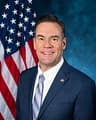 Russ Fulcher
Republican · Idaho
 Scott Franklin
Republican · Florida
 Brad Finstad
Republican · Minnesota
 Maxwell Frost
Democrat · Florida
 Randy Fine
Republican · Florida
 Clay Fuller
Republican · Georgia
 Michael Guest
Republican · Mississippi
 Laura Gillen
Democrat · New York
 Adelita Grijalva
Democrat · Arizona
 James Himes
Democrat · Connecticut
 J. Hill
Republican · Arkansas
 Jahana Hayes
Democrat · Connecticut
 Val Hoyle
Democrat · Oregon
 Pat Harrigan
Republican · North Carolina
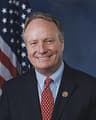 David Joyce
Republican · Ohio
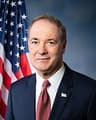 John Joyce
Republican · Pennsylvania
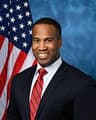 John James
Republican · Michigan
 Mike Kelly
Republican · Pennsylvania
 Robin Kelly
Democrat · Illinois
 Trent Kelly
Republican · Mississippi
 Young Kim
Republican · California
 Sydney Kamlager-Dove
Democrat · California
 Timothy Kennedy
Democrat · New York
 John Larson
Democrat · Connecticut
 Darin LaHood
Republican · Illinois
 Susie Lee
Democrat · Nevada
 Mike Levin
Democrat · California
 Anna Paulina Luna
Republican · Florida
 Michael Lawler
Republican · New York
 Nicholas Langworthy
Republican · New York
 George Latimer
Democrat · New York
 Tracey Mann
Republican · Kansas
 Carol Miller
Republican · West Virginia
 Joseph Morelle
Democrat · New York
 Blake Moore
Republican · Utah
 John Mannion
Democrat · New York
 Sarah McBride
Democrat · Delaware
 Ralph Norman
Republican · South Carolina
 Johnny Olszewski
Democrat · Maryland
 Mark Pocan
Democrat · Wisconsin
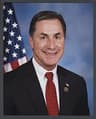 Gary Palmer
Republican · Alabama
 Darren Soto
Democrat · Florida
 Thomas Suozzi
Democrat · New York
 W. Steube
Republican · Florida
 Melanie Stansbury
Democrat · New Mexico
 Andrea Salinas
Democrat · Oregon
 Glenn Thompson
Republican · Pennsylvania
 Rashida Tlaib
Democrat · Michigan
 Gabe Vasquez
Democrat · New Mexico
 Robert Wittman
Republican · Virginia
 Frederica Wilson
Democrat · Florida
 Steve Womack
Republican · Arkansas
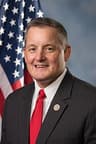 Bruce Westerman
Republican · Arkansas
 James Walkinshaw
Democrat · Virginia
 Rudy Yakym
Republican · Indiana