
A Republican bill with 75 Republican cosponsors · See all 75 cosponsors
Last activity — Placed on the Union Calendar, Calendar No. 783.
Cleared committee, waiting for its first floor vote
A committee approved it and it is on the calendar of the chamber it started in.
This is further than most bills get, and still no promise of a vote: the calendar is a queue, and the majority leadership decides what is called. A bill can sit here until the Congress ends.
Its path through Congress
- Introduced
- On Calendar
What this bill would do
This bill is titled the Heat Workforce Standards Act of 2026. It stops the Secretary of Labor from finalizing, implementing, or enforcing a specific proposed standard. The standard blocked by the bill is titled Heat Injury and Illness Prevention in Outdoor and Indoor Work Settings. That standard was originally published by the Occupational Safety and Health Administration on August 30, 2024. The legislation also prohibits the Secretary of Labor from enacting any substantially similar standard.
Yes
- Scored +5
Would business owners be better off under this?
The bill benefits business owners by preventing the costs associated with complying with new federal heat safety regulations.
- Scored +3
Does this make it easier to run a small business?
The bill reduces regulatory burdens on businesses by preventing the implementation of new heat safety standards.
- Scored +2
Does this leave more decisions to the states?
By blocking a federal mandate, the bill leaves heat safety regulation largely to individual state authority or employer discretion.
The opposite· 3 of 6
- Scored -5
Would union members be better off under this?
The bill removes a specific safety standard that labor unions have sought to protect workers from heat-related illnesses.
- Scored -3
Would households on low incomes be better off under this?
Low-income workers often perform manual labor in outdoor or unconditioned environments that are most affected by heat.
- Scored -3
Would Hispanic Americans be better off under this?
Hispanic Americans are disproportionately represented in outdoor agricultural and construction labor sectors vulnerable to heat.
How the text last changed
Reported in House (11/20/2026), compared with Introduced in House. Each change is on the Text tab.
The newer version of the bill updates the short title of the legislation to reflect the year 2026 instead of 2025. This change applies specifically to Section 1 of the bill. No other changes affecting dates, deadlines, money amounts, or requirements are present in the provided text.
Who it would affect, and how
Potential Positive Impacts for People
- Prevention of Regulation: Under Section 2, the bill stops the Secretary of Labor from finalizing, implementing, or enforcing the proposed standard titled Heat Injury and Illness Prevention in Outdoor and Indoor Work Settings, or any substantially similar standard. This could be viewed positively by those who want to avoid new federal workplace regulations.
Potential Negative Impacts for People
- Halt on Heat Protections: Under Section 2, the legislation blocks the Department of Labor and the Occupational Safety and Health Administration from moving forward with rules aimed at heat injury and illness prevention in indoor and outdoor work settings. This could be seen as a negative outcome for workers who might have benefited from federal heat safety standards.
Groups and Interests Ranking
Every group the model scored this bill for, from -10 to +10. Tap or hover a score for the reason it gave.
- Demographic And Interest Groups
- Would business owners be better off under this? — The bill benefits business owners by preventing the costs associated with complying with new federal heat safety regulations. Would union members be better off under this? — The bill removes a specific safety standard that labor unions have sought to protect workers from heat-related illnesses. Would Hispanic Americans be better off under this? — Hispanic Americans are disproportionately represented in outdoor agricultural and construction labor sectors vulnerable to heat. Would households on low incomes be better off under this? — Low-income workers often perform manual labor in outdoor or unconditioned environments that are most affected by heat. Would people in rural areas be better off under this? — Rural workers in agriculture are highly exposed to heat and lose the protections proposed by the OSHA standard.
- Economy And Finance
- Does this make it easier to run a small business? — The bill reduces regulatory burdens on businesses by preventing the implementation of new heat safety standards.
- Governance And Ideology
- Does this leave more decisions to the states? — By blocking a federal mandate, the bill leaves heat safety regulation largely to individual state authority or employer discretion.
- Healthcare
- Does this make health care easier to get in general? — By preventing heat injury prevention standards, the bill may lead to higher incidences of heat-related health issues among workers.
- Social Issues And Justice
- Is this likely to lift people out of poverty? — The lack of heat protections could negatively impact the health and productivity of low-wage workers.
A committee approved it and sent it to the floor
What changed from Introduced in House
The newer version of the bill updates the short title of the legislation to reflect the year 2026 instead of 2025. This change applies specifically to Section 1 of the bill. No other changes affecting dates, deadlines, money amounts, or requirements are present in the provided text.
Each change
- Section 1: The short title of the Act was updated by changing the year from [-2025'']- to {+2026''+}.
Written by an AI model from a comparison of this version’s text with the one before it, not by a person. .
- 11/20/2026
- Reported (Amended) by the Committee on Education and Workforce. H. Rept. 119-888.
- Placed on the Union Calendar, Calendar No. 783.
- 11/17/2026
- 1 Cosponsor added.
- 10/26/2026
- 2 Cosponsors added.
- 10/22/2026
- 1 Cosponsor added.
- 10/15/2026
- 2 Cosponsors added.
- 9/21/2026
- 1 Cosponsor added.
- 9/3/2026
- 1 Cosponsor added.
- 9/2/2026
- 1 Cosponsor added.
- 8/31/2026
- 2 Cosponsors added.
- 8/20/2026
- 2 Cosponsors added.
- 8/3/2026
- 2 Cosponsors added.
- 7/21/2026
- Committee Consideration and Mark-up Session Held
- Ordered to be Reported (Amended) by the Yeas and Nays: 18 - 15.
- 7/20/2026
- 1 Cosponsor added.
- 7/15/2026
- 1 Cosponsor added.
- 7/14/2026
- 1 Cosponsor added.
- 6/29/2026
- 1 Cosponsor added.
- 6/23/2026
- 3 Cosponsors added.
- 6/10/2026
- 1 Cosponsor added.
- 6/9/2026
- 3 Cosponsors added.
- 6/4/2026
- 1 Cosponsor added.
- 6/2/2026
- 1 Cosponsor added.
- 5/29/2026
- 2 Cosponsors added.
- 5/14/2026
- 2 Cosponsors added.
- 5/13/2026
- 1 Cosponsor added.
- 5/12/2026
- 1 Cosponsor added.
- 4/29/2026
- 1 Cosponsor added.
- 4/28/2026
- 1 Cosponsor added.
- 4/27/2026
- 2 Cosponsors added.
- 4/14/2026
- 1 Cosponsor added.
- 4/9/2026
- 1 Cosponsor added.
- 4/6/2026
- 1 Cosponsor added.
- 3/24/2026
- 2 Cosponsors added.
- 2/3/2026
- 1 Cosponsor added.
- 1/30/2026
- 1 Cosponsor added.
- 1/21/2026
- 1 Cosponsor added.
- 1/6/2026
- 1 Cosponsor added.
- 12/16/2025
- 1 Cosponsor added.
- 12/10/2025
- 1 Cosponsor added.
- 12/2/2025
- 1 Cosponsor added.
- 11/21/2025
- 2 Cosponsors added.
- 11/20/2025
- Referred to the House Committee on Education and Workforce.
- 23 Cosponsors added.
- Introduced in House
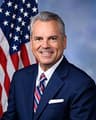 Mark Alford
Republican · Missouri
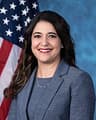 Stephanie Bice
Republican · Oklahoma
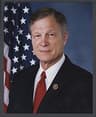 Brian Babin
Republican · Texas
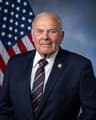 James Baird
Republican · Indiana
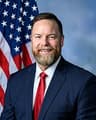 Aaron Bean
Republican · Florida
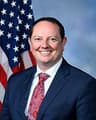 Eric Burlison
Republican · Missouri
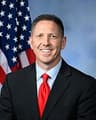 Josh Brecheen
Republican · Oklahoma
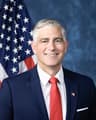 Michael Baumgartner
Republican · Washington
 Sheri Biggs
Republican · South Carolina
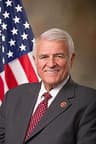 John Carter
Republican · Texas
 Michael Cloud
Republican · Texas
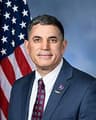 Andrew Clyde
Republican · Georgia
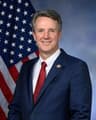 Ben Cline
Republican · Virginia
 Jeff Crank
Republican · Colorado
 Byron Donalds
Republican · Florida
 Monica De La Cruz
Republican · Texas
 Scott DesJarlais
Republican · Tennessee
 Neal Dunn
Republican · Florida
 Virginia Foxx
Republican · North Carolina
 Charles Fleischmann
Republican · Tennessee
 Russ Fulcher
Republican · Idaho
 Michelle Fischbach
Republican · Minnesota
 Scott Franklin
Republican · Florida
 Mike Flood
Republican · Nebraska
 Brad Finstad
Republican · Minnesota
 Julie Fedorchak
Republican · North Dakota
 Randy Fine
Republican · Florida
 Clay Fuller
Republican · Georgia
 Paul Gosar
Republican · Arizona
 H. Griffith
Republican · Virginia
 Glenn Grothman
Republican · Wisconsin
 Lance Gooden
Republican · Texas
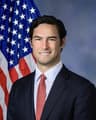 Brandon Gill
Republican · Texas
 Andy Harris
Republican · Maryland
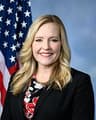 Erin Houchin
Republican · Indiana
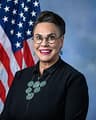 Harriet Hageman
Republican · Wyoming
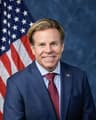 Mike Haridopolos
Republican · Florida
 Pat Harrigan
Republican · North Carolina
 Jim Jordan
Republican · Ohio
 Ronny Jackson
Republican · Texas
 Brian Jack
Republican · Georgia
 David Kustoff
Republican · Tennessee
 Jennifer Kiggans
Republican · Virginia
 Julia Letlow
Republican · Louisiana
 John Moolenaar
Republican · Michigan
 Mary Miller
Republican · Illinois
 Barry Moore
Republican · Alabama
 James Moylan
Republican · Guam
 Tim Moore
Republican · North Carolina
 John McGuire
Republican · Virginia
 Addison McDowell
Republican · North Carolina
 Burgess Owens
Republican · Utah
 Robert Onder
Republican · Missouri
 August Pfluger
Republican · Texas
 Scott Perry
Republican · Pennsylvania
 Jimmy Patronis
Republican · Florida
 David Rouzer
Republican · North Carolina
 John Rutherford
Republican · Florida
 Chip Roy
Republican · Texas
 Michael Rulli
Republican · Ohio
 Michael Simpson
Republican · Idaho
 Adrian Smith
Republican · Nebraska
 Marlin Stutzman
Republican · Indiana
 Jefferson Shreve
Republican · Indiana
 Glenn Thompson
Republican · Pennsylvania
 William Timmons
Republican · South Carolina
 Jefferson Van Drew
Republican · New Jersey
 Derrick Van Orden
Republican · Wisconsin
 Joe Wilson
Republican · South Carolina
 Robert Wittman
Republican · Virginia
 Daniel Webster
Republican · Florida
 Randy Weber
Republican · Texas
 Roger Williams
Republican · Texas
 Bruce Westerman
Republican · Arkansas
 Rudy Yakym
Republican · Indiana