
A Democratic bill with 28 Democratic cosponsors · See all 29 cosponsors
Last activity — Read twice and referred to the Committee on Finance.
In committee
Introduced and handed to a committee in the chamber it started in.
The committee holds it, and most bills are never heard from again. A hearing or a committee vote would be news; silence is the usual outcome, and it kills the bill without anyone voting against it.
Its path through Congress
- Introduced
- In Committee
What this bill would do
This bill, known as the "No Tax Breaks for Union Busting (NTBUB) Act," aims to amend the Internal Revenue Code of 1986. The primary goal is to end the tax subsidy for employers who attempt to influence their workers' decisions regarding labor organizations and collective action. It would prohibit companies from deducting certain expenses used to sway employee opinions on these matters. The act includes specific definitions for labor organization activities and establishes new reporting requirements for taxpayers. Additionally, it introduces penalties for failing to provide required information regarding these expenditures.
Yes· 3 of 6
- Scored +8
Would union members be better off under this?
Union workers benefit from the removal of employer-subsidized efforts to influence their labor organization choices.
- Scored +7
Does this strengthen the rights of workers to organise?
The bill enhances union protections by removing financial incentives for employers to interfere in labor organizing activities.
- Scored +5
Does this raise the taxes companies pay?
The bill increases the effective tax burden on corporations by denying deductions for expenses used to influence labor organization decisions.
The opposite
- Scored -6
Would business owners be better off under this?
Business owners face higher costs due to the loss of tax deductions and new reporting penalties.
Who it would affect, and how
Potential Positive Impacts for People
-
Protection of Worker Agency: The bill seeks to ensure that employees' choices regarding collective bargaining and labor organization representation are made without "taxpayer subsidies of undue outside influence from employers" (Section 2, paragraph 7).
-
Reduced Influence from Employer Spending: By removing the ability to deduct certain expenses, the bill addresses findings that employers spend millions of dollars on outside consultants to sway worker opinions (Section 2, paragraph 6).
-
Accountability for Unfair Labor Practices: The bill includes expenses related to complaints or settlements regarding unfair labor practices under the National Labor Relations Act in the non-deductible category (Section 3, subsection c, paragraph 1, item I, sub-item aa and bb).
Potential Negative Impacts for People
-
Financial Burden on Employers: Companies that attempt to influence employees regarding labor organizations will no longer be able to deduct those expenses, such as wages and administrative costs associated with certain meetings or training (Section 3, subsection c, paragraph 1, item II).
-
Penalties for Reporting Failures: Employers who fail to provide required information on their tax returns regarding these activities may face penalties starting at $10,000 or a product of $1,000 multiplied by the number of full-time equivalent employees (Section 3, subsection d, paragraph 1, item b).
-
Increased Costs for Third-Party Service Providers: Persons conducting activities on behalf of employers will be required to file specific returns containing information about those activities (Section 3, subsection d, paragraph 2, item A).
Groups and Interests Ranking
Every group the model scored this bill for, from -10 to +10. Tap or hover a score for the reason it gave.
- Economy And Finance
- Does this strengthen the rights of workers to organise? — The bill enhances union protections by removing financial incentives for employers to interfere in labor organizing activities. Does this raise the taxes companies pay? — The bill increases the effective tax burden on corporations by denying deductions for expenses used to influence labor organization decisions.
- Governance And Ideology
- Does this give the federal government more power? — The bill expands federal oversight of employer tax deductions and reporting requirements. Does this make what the government does easier for the public to see? — The bill increases transparency by requiring employers to report expenditures related to labor organization activities.
- Demographic And Interest Groups
- Would union members be better off under this? — Union workers benefit from the removal of employer-subsidized efforts to influence their labor organization choices. Would households on low incomes be better off under this? — The bill may benefit low-income workers by reducing employer-funded influence in labor elections. Would business owners be better off under this? — Business owners face higher costs due to the loss of tax deductions and new reporting penalties.
- 4/29/2025
- 1 Cosponsor added.
- 4/10/2025
- 1 Cosponsor added.
- 4/4/2025
- Read twice and referred to the Committee on Finance.
- 27 Cosponsors added.
- Introduced in Senate
One bill Congress.gov lists as related to this one — companions in the other chamber, earlier versions, and bills this one absorbed or was folded into.
 Tammy Baldwin
Democrat · Wisconsin
 Richard Blumenthal
Democrat · Connecticut
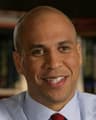 Cory Booker
Democrat · New Jersey
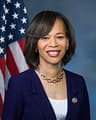 Lisa Blunt Rochester
Democrat · Delaware
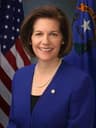 Catherine Cortez Masto
Democrat · Nevada
 Richard Durbin
Democrat · Illinois
 Tammy Duckworth
Democrat · Illinois
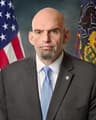 John Fetterman
Democrat · Pennsylvania
 Ruben Gallego
Democrat · Arizona
 Mazie Hirono
Democrat · Hawaii
 Martin Heinrich
Democrat · New Mexico
 Amy Klobuchar
Democrat · Minnesota
 Edward Markey
Democrat · Massachusetts
 Patty Murray
Democrat · Washington
 Christopher Murphy
Democrat · Connecticut
 Jeff Merkley
Democrat · Oregon
 Alex Padilla
Democrat · California
 John Reed
Democrat · Rhode Island
 Jacky Rosen
Democrat · Nevada
 Bernie Sanders
Independent · Vermont
 Adam Schiff
Democrat · California
 Brian Schatz
Democrat · Hawaii
 Tina Smith
Democrat · Minnesota
 Elissa Slotkin
Democrat · Michigan
 Chris Van Hollen
Democrat · Maryland
 Ron Wyden
Democrat · Oregon
 Peter Welch
Democrat · Vermont
 Sheldon Whitehouse
Democrat · Rhode Island
 Elizabeth Warren
Democrat · Massachusetts