Bill · H.R. 10184· House(119-HR-10184)
Consumer Financial Protection Accountability and Reform Act of 2026
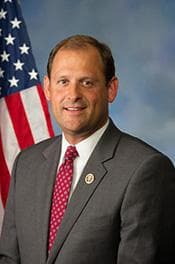
- Introduced
- 8/31/2026
- Last activity
- 9/16/2026 — Ordered to be Reported (Amended) by the Yeas and Nays: 28 - 21.
- Sponsored by
- Andy Barr
- Cosponsors
- - 30 - 0
- Introduced
What this bill would do
This bill makes several major reforms to the Bureau of Consumer Financial Protection and how financial rules are enforced. It puts the Bureau through the regular congressional appropriations process instead of its current funding setup. The legislation adds strict requirements for conducting cost-benefit analyses on new rules and mandates regular reviews of existing regulations by the Office of Management and Budget. It clarifies the legal definitions surrounding abusive financial practices and limits certain enforcement actions. Additionally, the bill introduces safe harbors for small-dollar credit products and sets federal standards for earned wage access services.
Yes· 3 of 5
Would business owners be better off under this?+6
The bill provides several reliefs for small businesses, including safe harbors and reduced regulatory burdens.
Does this make it easier to run a small business?+5
The bill includes several provisions aimed at reducing the regulatory burden on small businesses and entities.
Does this make what the government does easier for the public to see?+4
The bill introduces more rigorous transparency requirements for Bureau rulemaking and cost-benefit analyses.
The opposite
Does this give people more protection from unfair business practices?-4
The bill narrows the definition of 'abusive' acts and introduces more hurdles for consumer complaints, potentially weakening protections.
Does this give the federal government more power?-3
The bill seeks to limit the authority of the Bureau, thereby reducing federal regulatory power in the consumer financial sector.
Would households on low incomes be better off under this?-2
The bill may reduce consumer protections and create more barriers for filing complaints, which could impact low-income consumers.
Who it would affect, and how
Potential Positive Impacts for People
-
Safe Harbor for Small Loans: Section 301 adds Section 115 to the Truth in Lending Act, establishing a safe harbor for small-dollar credit products up to $3,500. This provision protects lenders from certain civil money penalties and private lawsuits if they follow specific terms, like having repayment terms of more than 45 days, which could encourage banks to offer more affordable short-term credit options to everyday folks.
-
Clearer Rules on Earned Wages: Section 304 creates clear ground rules for earned wage access providers, including a requirement to offer a no-cost option to access earned wages within one business day. This section also prohibits providers from charging late fees, reporting unpaid earned wage access transactions to credit bureaus, or using debt collectors against consumers, providing strong consumer protections for workers accessing their pay early.
-
Notice and Opportunity to Fix Mistakes: Section 201 adds a provision allowing covered persons 180 days to cure a self-identified potential unfair, deceptive, or abusive act or practice after receiving written notice. This gives businesses a fair chance to correct mistakes and fix consumer harm without instantly facing harsh administrative or civil penalties.
Potential Negative Impacts for People
-
New Hurdles for Filing Complaints: Section 505 amends the Consumer Financial Protection Act to require consumers submitting a complaint to attest under penalty of perjury that they directly informed the company of the issue at least 60 days before filing the complaint with the Bureau. This extra bureaucratic requirement might make it much harder and more intimidating for ordinary people to get help when they have legitimate disputes with financial institutions.
-
Confidentiality of Complaint Narratives: Section 505 also requires the Bureau to keep narrative content in consumer complaints and company responses strictly confidential and prohibits them from being published publicly. While this protects privacy, it reduces public transparency, making it harder for everyday people to research whether a specific company has a history of shady business practices based on real consumer stories.
Groups and Interests Ranking
Every group the model scored this bill for, from -10 to +10. Hover a score for the reason it gave.
- Governance And Ideology
- Improves Government Transparency+4Improves Privacy Rights+3Improves Due Process+2Increases Federal Power-3
- Demographic And Interest Groups
- Good For Business Owners+6Good For Low Income Households-2
- Economy And Finance
- Improves Small Business Support+5Improves Consumer Protection-4
- 9/16/2026
- Committee Consideration and Mark-up Session Held
- Ordered to be Reported (Amended) by the Yeas and Nays: 28 - 21.
- 1 Cosponsor added.
- 8/31/2026
- Referred to the Committee on Financial Services, and in addition to the Committees on the Judiciary, Small Business, and Oversight and Government Reform, for a period to be subsequently determined by the Speaker, in each case for consideration of such provisions as fall within the jurisdiction of the committee concerned.
- 29 Cosponsors added.
- Introduced in House
4 bills Congress.gov lists as related to this one — companions in the other chamber, earlier versions, and bills this one absorbed or was folded into.
 Ken Calvert
Republican · California
 Byron Donalds
Republican · Florida
 Monica De La Cruz
Republican · Texas
 Warren Davidson
Republican · Ohio
 Troy Downing
Republican · Montana
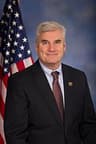 Tom Emmer
Republican · Minnesota
 Scott Fitzgerald
Republican · Wisconsin
 Mike Flood
Republican · Nebraska
 Andrew Garbarino
Republican · New York
 Bill Huizenga
Republican · Michigan
 J. Hill
Republican · Arkansas
 Mike Haridopolos
Republican · Florida
 Young Kim
Republican · California
 Frank Lucas
Republican · Oklahoma
 Barry Loudermilk
Republican · Georgia
 Michael Lawler
Republican · New York
 Lisa McClain
Republican · Michigan
 Daniel Meuser
Republican · Pennsylvania
 Tim Moore
Republican · North Carolina
 Ralph Norman
Republican · South Carolina
 Zachary Nunn
Republican · Iowa
 Andrew Ogles
Republican · Tennessee
 John Rose
Republican · Tennessee
 Maria Salazar
Republican · Florida
 Pete Sessions
Republican · Texas
 Marlin Stutzman
Republican · Indiana
 Bryan Steil
Republican · Wisconsin
 William Timmons
Republican · South Carolina
 Ann Wagner
Republican · Missouri
 Roger Williams
Republican · Texas