
Mazie Hirono (D-HI)
A resolution designating January 30, 2025, as "Fred Korematsu Day of Civil Liberties and the Constitution".
A Democratic resolution with 12 Democratic cosponsors · See all 12 cosponsors
Last activity — Referred to the Committee on the Judiciary. (text: CR S525)
In committee
Introduced and handed to a committee in the chamber it started in.
The committee holds it, and most bills are never heard from again. A hearing or a committee vote would be news; silence is the usual outcome, and it kills the bill without anyone voting against it.
Its path through Congress
- Introduced
- In Committee
A Senate resolution is the Senate speaking for itself: stating a position, honouring someone, or setting its own rules. Adopting it is the whole process. Once the Senate agrees to it, it is officially the Senate's word; it is not a law, so the House and the President have no part in it.
What this bill would do
This resolution designates January 30, 2025, as "Fred Korematsu Day of Civil Liberties and the Constitution." It aims to recognize Fred Korematsu's bravery and resilience regarding his fight against injustice. The resolution highlights Korematsu's legal challenges to Executive Order 9066 and his defense of civil liberties. It serves as a day for national reflection on the importance of justice and equality. By establishing this day, the Senate encourages citizens to reflect on political leadership and civil rights.
Yes· 3 of 4
- Scored +5
Does this protect people from being watched or searched?
The designation emphasizes the preservation of individual civil liberties against government infringement.
- Scored +5
Would Asian Americans be better off under this?
The resolution honors the legacy of Fred Korematsu and the struggle of Japanese Americans against wartime internment.
- Scored +5
Does this narrow racial gaps in how people are treated?
The resolution commemorates a figure who fought against racial discrimination and the forced internment of Japanese Americans.
The opposite
No question was scored the opposite.
Who it would affect, and how
Potential Positive Impacts for People
-
Civic Education: The resolution notes that the democratic character of the American people can be enhanced through opportunities for civic education regarding challenges to the Constitution.
-
National Reflection: The day provides an opportunity for annual national reflection on preserving civil liberties and the principle of equality before the law.
-
Encouragement of Values: The resolution encourages all people to reflect on the importance of political leadership, vigilance, and the values of justice and civil rights during times of uncertainty and emergency. (Resolution Section 3)
Potential Negative Impacts for People
- No specific negative impacts or burdens for individuals or groups are mentioned within the provided text.
Groups and Interests Ranking
Every group the model scored this bill for, from -10 to +10. Tap or hover a score for the reason it gave.
- Governance And Ideology
- Does this protect people from being watched or searched? — The designation emphasizes the preservation of individual civil liberties against government infringement. Does this make what the government does easier for the public to see? — The resolution highlights the importance of national reflection on political leadership and the protection of civil liberties.
- Demographic And Interest Groups
- Would Asian Americans be better off under this? — The resolution honors the legacy of Fred Korematsu and the struggle of Japanese Americans against wartime internment.
- Social Issues And Justice
- Does this narrow racial gaps in how people are treated? — The resolution commemorates a figure who fought against racial discrimination and the forced internment of Japanese Americans.
- 3/4/2025
- 1 Cosponsor added.
- 2/12/2025
- 1 Cosponsor added.
- 1/30/2025
- Referred to the Committee on the Judiciary. (text: CR S525)
- 10 Cosponsors added.
- Introduced in Senate
One bill Congress.gov lists as related to this one — companions in the other chamber, earlier versions, and bills this one absorbed or was folded into.
 Tammy Baldwin
Democrat · Wisconsin
 Richard Blumenthal
Democrat · Connecticut
 Cory Booker
Democrat · New Jersey
 Catherine Cortez Masto
Democrat · Nevada
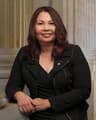 Tammy Duckworth
Democrat · Illinois
 Timothy Kaine
Democrat · Virginia
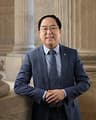 Andy Kim
Democrat · New Jersey
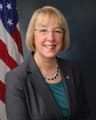 Patty Murray
Democrat · Washington
 Jeff Merkley
Democrat · Oregon
 Alex Padilla
Democrat · California
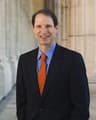 Ron Wyden
Democrat · Oregon
 Sheldon Whitehouse
Democrat · Rhode Island