Bill · S.J.Res. 12· Senate(119-SJRES-12)
A joint resolution providing for congressional disapproval under chapter 8 of title 5, United States Code, of the rule submitted by the Environmental Protection Agency relating to "Waste Emissions Charge for Petroleum and Natural Gas Systems: Procedures for Facilitating Compliance, Including Netting and Exemptions".
- Introduced
- 2/4/2025
- Last activity
- 2/27/2025 — Indefinitely postponed by Senate by Unanimous Consent.
- Sponsored by
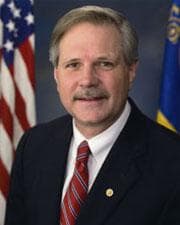
- John Hoeven
- Cosponsors
- - 26 - 0
- Introduced
What this bill would do
This joint resolution aims to overturn a specific rule issued by the Environmental Protection Agency. The targeted rule concerns "Waste Emissions Charge for Petroleum and Natural Gas Systems: Procedures for Facilitating Compliance, Including Netting and Exemptions." If passed, this resolution would declare that the EPA rule has no force or effect. The resolution was introduced by Mr. Hoeven and several other senators. It has been placed on the calendar in the Senate.
Yes· 3 of 6
Would business owners be better off under this?+6
The resolution eliminates a specific regulatory charge targeting petroleum and natural gas system operators.
Would people in rural areas be better off under this?+4
Lowering the regulatory burden on energy systems can help stabilize energy costs in rural areas where fossil fuel reliance is higher.
Would farmers be better off under this?+3
Reducing energy-related regulatory costs may lower input costs for agricultural operations relying on gas and petroleum.
The opposite· 3 of 5
Does this cut the pollution that drives climate change?-8
The resolution stops the EPA from charging for waste emissions, which reduces the financial incentive to limit methane and other greenhouse gases from petroleum systems.
Does this better protect air, water and wildlife?-7
The resolution nullifies a rule designed to regulate and penalize waste emissions from energy production.
Does this raise the taxes companies pay?-7
The resolution prevents the implementation of a waste emissions charge on petroleum and natural gas systems, which would have functioned as a tax on those industries.
What Congress actually voted on
One recorded vote has been taken on this bill.
None of them settled the bill — every vote so far has been about whether to keep going.
Who it would affect, and how
Potential Positive Impacts for People
The provided text does not list specific positive outcomes or benefits for individuals or groups.
Potential Negative Impacts for People
The provided text does not list specific negative consequences or burdens for individuals or groups.
Groups and Interests Ranking
Every group the model scored this bill for, from -10 to +10. Hover a score for the reason it gave.
- Environment Energy And Infrastructure
- Reduces Carbon Emissions-8Improves Environmental Protections-7Reduces Fossil Fuel Production-5
- Demographic And Interest Groups
- Good For Business Owners+6Good For Rural Residents+4Good For Farmers+3Good For High Income Households+2
- Economy And Finance
- Improves Small Business Support+3Increases Corporate Taxes-7Reduces Government Spending-2
- Governance And Ideology
- Increase States Rights+2
- 2/27/2025
- Considered by Senate. (consideration: CR S1413)
- Indefinitely postponed by Senate by Unanimous Consent.
- 2/26/2025
- Motion to proceed to consideration of measure agreed to in Senate by Yea-Nay Vote. 52 - 47. Record Vote Number: 96. (CR S1391)
- Measure laid before Senate by motion. (consideration: CR S1391)
- 2/25/2025
- 1 Cosponsor added.
- 2/20/2025
- Senate Committee on Environment and Public Works discharged, by petition, pursuant to 5 U.S.C. 802(c).
- Placed on Senate Legislative Calendar under General Orders. Calendar No. 14.
- 2/6/2025
- 1 Cosponsor added.
- 2/4/2025
- Read twice and referred to the Committee on Environment and Public Works.
- 24 Cosponsors added.
- Introduced in Senate
One bill Congress.gov lists as related to this one — companions in the other chamber, earlier versions, and bills this one absorbed or was folded into.
 John Barrasso
Republican · Wyoming
 Katie Britt
Republican · Alabama
 Mike Crapo
Republican · Idaho
 Shelley Capito
Republican · West Virginia
 John Cornyn
Republican · Texas
 Kevin Cramer
Republican · North Dakota
 Ted Cruz
Republican · Texas
 Steve Daines
Republican · Montana
 Deb Fischer
Republican · Nebraska
 Cindy Hyde-Smith
Republican · Mississippi
 James Justice
Republican · West Virginia
 John Kennedy
Republican · Louisiana
 Cynthia Lummis
Republican · Wyoming
 James Lankford
Republican · Oklahoma
 Mike Lee
Republican · Utah
 Markwayne Mullin
Republican · Oklahoma
 Roger Marshall
Republican · Kansas
 Rand Paul
Republican · Kentucky
 James Risch
Republican · Idaho
 Mike Rounds
Republican · South Dakota
 Pete Ricketts
Republican · Nebraska
 Rick Scott
Republican · Florida
 Tim Sheehy
Republican · Montana
 Tommy Tuberville
Republican · Alabama
 Thomas Tillis
Republican · North Carolina
 Roger Wicker
Republican · Mississippi