Bill · S. 1352· Senate(119-S-1352)
Public Service Freedom to Negotiate Act of 2025
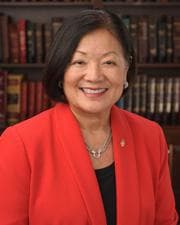
- Introduced
- 4/8/2025
- Last activity
- 4/8/2025 — Read twice and referred to the Committee on Health, Education, Labor, and Pensions.
- Sponsored by
- Mazie Hirono
- Cosponsors
- - 37 - 0
- Introduced
- In Committee
What this bill would do
The Public Service Freedom to Negotiate Act of 2025 aims to secure the rights of public employees to organize, act concertedly, and bargain collectively. The bill establishes federal minimum standards for collective bargaining rights and procedures. A Federal Labor Relations Authority is tasked with determining if State laws already provide these rights and procedures. If a State fails to meet these standards, the Authority will administer the rights and rules directly. The Act also prohibits certain job actions that could disrupt emergency or public safety services.
Who it would affect, and how
Potential Positive Impacts for People
-
Enhanced Collective Bargaining Rights: Public and supervisory employees are granted specific rights to self-organize, join labor organizations, and bargain collectively through chosen representatives (Section 3(b)(1)).
-
Resolution of Disputes: The bill requires an interest impasse resolution mechanism, such as mediation or arbitration, to reach binding resolutions (Section 3(b)(3)).
-
Job Security and Protection: The Act prohibits practices that interfere with, restrain, or coerce employees exercising their guaranteed rights (Section 3(b)(5)).
-
Consistency in Bargaining: Employers are required to recognize chosen labor organizations and must commit any reached agreements to writing in a contract or memorandum of understanding (Section 3(b)(2)).
Potential Negative Impacts for People
-
Restrictions on Job Actions: Employers, emergency services employees, and law enforcement officers are prohibited from engaging in lockouts, strikes, or organized job actions that would reasonably result in a measurable disruption of emergency or public safety services (Section 5(a)).
-
Federal Oversight of State Laws: If the Authority determines a State's laws do not "substantially provide" for the required rights, the Authority will step in to administer rules and activities, which may affect how local labor relations are handled (Section 3(d)).
- 2/4/2026
- 1 Cosponsor added.
- 1/29/2026
- 1 Cosponsor added.
- 4/8/2025
- Read twice and referred to the Committee on Health, Education, Labor, and Pensions.
- 36 Cosponsors added.
- Introduced in Senate
One bill Congress.gov lists as related to this one — companions in the other chamber, earlier versions, and bills this one absorbed or was folded into.
 Angela Alsobrooks
Democrat · Maryland
 Tammy Baldwin
Democrat · Wisconsin
 Richard Blumenthal
Democrat · Connecticut
 Cory Booker
Democrat · New Jersey
 Lisa Blunt Rochester
Democrat · Delaware
 Maria Cantwell
Democrat · Washington
 Christopher Coons
Democrat · Delaware
 Richard Durbin
Democrat · Illinois
 Tammy Duckworth
Democrat · Illinois
 John Fetterman
Democrat · Pennsylvania
 Kirsten Gillibrand
Democrat · New York
 Ruben Gallego
Democrat · Arizona
 John Hickenlooper
Democrat · Colorado
 Martin Heinrich
Democrat · New Mexico
 Amy Klobuchar
Democrat · Minnesota
 Timothy Kaine
Democrat · Virginia
 Andy Kim
Democrat · New Jersey
 Ben Luján
Democrat · New Mexico
 Edward Markey
Democrat · Massachusetts
 Patty Murray
Democrat · Washington
 Christopher Murphy
Democrat · Connecticut
 Jeff Merkley
Democrat · Oregon
 Jon Ossoff
Democrat · Georgia
 Alex Padilla
Democrat · California
 Gary Peters
Democrat · Michigan
 John Reed
Democrat · Rhode Island
 Jacky Rosen
Democrat · Nevada
 Bernie Sanders
Independent · Vermont
 Charles Schumer
Democrat · New York
 Adam Schiff
Democrat · California
 Brian Schatz
Democrat · Hawaii
 Tina Smith
Democrat · Minnesota
 Elissa Slotkin
Democrat · Michigan
 Chris Van Hollen
Democrat · Maryland
 Ron Wyden
Democrat · Oregon
 Peter Welch
Democrat · Vermont
 Sheldon Whitehouse
Democrat · Rhode Island
 Elizabeth Warren
Democrat · Massachusetts