Bill · H.R. 20· House(119-HR-20)
Richard L. Trumka Protecting the Right to Organize Act of 2025
- Introduced
- 3/5/2025
- Last activity
- 3/5/2025 — Referred to the House Committee on Education and Workforce.
- Sponsored by
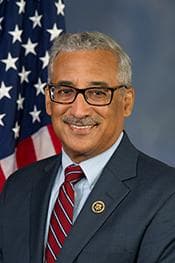
- Robert Scott
- Cosponsors
- - 215 - 2
- Introduced
- In Committee
What this bill would do
H.R. 20, the Richard L. Trumka Protecting the Right to Organize Act of 2025, amends the National Labor Relations Act, the Labor Management Relations Act of 1947, and the Labor-Management Reporting and Disclosure Act of 1959. The bill alters definitions related to employment, including joint employers, independent contractors, and supervisors. It places new restrictions on employer practices during union organizing and collective bargaining, establishes penalties for unfair labor practices, and provides for whistleblower protections. Additionally, the legislation mandates remote electronic voting systems for union representation elections and requires various reports from the Government Accountability Office.
Yes· 3 of 20
Would union members be better off under this?+10
Strongly favors union organization, funding via fair share agreements, and collective bargaining power.
Does this strengthen the rights of workers to organise?+10
The bill significantly expands collective bargaining rights, simplifies union elections, and protects the right to organize.
Would households on low incomes be better off under this?+8
Stronger collective bargaining rights typically lead to higher wages and benefits for low-wage workers.
The opposite· 3 of 9
Would business owners be better off under this?-8
Increases potential liabilities, civil penalties, and limits employer control over labor relations.
Does this make it easier to run a small business?-7
Small businesses face higher compliance costs, stricter joint-employer definitions, and significant civil penalties for unfair labor practices.
Does this leave more decisions to the states?-5
The bill explicitly overrides certain state or territorial laws regarding fair share agreements.
Who it would affect, and how
Potential Positive Impacts for People
-
Enhanced Back Pay and Damages for Discrimination: Section 106 and Section 109 of the bill amend the National Labor Relations Act to require the National Labor Relations Board to award back pay without any reduction based on interim earnings, along with front pay, direct pecuniary harms, and liquidated damages equal to two times the damages awarded when an employer discriminates against or illegally discharges an employee. This provides stronger financial restitution for workers who face unlawful termination or retaliation.
-
Whistleblower Protections: Section 202 adds whistleblower protections to the Labor-Management Reporting and Disclosure Act of 1959, shielding applicants and employees from termination or discrimination when they report violations, testify in proceedings, or refuse to participate in activities they reasonably believe violate the Act. This provision allows workers to report violations without fear of losing their jobs and establishes clear procedures for filing complaints and obtaining relief through the Secretary of Labor.
-
Remote Electronic Voting: Section 301 requires the National Labor Relations Board to implement a system and procedures to conduct representation elections remotely using an internet voting system or a telephone voting system within one year of enactment. This provision makes it easier for employees to participate in union representation elections from any site of their choosing.
-
Fair Share Fee Agreements: Section 111 amends Section 14(b) of the National Labor Relations Act to allow collective bargaining agreements that require all employees in a bargaining unit to contribute fees to a labor organization for representation, collective bargaining, and contract enforcement costs, regardless of any State or Territorial laws. This ensures that all beneficiaries of collective bargaining contribute to the operational costs of representation.
Potential Negative Impacts for People
-
Civil Penalties for Employers and Individuals: Section 109 establishes civil penalties of up to $50,000 for each unfair labor practice violation, which can be doubled to $100,000 for repeat offenses within five years. Furthermore, penalties can be assessed directly against a director or officer of an employer who directed, committed, or had knowledge of and the authority to prevent the violation. This imposes significant financial and personal liability on business operators and management personnel.
-
Restrictions on Employer Communications: Section 104 makes it an unfair labor practice for an employer to require or coerce employees to attend or participate in campaign activities unrelated to their job duties. This limits the ability of employers to conduct mandatory meetings addressing unionization efforts.
Groups and Interests Ranking
Every group the model scored this bill for, from -10 to +10. Hover a score for the reason it gave.
- Demographic And Interest Groups
- Good For Union Workers+10Good For Low Income Households+8Good For Immigrants+7Good For African Americans+4Good For Asian Americans+4Good For Hispanic Americans+4Good For Men+4Good For Middle Aged+4Good For Middle Class Households+4Good For Native Americans+4Good For Urban Residents+4Good For Women+4Good For Young Adults+4Good For Rural Residents+2Good For White Americans+2Good For Business Owners-8Good For Billionaires-2Good For High Income Households-2Good For High Net Worth Individuals-2Good For Ultra High Net Worth Individuals-2
- Governance And Ideology
- Improves Due Process+6Increases Federal Power+5Improves Government Transparency+2Increase States Rights-5Improves Privacy Rights-3
- Economy And Finance
- Improves Union Protections+10Improves Small Business Support-7
- Social Issues And Justice
- Improves Poverty Reduction+3
- Education And Technology
- Improves Data Privacy-2
- 9/14/2026
- 1 Cosponsor added.
- 7/14/2026
- 1 Cosponsor added.
- 4/28/2026
- 1 Cosponsor added.
- 11/20/2025
- 1 Cosponsor added.
- 11/18/2025
- 1 Cosponsor added.
- 9/30/2025
- 1 Cosponsor added.
- 3/24/2025
- 1 Cosponsor added.
- 3/11/2025
- 1 Cosponsor added.
- 3/5/2025
- Referred to the House Committee on Education and Workforce.
- 209 Cosponsors added.
- Introduced in House
One bill Congress.gov lists as related to this one — companions in the other chamber, earlier versions, and bills this one absorbed or was folded into.
 Alma Adams
Democrat · North Carolina
 Pete Aguilar
Democrat · California
 Gabe Amo
Democrat · Rhode Island
 Yassamin Ansari
Democrat · Arizona
 Sanford Bishop
Democrat · Georgia
 Suzanne Bonamici
Democrat · Oregon
 Joyce Beatty
Democrat · Ohio
 Julia Brownley
Democrat · California
 Ami Bera
Democrat · California
 Donald Beyer
Democrat · Virginia
 Brendan Boyle
Democrat · Pennsylvania
 Nanette Barragán
Democrat · California
 Shontel Brown
Democrat · Ohio
 Nikki Budzinski
Democrat · Illinois
 Becca Balint
Democrat · Vermont
 Wesley Bell
Democrat · Missouri
 Janelle Bynum
Democrat · Oregon
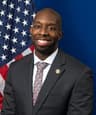 Everton Blair
Democrat · Georgia
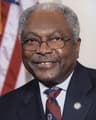 James Clyburn
Democrat · South Carolina
 Ed Case
Democrat · Hawaii
 Jim Costa
Democrat · California
 Emanuel Cleaver
Democrat · Missouri
 Kathy Castor
Democrat · Florida
 Yvette Clarke
Democrat · New York
 Steve Cohen
Democrat · Tennessee
 Joe Courtney
Democrat · Connecticut
 André Carson
Democrat · Indiana
 Gerald Connolly
Democrat · Virginia
 Judy Chu
Democrat · California
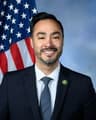 Joaquin Castro
Democrat · Texas
 Katherine Clark
Democrat · Massachusetts
 Salud Carbajal
Democrat · California
 Sean Casten
Democrat · Illinois
 Angie Craig
Democrat · Minnesota
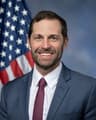 Jason Crow
Democrat · Colorado
 Gilbert Cisneros
Democrat · California
 Troy Carter
Democrat · Louisiana
 Sheila Cherfilus-McCormick
Democrat · Florida
 Jasmine Crockett
Democrat · Texas
 Greg Casar
Democrat · Texas
 Herbert Conaway
Democrat · New Jersey
 Danny Davis
Democrat · Illinois
 Diana DeGette
Democrat · Colorado
 Rosa DeLauro
Democrat · Connecticut
 Donald Davis
Democrat · North Carolina
 Lloyd Doggett
Democrat · Texas
 Christopher Deluzio
Democrat · Pennsylvania
 Suzan DelBene
Democrat · Washington
 Mark DeSaulnier
Democrat · California
 Debbie Dingell
Democrat · Michigan
 Sharice Davids
Democrat · Kansas
 Madeleine Dean
Democrat · Pennsylvania
 Maxine Dexter
Democrat · Oregon
 Dwight Evans
Democrat · Pennsylvania
 Adriano Espaillat
Democrat · New York
 Veronica Escobar
Democrat · Texas
 Sarah Elfreth
Democrat · Maryland
 Bill Foster
Democrat · Illinois
 Lois Frankel
Democrat · Florida
 Brian Fitzpatrick
Republican · Pennsylvania
 Lizzie Fletcher
Democrat · Texas
 Maxwell Frost
Democrat · Florida
 Valerie Foushee
Democrat · North Carolina
 Shomari Figures
Democrat · Alabama
 Laura Friedman
Democrat · California
 Raúl Grijalva
Democrat · Arizona
 Al Green
Democrat · Texas
 John Garamendi
Democrat · California
 Josh Gottheimer
Democrat · New Jersey
 Jimmy Gomez
Democrat · California
 Jesús García
Democrat · Illinois
 Sylvia Garcia
Democrat · Texas
 Jared Golden
Democrat · Maine
 Robert Garcia
Democrat · California
 Daniel Goldman
Democrat · New York
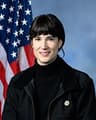 Marie Perez
Democrat · Washington
 Laura Gillen
Democrat · New York
 Maggie Goodlander
Democrat · New Hampshire
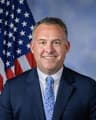 Adam Gray
Democrat · California
 Adelita Grijalva
Democrat · Arizona
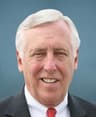 Steny Hoyer
Democrat · Maryland
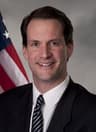 James Himes
Democrat · Connecticut
 Steven Horsford
Democrat · Nevada
 Jared Huffman
Democrat · California
 Jahana Hayes
Democrat · Connecticut
 Chrissy Houlahan
Democrat · Pennsylvania
 Josh Harder
Democrat · California
 Val Hoyle
Democrat · Oregon
 Glenn Ivey
Democrat · Maryland
 Henry Johnson
Democrat · Georgia
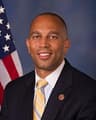 Hakeem Jeffries
Democrat · New York
 Pramila Jayapal
Democrat · Washington
 Sara Jacobs
Democrat · California
 Jonathan Jackson
Democrat · Illinois
 Julie Johnson
Democrat · Texas
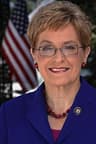 Marcy Kaptur
Democrat · Ohio
 William Keating
Democrat · Massachusetts
 Robin Kelly
Democrat · Illinois
 Ro Khanna
Democrat · California
 Raja Krishnamoorthi
Democrat · Illinois
 Sydney Kamlager-Dove
Democrat · California
 Timothy Kennedy
Democrat · New York
 Teresa Leger Fernandez
Democrat · New Mexico
 Zoe Lofgren
Democrat · California
 John Larson
Democrat · Connecticut
 Rick Larsen
Democrat · Washington
 Stephen Lynch
Democrat · Massachusetts
 Ted Lieu
Democrat · California
 Susie Lee
Democrat · Nevada
 Mike Levin
Democrat · California
 Greg Landsman
Democrat · Ohio
 Summer Lee
Democrat · Pennsylvania
 George Latimer
Democrat · New York
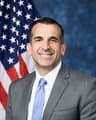 Sam Liccardo
Democrat · California
 James McGovern
Democrat · Massachusetts
 Kweisi Mfume
Democrat · Maryland
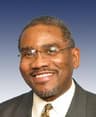 Gregory Meeks
Democrat · New York
 Betty McCollum
Democrat · Minnesota
 Gwen Moore
Democrat · Wisconsin
 Doris Matsui
Democrat · California
 Grace Meng
Democrat · New York
 Seth Moulton
Democrat · Massachusetts
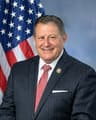 Joseph Morelle
Democrat · New York
 Lucy McBath
Democrat · Georgia
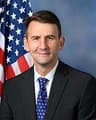 Frank Mrvan
Democrat · Indiana
 Jared Moskowitz
Democrat · Florida
 Morgan McGarvey
Democrat · Kentucky
 Seth Magaziner
Democrat · Rhode Island
 Kevin Mullin
Democrat · California
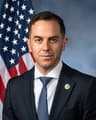 Robert Menendez
Democrat · New Jersey
 Jennifer McClellan
Democrat · Virginia
 LaMonica McIver
Democrat · New Jersey
 John Mannion
Democrat · New York
 April McClain Delaney
Democrat · Maryland
 Kelly Morrison
Democrat · Minnesota
 Kristen McDonald Rivet
Democrat · Michigan
 Sarah McBride
Democrat · Delaware
 Dave Min
Democrat · California
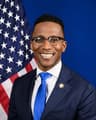 Christian Menefee
Democrat · Texas
 Analilia Mejia
Democrat · New Jersey
 Jerrold Nadler
Democrat · New York
 Richard Neal
Democrat · Massachusetts
 Eleanor Norton
Democrat · District of Columbia
 Donald Norcross
Democrat · New Jersey
 Joe Neguse
Democrat · Colorado
 Alexandria Ocasio-Cortez
Democrat · New York
 Ilhan Omar
Democrat · Minnesota
 Johnny Olszewski
Democrat · Maryland
 Frank Pallone
Democrat · New Jersey
 Nancy Pelosi
Democrat · California
 Chellie Pingree
Democrat · Maine
 Mark Pocan
Democrat · Wisconsin
 Scott Peters
Democrat · California
 Stacey Plaskett
Democrat · Virgin Islands
 Jimmy Panetta
Democrat · California
 Chris Pappas
Democrat · New Hampshire
 Ayanna Pressley
Democrat · Massachusetts
 Brittany Pettersen
Democrat · Colorado
 Nellie Pou
Democrat · New Jersey
 Mike Quigley
Democrat · Illinois
 Deborah Ross
Democrat · North Carolina
 Patrick Ryan
Democrat · New York
 Raul Ruiz
Democrat · California
 Jamie Raskin
Democrat · Maryland
 Delia Ramirez
Democrat · Illinois
 Luz Rivas
Democrat · California
 Emily Randall
Democrat · Washington
 Josh Riley
Democrat · New York
 Brad Sherman
Democrat · California
 Adam Smith
Democrat · Washington
 Christopher Smith
Republican · New Jersey
 Janice Schakowsky
Democrat · Illinois
 Linda Sánchez
Democrat · California
 David Scott
Democrat · Georgia
 Marilyn Strickland
Democrat · Washington
 Terri Sewell
Democrat · Alabama
 Bradley Schneider
Democrat · Illinois
 Eric Swalwell
Democrat · California
 Darren Soto
Democrat · Florida
 Thomas Suozzi
Democrat · New York
 Mary Gay Scanlon
Democrat · Pennsylvania
 Mikie Sherrill
Democrat · New Jersey
 Greg Stanton
Democrat · Arizona
 Haley Stevens
Democrat · Michigan
 Kim Schrier
Democrat · Washington
 Melanie Stansbury
Democrat · New Mexico
 Hillary Scholten
Democrat · Michigan
 Emilia Sykes
Democrat · Ohio
 Eric Sorensen
Democrat · Illinois
 Andrea Salinas
Democrat · Oregon
 Suhas Subramanyam
Democrat · Virginia
 Lateefah Simon
Democrat · California
 Bennie Thompson
Democrat · Mississippi
 Mike Thompson
Democrat · California
 Dina Titus
Democrat · Nevada
 Paul Tonko
Democrat · New York
 Mark Takano
Democrat · California
 Norma Torres
Democrat · California
 Rashida Tlaib
Democrat · Michigan
 Lori Trahan
Democrat · Massachusetts
 Ritchie Torres
Democrat · New York
 Jill Tokuda
Democrat · Hawaii
 Shri Thanedar
Democrat · Michigan
 Derek Tran
Democrat · California
 Lauren Underwood
Democrat · Illinois
 Nydia Velázquez
Democrat · New York
 Juan Vargas
Democrat · California
 Marc Veasey
Democrat · Texas
 Gabe Vasquez
Democrat · New Mexico
 Eugene Vindman
Democrat · Virginia
 Maxine Waters
Democrat · California
 Nikema Williams
Democrat · Georgia
 Debbie Wasserman Schultz
Democrat · Florida
 Frederica Wilson
Democrat · Florida
 Bonnie Watson Coleman
Democrat · New Jersey
 George Whitesides
Democrat · California
 James Walkinshaw
Democrat · Virginia