
Andrew Clyde (R-GA)
To repeal the Impoundment Control Act of 1974.
A Republican bill with 25 Republican cosponsors · See all 25 cosponsors
Last activity — Referred to the Committee on the Budget, and in addition to the Committee on Rules, for a period to be subsequently determined by the Speaker, in each case for consideration of such provisions as fall within the jurisdiction of the committee concerned.
In committee
Introduced and handed to a committee in the chamber it started in.
The committee holds it, and most bills are never heard from again. A hearing or a committee vote would be news; silence is the usual outcome, and it kills the bill without anyone voting against it.
Its path through Congress
- Introduced
- In Committee
What this bill would do
This bill proposes to repeal the Impoundment Control Act of 1974. It targets the existing law located at 2 U.S.C. 681 et seq. The legislation was introduced in the House of Representatives on February 11, 2025.
Yes
- Scored +7
Does this give the federal government more power?
Repealing this act increases the power of the President to withhold funds that have been appropriated by Congress.
The opposite
- Scored -6
Does this make what the government does easier for the public to see?
The repeal reduces the formal reporting requirements and Congressional oversight required when the executive branch refuses to spend appropriated funds.
- Scored -5
Does this reduce what the federal government spends?
Repealing the Impoundment Control Act allows the executive branch to withhold funds more easily, which can lead to unpredictable shifts in government spending levels.
- Scored -5
Does this make the government pay for what it commits to?
The repeal removes statutory constraints on how the executive branch manages appropriated funds, potentially reducing budget oversight.
Who it would affect, and how
Potential Positive Impacts for People
- There are no specific positive impacts or benefits for individuals or groups of people listed within the provided text.
Potential Negative Impacts for People
- There are no specific negative impacts or burdens for individuals or groups of people listed within the provided text.
Groups and Interests Ranking
Every group the model scored this bill for, from -10 to +10. Tap or hover a score for the reason it gave.
- Economy And Finance
- Does this make the government pay for what it commits to? — The repeal removes statutory constraints on how the executive branch manages appropriated funds, potentially reducing budget oversight. Does this reduce what the federal government spends? — Repealing the Impoundment Control Act allows the executive branch to withhold funds more easily, which can lead to unpredictable shifts in government spending levels.
- Governance And Ideology
- Does this give the federal government more power? — Repealing this act increases the power of the President to withhold funds that have been appropriated by Congress. Does this make what the government does easier for the public to see? — The repeal reduces the formal reporting requirements and Congressional oversight required when the executive branch refuses to spend appropriated funds.
- 2/11/2025
- Referred to the Committee on the Budget, and in addition to the Committee on Rules, for a period to be subsequently determined by the Speaker, in each case for consideration of such provisions as fall within the jurisdiction of the committee concerned.
- 25 Cosponsors added.
- Introduced in House
One bill Congress.gov lists as related to this one — companions in the other chamber, earlier versions, and bills this one absorbed or was folded into.
 Mark Amodei
Republican · Nevada
 Lauren Boebert
Republican · Colorado
 Andy Biggs
Republican · Arizona
 Tim Burchett
Republican · Tennessee
 Eric Burlison
Republican · Missouri
 Ben Cline
Republican · Virginia
 Elijah Crane
Republican · Arizona
 Byron Donalds
Republican · Florida
 Paul Gosar
Republican · Arizona
 Marjorie Greene
Republican · Georgia
 Brandon Gill
Republican · Texas
 Andy Harris
Republican · Maryland
 Clay Higgins
Republican · Louisiana
 Wesley Hunt
Republican · Texas
 Mark Harris
Republican · North Carolina
 Mary Miller
Republican · Illinois
 Barry Moore
Republican · Alabama
 Cory Mills
Republican · Florida
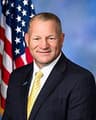 Troy Nehls
Republican · Texas
 Chip Roy
Republican · Texas
 Victoria Spartz
Republican · Indiana
 W. Steube
Republican · Florida
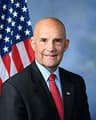 Keith Self
Republican · Texas
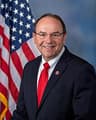 Thomas Tiffany
Republican · Wisconsin
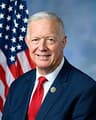 Randy Weber
Republican · Texas