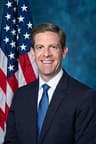
A Democratic bill with 4 Republican cosponsors · See all 6 cosponsors
Last activity — Referred to the House Committee on Energy and Commerce.
In committee
Introduced and handed to a committee in the chamber it started in.
The committee holds it, and most bills are never heard from again. A hearing or a committee vote would be news; silence is the usual outcome, and it kills the bill without anyone voting against it.
Its path through Congress
- Introduced
- In Committee
What this bill would do
This bill, known as the "Spent Fuel Prioritization Act of 2025," aims to amend the Nuclear Waste Policy Act of 1982. It seeks to change how the Secretary determines the order for accepting high-level radioactive waste or spent nuclear fuel for disposal or storage. The bill instructs the Secretary to prioritize waste coming from specific civilian nuclear power reactors. Priority is based on factors like the operating status of the reactor and the characteristics of its location. These characteristics include population size, earthquake hazards, and national security risks.
Yes
- Scored +5
Does this better protect air, water and wildlife?
The bill enhances environmental safety by prioritizing the removal of waste from earthquake-prone and densely populated areas.
- Scored +3
Would people in cities be better off under this?
The bill prioritizes moving waste away from high-population areas, which benefits urban residents.
- Scored +1
Is this likely to lift people out of poverty?
The bill's focus on waste removal may marginally improve long-term environmental safety for communities.
The opposite
No question was scored the opposite.
Who it would affect, and how
Potential Positive Impacts for People
-
Prioritizing Decommissioned Facilities: The bill gives highest priority to reactors that are decommissioned or decommissioning, which addresses the removal of waste from closed plants (Section 2, subsection A).
-
Addressing Population Density: By prioritizing waste from areas with the largest populations, the bill aims to move waste away from more densely populated regions (Section 2, subsection B).
-
Reducing Earthquake Risks: The bill instructs the Secretary to prioritize waste located in areas with the highest hazard of an earthquake according to USGS maps (Section 2, subsection C).
-
Enhancing National Security: The bill prioritizes the removal of waste from areas where continued storage poses a significant national security concern, as determined by the Secretary in consultation with the Secretary of Defense and the Secretary of Homeland Security (Section 2, subsection D).
Potential Negative Impacts for People
- No specific negative impacts or burdens are explicitly mentioned in the provided text.
Groups and Interests Ranking
Every group the model scored this bill for, from -10 to +10. Tap or hover a score for the reason it gave.
- Environment Energy And Infrastructure
- Does this better protect air, water and wildlife? — The bill enhances environmental safety by prioritizing the removal of waste from earthquake-prone and densely populated areas.
- Demographic And Interest Groups
- Would people in cities be better off under this? — The bill prioritizes moving waste away from high-population areas, which benefits urban residents.
- Social Issues And Justice
- Is this likely to lift people out of poverty? — The bill's focus on waste removal may marginally improve long-term environmental safety for communities.
- 7/29/2025
- 1 Cosponsor added.
- 2/5/2025
- Referred to the House Committee on Energy and Commerce.
- 5 Cosponsors added.
- Introduced in House
2 bills Congress.gov lists as related to this one — companions in the other chamber, earlier versions, and bills this one absorbed or was folded into.
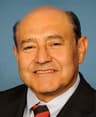 J. Correa
Democrat · California
 Brian Fitzpatrick
Republican · Pennsylvania
 Darrell Issa
Republican · California
 Young Kim
Republican · California
 Michael Lawler
Republican · New York
 Scott Peters
Democrat · California