Bill · S.Res. 601· Senate(119-SRES-601)
A resolution designating the week beginning February 2, 2026, as "National Tribal Colleges and Universities Week".
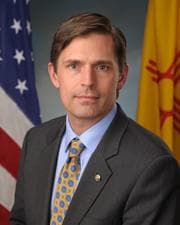
- Introduced
- 2/5/2026
- Last activity
- 2/5/2026 — Submitted in the Senate, considered, and agreed to without amendment and with a preamble by Unanimous Consent. (consideration: CR S518; text: CR S515)
- Sponsored by
- Martin Heinrich
- Cosponsors
- - 16 - 8
- Introduced
- Officially Recorded
- Adopted by the Senate
A Senate resolution is the Senate speaking for itself: stating a position, honouring someone, or setting its own rules. Adopting it is the whole process. Once the Senate agrees to it, it is officially the Senate's word; it is not a law, so the House and the President have no part in it.
What this bill would do
This resolution designates the week starting February 2, 2026, as "National Tribal Colleges and Universities Week." It recognizes that there are 35 Tribal Colleges and Universities operating across more than 90 campuses in 16 States. These institutions serve students from over 250 federally recognized Indian Tribes and offer access to knowledge grounded in cultural traditions. The resolution notes the economic contributions of these institutions and their role in preparing students for the workforce. Finally, it calls on the public and interested groups to observe this week with appropriate activities and programs.
Yes· 3 of 8
Would Native Americans be better off under this?+3
The resolution provides national recognition for institutions serving American Indians and Alaska Natives.
Would students be better off under this?+2
The resolution recognizes the role of these institutions in providing high-quality postsecondary educational opportunities.
Does this narrow racial gaps in how people are treated?+2
The designation recognizes institutions that serve and enhance Indian communities through culturally grounded education.
The opposite
No question was scored the opposite.
Who it would affect, and how
Potential Positive Impacts for People
-
National Recognition of Institutions: The designation of a specific week provides national recognition for the collective mission and achievements of Tribal Colleges and Universities (Resolution, Section 1).
-
Community and National Enrichment: The text notes that access to knowledge and skills grounded in cultural traditions and Native languages enhances Indian communities and enriches the United States as a Nation (Whereas clauses).
-
Educational Access: These institutions provide high-quality postsecondary educational opportunities for American Indians, Alaska Natives, and individuals living in isolated or economically depressed areas (Whereas clauses).
-
Economic and Workforce Benefits: The resolution highlights that these colleges prepare students for the global workforce and that alumni contributed $3.8 billion to the national economy in fiscal year 2023 (Whereas clauses).
Potential Negative Impacts for People
- No negative impacts are explicitly mentioned in the text.
Groups and Interests Ranking
Every group the model scored this bill for, from -10 to +10. Hover a score for the reason it gave.
- Demographic And Interest Groups
- Good For Native Americans+3Good For Students+2Good For Low Income Households+1Good For Rural Residents+1Good For Young Adults+1
- Social Issues And Justice
- Improves Racial Equity+2
- Economy And Finance
- Increases Job Creation+1
- Education And Technology
- Improves College Affordability+1
- 2/5/2026
- Passed/agreed to in Senate: Submitted in the Senate, considered, and agreed to without amendment and with a preamble by Unanimous Consent.
- Submitted in the Senate, considered, and agreed to without amendment and with a preamble by Unanimous Consent. (consideration: CR S518; text: CR S515)
- 25 Cosponsors added.
- Bill introduced.
One bill Congress.gov lists as related to this one — companions in the other chamber, earlier versions, and bills this one absorbed or was folded into.
 Tammy Baldwin
Democrat · Wisconsin
 John Barrasso
Republican · Wyoming
 Michael Bennet
Democrat · Colorado
 Maria Cantwell
Democrat · Washington
 Kevin Cramer
Republican · North Dakota
 Richard Durbin
Democrat · Illinois
 Steve Daines
Republican · Montana
 Deb Fischer
Republican · Nebraska
 Ruben Gallego
Democrat · Arizona
 Mazie Hirono
Democrat · Hawaii
 John Hoeven
Republican · North Dakota
 Amy Klobuchar
Democrat · Minnesota
 Mark Kelly
Democrat · Arizona
 Ben Luján
Democrat · New Mexico
 James Lankford
Republican · Oklahoma
 Patty Murray
Democrat · Washington
 Alex Padilla
Democrat · California
 Gary Peters
Democrat · Michigan
 Mike Rounds
Republican · South Dakota
 Jacky Rosen
Democrat · Nevada
 Bernie Sanders
Independent · Vermont
 Brian Schatz
Democrat · Hawaii
 Tina Smith
Democrat · Minnesota
 Tim Sheehy
Republican · Montana
 Elizabeth Warren
Democrat · Massachusetts