Bill · S.Res. 464· Senate(119-SRES-464)
A resolution designating September 2025 as "National Cholesterol Education Month" and September 30, 2025, as "LDL-C Awareness Day".
- Introduced
- 10/23/2025
- Last activity
- 10/23/2025 — Submitted in the Senate, considered, and agreed to without amendment and with a preamble by Unanimous Consent. (consideration: CR S7735; text: CR S7732-7733)
- Sponsored by
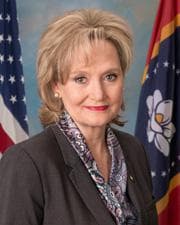
- Cindy Hyde-Smith
- Cosponsors
- - 3 - 2
- Introduced
- Officially Recorded
- Adopted by the Senate
A Senate resolution is the Senate speaking for itself: stating a position, honouring someone, or setting its own rules. Adopting it is the whole process. Once the Senate agrees to it, it is officially the Senate's word; it is not a law, so the House and the President have no part in it.
What this bill would do
S. Res. 464 designates September 2025 as "National Cholesterol Education Month" and September 30, 2025, as "LDL-C Awareness Day." The resolution encourages people in the United States to know their low density lipoprotein cholesterol (LDL-C) number. It recognizes the urgent need to screen and treat elevated LDL-C to lower the risk of heart attacks, strokes, and cardiovascular disease.
Yes· 3 of 18
Would people in middle age be better off under this?+5
Focuses on a critical age group for cardiovascular screening and LDL-C management.
Would people over 65 be better off under this?+5
Directly addresses the leading cause of death for seniors through awareness and screening.
Would Black Americans be better off under this?+5
Explicitly recognizes and aims to address higher prevalence and lower screening rates for African-Americans.
The opposite
No question was scored the opposite.
Who it would affect, and how
Potential Positive Impacts for People
-
Increased Health Awareness: By designating September 2025 as "National Cholesterol Education Month" and September 30, 2025, as "LDL-C Awareness Day," the resolution aims to raise awareness about cardiovascular disease and the importance of knowing LDL-C numbers. (Resolved sections 2 and 3)
-
Risk Reduction: The resolution recognizes that screening and treating elevated LDL-C is urgently needed to reduce the risk of cardiovascular events, including strokes and heart attacks. (Resolved section 4)
-
Individual Proactivity: The resolution encourages all individuals in the United States to find out their LDL-C number, which is a modifiable risk factor for cardiovascular disease. (Resolved section 1)
Potential Negative Impacts for People
- No negative impacts for individuals or groups are mentioned in the provided text.
Groups and Interests Ranking
Every group the model scored this bill for, from -10 to +10. Hover a score for the reason it gave.
- Demographic And Interest Groups
- Good For African Americans+5Good For Middle Aged+5Good For Retirees+5Good For Rural Residents+5Good For Seniors+5Good For Men+3Good For Women+3Good For Asian Americans+2Good For High Income Households+2Good For Hispanic Americans+2Good For Low Income Households+2Good For Middle Class Households+2Good For Native Americans+2Good For Urban Residents+2Good For White Americans+2Good For Young Adults+2
- Healthcare
- Improves Healthcare Access+3
- Social Issues And Justice
- Improves Racial Equity+2
- 10/23/2025
- Passed/agreed to in Senate: Submitted in the Senate, considered, and agreed to without amendment and with a preamble by Unanimous Consent.
- Submitted in the Senate, considered, and agreed to without amendment and with a preamble by Unanimous Consent. (consideration: CR S7735; text: CR S7732-7733)
- 5 Cosponsors added.
- Introduced in Senate
One bill Congress.gov lists as related to this one — companions in the other chamber, earlier versions, and bills this one absorbed or was folded into.
 John Boozman
Republican · Arkansas
 Steve Daines
Republican · Montana
 Roger Marshall
Republican · Kansas
 Alex Padilla
Democrat · California
 Gary Peters
Democrat · Michigan