
A Republican bill with 10 Republican cosponsors · See all 10 cosponsors
Last activity — Read twice and referred to the Committee on the Judiciary.
In committee
Introduced and handed to a committee in the chamber it started in.
The committee holds it, and most bills are never heard from again. A hearing or a committee vote would be news; silence is the usual outcome, and it kills the bill without anyone voting against it.
Its path through Congress
- Introduced
- In Committee
What this bill would do
This bill, titled the "No Bailout for Sanctuary Cities Act," aims to target sanctuary jurisdictions. It defines a sanctuary jurisdiction as a State or political subdivision that restricts government entities from exchanging immigration status information or complying with certain requests from the Secretary of Homeland Security. Under this Act, such jurisdictions would become ineligible to receive Federal funds intended to benefit aliens present in the United States without lawful status. This includes funds used for food, shelter, healthcare, legal services, and transportation. The Secretary of Homeland Security is also required to submit annual reports regarding noncompliance.
Yes
- Scored +3
Does this tighten control of the border?
The bill seeks to increase cooperation between local jurisdictions and federal immigration authorities by penalizing non-compliance.
The opposite· 3 of 5
- Scored -7
Would immigrants be better off under this?
The bill directly targets the loss of essential services like healthcare, food, and legal services for undocumented immigrants in sanctuary cities.
- Scored -5
Does this make health care easier to get in general?
The bill limits the availability of federal funds used to provide healthcare services to undocumented immigrants in sanctuary jurisdictions.
- Scored -4
Would households on low incomes be better off under this?
The bill restricts federal funding meant for basic necessities like food and shelter for low-income undocumented immigrants.
Who it would affect, and how
Potential Positive Impacts for People
-
Targeting of Funds: The bill makes sanctuary jurisdictions ineligible to receive Federal funds intended to benefit aliens who are present in the United States without lawful status (Section 3). This could impact the provision of food, shelter, healthcare services, legal services, and transportation.
-
Protections for Victims and Witnesses: A State or political subdivision is not considered a sanctuary jurisdiction if its officials refuse to share information or comply with detainer requests for individuals who come forward as a victim of or a witness to a criminal offense (Section 2(b)).
Potential Negative Impacts for People
-
Loss of Benefits for Aliens without Lawful Status: Sanctuary jurisdictions would be ineligible to receive Federal funds intended for the benefit of aliens present without lawful status (Section 3). This specifically mentions the provision of food, shelter, healthcare services, legal services, and transportation.
-
Financial Impact on Jurisdictions: Jurisdictions identified as sanctuary jurisdictions would lose access to specific Federal funds (Section 3). This loss would trigger 60 days after enactment or on the first day of the following fiscal year.
Groups and Interests Ranking
Every group the model scored this bill for, from -10 to +10. Tap or hover a score for the reason it gave.
- Demographic And Interest Groups
- Would immigrants be better off under this? — The bill directly targets the loss of essential services like healthcare, food, and legal services for undocumented immigrants in sanctuary cities. Would households on low incomes be better off under this? — The bill restricts federal funding meant for basic necessities like food and shelter for low-income undocumented immigrants.
- Healthcare
- Does this make health care easier to get in general? — The bill limits the availability of federal funds used to provide healthcare services to undocumented immigrants in sanctuary jurisdictions.
- Economy And Finance
- Does this reduce what the federal government spends? — The bill reduces federal spending by making certain jurisdictions ineligible for specific funds intended for undocumented immigrants.
- Social Issues And Justice
- Does this tighten control of the border? — The bill seeks to increase cooperation between local jurisdictions and federal immigration authorities by penalizing non-compliance. Is this likely to lift people out of poverty? — The bill reduces the flow of federal funds intended for food and shelter which are critical for poverty alleviation among undocumented populations.
- 2/26/2025
- 2 Cosponsors added.
- 2/25/2025
- Read twice and referred to the Committee on the Judiciary.
- 8 Cosponsors added.
- Introduced in Senate
 Jim Banks
Republican · Indiana
 Mike Crapo
Republican · Idaho
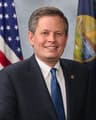 Steve Daines
Republican · Montana
 Cindy Hyde-Smith
Republican · Mississippi
 Cynthia Lummis
Republican · Wyoming
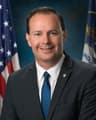 Mike Lee
Republican · Utah
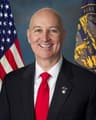 Pete Ricketts
Republican · Nebraska
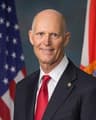 Rick Scott
Republican · Florida
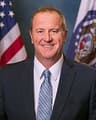 Eric Schmitt
Republican · Missouri
 Tim Sheehy
Republican · Montana