Bill · S. 4134· Senate(119-S-4134)
Stop Insider Trading Act
- Introduced
- 3/18/2026
- Last activity
- 3/18/2026 — Read twice and referred to the Committee on Homeland Security and Governmental Affairs.
- Sponsored by
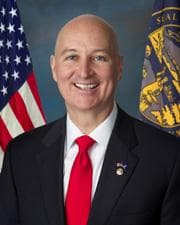
- Pete Ricketts
- Cosponsors
- - 16 - 0
- Introduced
- In Committee
What this bill would do
The "Stop Insider Trading Act" restricts Members of Congress, their spouses, and dependent children from purchasing covered investments, such as stocks in publicly traded companies. If they wish to sell these investments, they must provide public notice between 7 and 14 days before the sale. There are exceptions for certain funds, small businesses, specific trusts, and employer-based compensation. Violators face fees and must sell any illegally purchased investments. These fees cannot be paid using official office funds or campaign contributions.
Yes
Does this make what the government does easier for the public to see?+8
Mandates public disclosure of stock sales by Members of Congress and their families.
Does this make the government pay for what it commits to?+2
Increases government revenue via fines for insider trading violations deposited into the Treasury.
The opposite
Does this protect people from being watched or searched?-2
Requires public disclosure of financial transactions for spouses and children of Members of Congress.
Who it would affect, and how
Potential Positive Impacts for People
-
Increased Accountability: By requiring public notice 7 to 14 days before a sale of a covered investment, the bill provides transparency into the financial actions of Members of Congress, their spouses, and dependent children (Sec. 13152(b)).
-
Prevention of Insider Trading: The bill generally prohibits covered individuals from purchasing covered investments, which may reduce the ability of officials to profit from non-public information (Sec. 13152(a)).
-
Financial Penalties for Violations: The bill ensures that those who break these rules pay a fee of at least $2,000 or 10 percent of the transaction value, plus any net gains realized, which is then deposited into the Treasury's general fund (Sec. 13153(a), (b), (d)).
-
Strict Payment Rules: Members of Congress are barred from using taxpayer-funded office accounts or campaign donations to pay their violation fees, ensuring the financial burden falls on the individual (Sec. 13153(c)).
Potential Negative Impacts for People
- Restrictions on Family Members: The rules extend to spouses and dependent children, meaning the financial activities of a Member's family are restricted and subjected to public disclosure requirements (Sec. 13151(1)).
Groups and Interests Ranking
Every group the model scored this bill for, from -10 to +10. Hover a score for the reason it gave.
- Governance And Ideology
- Improves Government Transparency+8Improves Privacy Rights-2
- Economy And Finance
- Improves Fiscal Responsibility+2
- 9/30/2026
- 1 Cosponsor added.
- 9/14/2026
- 1 Cosponsor added.
- 4/2/2026
- 7 Cosponsors added.
- 3/24/2026
- 1 Cosponsor added.
- 3/18/2026
- Read twice and referred to the Committee on Homeland Security and Governmental Affairs.
- 6 Cosponsors added.
- Introduced in Senate
One bill Congress.gov lists as related to this one — companions in the other chamber, earlier versions, and bills this one absorbed or was folded into.
 Katie Britt
Republican · Alabama
 John Cornyn
Republican · Texas
 Bill Cassidy
Republican · Louisiana
 Kevin Cramer
Republican · North Dakota
 Steve Daines
Republican · Montana
 Deb Fischer
Republican · Nebraska
 Chuck Grassley
Republican · Iowa
 John Hoeven
Republican · North Dakota
 Jon Husted
Republican · Ohio
 Cynthia Lummis
Republican · Wyoming
 Roger Marshall
Republican · Kansas
 David McCormick
Republican · Pennsylvania
 James Risch
Republican · Idaho
 Dan Sullivan
Republican · Alaska
 Rick Scott
Republican · Florida
 Todd Young
Republican · Indiana