
A Republican bill with 4 Democratic cosponsors · See all 4 cosponsors
Last activity — Read twice and referred to the Committee on Health, Education, Labor, and Pensions.
In committee
Introduced and handed to a committee in the chamber it started in.
The committee holds it, and most bills are never heard from again. A hearing or a committee vote would be news; silence is the usual outcome, and it kills the bill without anyone voting against it.
Its path through Congress
- Introduced
- In Committee
What this bill would do
This bill, titled the Student Loan Tax Elimination Act, seeks to change the Higher Education Act of 1965. The primary goal is to eliminate origination fees on Federal Direct loans. This would involve repealing subsection (c) of section 455 of the Higher Education Act. The change would apply to loans where the first disbursement of principal occurs on or after July 1 following the bill's enactment. It also applies to Federal Direct Consolidation Loan applications received after that same date.
Yes· 3 of 6
- Scored +5
Would people in their twenties and thirties be better off under this?
Eliminating loan origination fees provides direct financial relief to young adults pursuing higher education.
- Scored +5
Would households on low incomes be better off under this?
Reducing the upfront costs of student loans benefits low-income households by making education more affordable.
- Scored +5
Would middle-income households be better off under this?
The elimination of origination fees reduces the total cost of borrowing for middle-income families paying for college.
The opposite
No question was scored the opposite.
Who it would affect, and how
Potential Positive Impacts for People
- Elimination of fees: By repealing the origination fees found in subsection (c) of section 455 of the Higher Education Act of 1965, students will no longer have to pay these specific upfront costs on Federal Direct loans (Section 2(a)).
Potential Negative Impacts for People
- No negative impacts are mentioned: The provided text does not list any negative consequences or burdens resulting from the proposed changes (Section 2).
Groups and Interests Ranking
Every group the model scored this bill for, from -10 to +10. Tap or hover a score for the reason it gave.
- Demographic And Interest Groups
- Would households on low incomes be better off under this? — Reducing the upfront costs of student loans benefits low-income households by making education more affordable. Would middle-income households be better off under this? — The elimination of origination fees reduces the total cost of borrowing for middle-income families paying for college. Would people with disabilities be better off under this? — Lowering the cost of student loans through fee elimination provides financial relief to students with disabilities. Would students be better off under this? — Students benefit from not having to pay the origination fees typically charged on Federal Direct loans. Would people in their twenties and thirties be better off under this? — Eliminating loan origination fees provides direct financial relief to young adults pursuing higher education.
- Education And Technology
- Does this reduce what student borrowers owe or repay? — The bill eliminates origination fees on Federal Direct loans, reducing the upfront cost of borrowing for students.
- 5/20/2026
- 1 Cosponsor added.
- 12/17/2025
- Read twice and referred to the Committee on Health, Education, Labor, and Pensions.
- 3 Cosponsors added.
- Introduced in Senate
One bill Congress.gov lists as related to this one — companions in the other chamber, earlier versions, and bills this one absorbed or was folded into.
 Tammy Baldwin
Democrat · Wisconsin
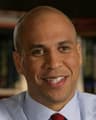 Cory Booker
Democrat · New Jersey
 Timothy Kaine
Democrat · Virginia
 Chris Van Hollen
Democrat · Maryland