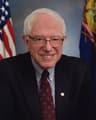
Bernie Sanders (I-VT)
Keep Billionaires Out of Social Security Act
A bill from an independent · See all 30 cosponsors
Last activity — Read twice and referred to the Committee on Finance.
In committee
Introduced and handed to a committee in the chamber it started in.
The committee holds it, and most bills are never heard from again. A hearing or a committee vote would be news; silence is the usual outcome, and it kills the bill without anyone voting against it.
Its path through Congress
- Introduced
- In Committee
What this bill would do
This legislation, titled the Keep Billionaires Out of Social Security Act, aims to protect and fund the operations of the Social Security Administration. It blocks the Department of Government Efficiency (DOGE) and specific executive orders from having jurisdiction over Social Security programs and personnel. The bill prohibits political appointees from accessing private beneficiary data systems without specific research responsibilities. It prevents the closure of Social Security field and hearing offices, while maintaining staffing levels. Additionally, the legislation provides permanent funding for administrative expenses and appropriates extra money to improve customer service and reduce claims backlogs.
Yes· 3 of 29
- Scored +9
Would people over 65 be better off under this?
Strongly protects senior citizens' retirement benefits, maintains field offices, and caps overpayment recoupment rates.
- Scored +9
Would people with disabilities be better off under this?
Provides extensive legal assistance grants, protects disability benefits, and enhances accessibility.
- Scored +9
Would retired people be better off under this?
Safeguards retirement benefits, improves customer service, and prevents office closures.
The opposite
- Scored -2
Would billionaires be better off under this?
Explicitly blocks external efficiency task forces like DOGE from interfering with Social Security operations.
Who it would affect, and how
Potential Positive Impacts for People
-
Protection from Outside Interference: Section 2 ensures that the Department of Government Efficiency (DOGE) has no authority or jurisdiction over the Social Security Administration, its personnel, systems, or benefits. This protects everyday Americans by keeping outside entities from disrupting their benefits and operating systems.
-
Better Customer Service and Maintained Offices: Section 6 mandates that the Social Security Administration maintain at least the same number of field offices, hearing offices, and resident stations that existed on January 1, 2025. It also requires the agency to improve telephone wait times, maintain live operator assistance, and protect staffing levels from hiring freezes.
-
Increased Funding for Backlogs and IT: Section 9 appropriates $2,000,000,000 for fiscal years 2026 through 2035 to reduce initial disability claims backlogs, increase awareness of Supplemental Security Income for families with disabled children, and modernize information technology capabilities.
-
Capping Overpayment Deductions: Section 10 amends how overpayments are recovered by limiting monthly benefit decreases to the greater of 10 percent of the monthly benefit or $10, protecting beneficiaries from losing large portions of their monthly income due to administrative errors.
-
Legal Assistance Grants: Sections 11 and 12 provide grants to state protection and advocacy systems and community-based organizations to help individuals with disabilities navigate the application and appeals processes for Social Security benefits.
Potential Negative Impacts for People
- Strict Privacy Penalties that Could Burden Administration: Section 3 imposes severe civil and criminal penalties for unauthorized access or disclosure of beneficiary data systems by federal employees. While meant to protect privacy, if an employee makes a good faith or erroneous interpretation of the rules, it could create legal complications, though exceptions are provided for good-faith errors under Section 3(i)(2)(A).
Groups and Interests Ranking
Every group the model scored this bill for, from -10 to +10. Tap or hover a score for the reason it gave.
- Demographic And Interest Groups
- Would people with disabilities be better off under this? — Provides extensive legal assistance grants, protects disability benefits, and enhances accessibility. Would retired people be better off under this? — Safeguards retirement benefits, improves customer service, and prevents office closures. Would people over 65 be better off under this? — Strongly protects senior citizens' retirement benefits, maintains field offices, and caps overpayment recoupment rates. Would households on low incomes be better off under this? — Protects low-income SSI and SSDI beneficiaries from aggressive overpayment recovery and increases benefit awareness. Would middle-income households be better off under this? — Protects the stability of Social Security retirement benefits relied upon by middle-class households. Would people in middle age be better off under this? — Protects long-term retirement and disability benefits and prevents disruptions to Social Security offices. Would children be better off under this? — Aids children with disabilities by promoting SSI awareness and legal assistance programs. Would people in rural areas be better off under this? — Prohibits the closure of rural contact and resident stations, ensuring continued local access. Would people in cities be better off under this? — Maintains field offices and customer service wait-time improvements in urban areas. Would Black Americans be better off under this? — Reestablishment of the Office of Civil Rights and Equal Opportunity helps protect minority employees and beneficiaries. Would Asian Americans be better off under this? — Reestablishment of the Office of Civil Rights and Equal Opportunity helps protect minority employees and beneficiaries. Would Hispanic Americans be better off under this? — Reestablishment of the Office of Civil Rights and Equal Opportunity helps protect minority employees and beneficiaries. Would Native Americans be better off under this? — Reestablishment of the Office of Civil Rights and Equal Opportunity helps protect minority employees and beneficiaries. Would union members be better off under this? — Protects public sector jobs and competitive service positions within the Social Security Administration. Would veterans be better off under this, taking everything together? — Maintains stable administrative support and benefits access for veterans utilizing Social Security programs. Would people in their twenties and thirties be better off under this? — Improves initial claims processing and IT infrastructure for younger disability applicants. Would billionaires be better off under this? — Explicitly blocks external efficiency task forces like DOGE from interfering with Social Security operations.
- Social Issues And Justice
- Does this strengthen Social Security? — The bill protects Social Security from outside interference, caps overpayment deductions, and increases funding for customer service and backlogs. Does this expand the rights of people with disabilities? — Provides extensive grants and legal assistance for individuals with disabilities navigating SSI and SSDI processes. Is this likely to lift people out of poverty? — Protects vulnerable beneficiaries from harsh overpayment deductions and increases SSI awareness for low-income families. Does this narrow racial gaps in how people are treated? — Reestablishes the Office of Civil Rights and Equal Opportunity within the Social Security Administration.
- Governance And Ideology
- Does this protect people from being watched or searched? — Strengthens privacy protections for personal beneficiary data held by the Social Security Administration. Does this protect the right to fair treatment by the courts? — Protects beneficiary due process rights regarding overpayments and ensures robust legal representation grants. Does this make what the government does easier for the public to see? — Reestablishes oversight offices and requires regular reporting to Congress on administrative actions and data access. Does this give the federal government more power? — Exempts Social Security from external executive branch overreach like DOGE, centralizing specific administrative autonomy.
- Education And Technology
- Does this give people more control over their personal data? — Strictly restricts political appointee access to beneficiary data systems and imposes severe penalties for unauthorized disclosures. Does this get reliable internet to more people? — Improves online options and IT capabilities for Social Security applicants.
- Economy And Finance
- Does this make the government pay for what it commits to? — The bill permanently appropriates administrative funding and improves oversight to ensure efficient use of resources. Is this likely to create jobs? — The bill protects staffing levels and prevents hiring freezes at the Social Security Administration, supporting public sector job stability.
- National Security And Foreign Policy
- Does this better protect the country from computer attacks? — Enhances protections and IT capabilities within Social Security beneficiary data systems.
- 9/16/2025
- 1 Cosponsor added.
- 9/10/2025
- Read twice and referred to the Committee on Finance.
- 29 Cosponsors added.
- Introduced in Senate
 Angela Alsobrooks
Democrat · Maryland
 Tammy Baldwin
Democrat · Wisconsin
 Michael Bennet
Democrat · Colorado
 Richard Blumenthal
Democrat · Connecticut
 Cory Booker
Democrat · New Jersey
 Christopher Coons
Democrat · Delaware
 Richard Durbin
Democrat · Illinois
 Kirsten Gillibrand
Democrat · New York
 Ruben Gallego
Democrat · Arizona
 John Hickenlooper
Democrat · Colorado
 Mazie Hirono
Democrat · Hawaii
 Martin Heinrich
Democrat · New Mexico
 Amy Klobuchar
Democrat · Minnesota
 Angus King
Independent · Maine
 Timothy Kaine
Democrat · Virginia
 Andy Kim
Democrat · New Jersey
 Edward Markey
Democrat · Massachusetts
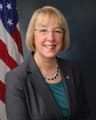 Patty Murray
Democrat · Washington
 Jeff Merkley
Democrat · Oregon
 Alex Padilla
Democrat · California
 John Reed
Democrat · Rhode Island
 Charles Schumer
Democrat · New York
 Tina Smith
Democrat · Minnesota
 Chris Van Hollen
Democrat · Maryland
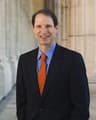 Ron Wyden
Democrat · Oregon
 Raphael Warnock
Democrat · Georgia
 Peter Welch
Democrat · Vermont
 Sheldon Whitehouse
Democrat · Rhode Island
 Mark Warner
Democrat · Virginia
 Elizabeth Warren
Democrat · Massachusetts