Bill · S. 134· Senate(119-S-134)
Saving the Civil Service Act
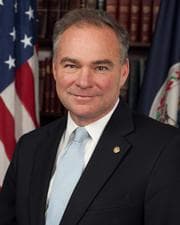
- Introduced
- 1/16/2025
- Last activity
- 1/16/2025 — Read twice and referred to the Committee on Homeland Security and Governmental Affairs.
- Sponsored by
- Timothy Kaine
- Cosponsors
- - 22 - 0
- Introduced
- In Committee
What this bill would do
The "Saving the Civil Service Act" aims to place limitations on moving positions from the competitive service to the excepted service. It restricts which schedules a competitive service position can be moved into, based on regulations in effect as of September 30, 2020. The bill also regulates how positions can be transferred within the excepted service and requires specific consent for certain moves. Additionally, it sets a cap on the number of employees an agency can transfer from the competitive service to the excepted service during a four-year presidential term. Finally, it mandates that the Director of the Office of Personnel Management submit annual reports to Congress regarding these transfers and any violations.
Yes
Does this make what the government does easier for the public to see?+5
The bill requires the Director of OPM to submit an annual report to Congress documenting all position transfers and any violations.
Would union members be better off under this?+4
By limiting the conversion of competitive service jobs to excepted service, the bill protects traditional civil service protections often associated with unionized environments.
Does this protect the right to fair treatment by the courts?+3
The bill mandates employee written consent before transferring individuals from the competitive service to the excepted service.
The opposite
No question was scored the opposite.
Who it would affect, and how
Potential Positive Impacts for People
-
Protections for employees during transfers: Under Section 2(c)(4), employees in the excepted service cannot be moved to a different schedule without their written consent, and employees in the competitive service cannot be moved to the excepted service without their written consent. This provides individuals with more control over their job status.
-
Limits on large-scale job conversions: Section 2(c)(3) prevents agencies from transferring a large number of people from competitive to excepted service during a four-year presidential term, capping it at the greater of 1 percent of the agency's workforce or 5 employees. This places a ceiling on how much the workforce composition can change via transfers.
-
Increased oversight and accountability: Section 2(d)(2) requires the Director to submit an annual report to Congress that lists every position transferred from the competitive service to the excepted service, along with a justification, and any violations of the act. This ensures that government actions are documented and reported to legislative leadership.
-
Mandatory consent for specific transfers: Under Section 2(c)(2), an agency cannot transfer occupied positions into schedule C of subpart C of part 213 of title 5, Code of Federal Regulations, without the prior consent of the Director.
Potential Negative Impacts for People
-
Restrictions on agency flexibility: Section 2(b) limits the ability to except positions from the competitive service to specific schedules and terms that were in effect as of September 30, 2020. This limits the ways agencies can categorize or move positions.
-
Restrictions on movement within the excepted service: Section 2(c)(1) prevents a position in the excepted service from being transferred to any schedule other than those described in subsection (b)(1).
Groups and Interests Ranking
Every group the model scored this bill for, from -10 to +10. Hover a score for the reason it gave.
- Governance And Ideology
- Improves Government Transparency+5Improves Due Process+3
- Demographic And Interest Groups
- Good For Union Workers+4
- 3/10/2026
- 1 Cosponsor added.
- 2/4/2026
- 1 Cosponsor added.
- 6/24/2025
- 1 Cosponsor added.
- 1/30/2025
- 1 Cosponsor added.
- 1/22/2025
- 1 Cosponsor added.
- 1/21/2025
- 3 Cosponsors added.
- 1/16/2025
- Read twice and referred to the Committee on Homeland Security and Governmental Affairs.
- 16 Cosponsors added.
- Introduced in Senate
 Angela Alsobrooks
Democrat · Maryland
 Richard Blumenthal
Democrat · Connecticut
 Richard Durbin
Democrat · Illinois
 Tammy Duckworth
Democrat · Illinois
 John Fetterman
Democrat · Pennsylvania
 John Hickenlooper
Democrat · Colorado
 Mazie Hirono
Democrat · Hawaii
 Martin Heinrich
Democrat · New Mexico
 Angus King
Independent · Maine
 Ben Luján
Democrat · New Mexico
 Edward Markey
Democrat · Massachusetts
 Patty Murray
Democrat · Washington
 Jeff Merkley
Democrat · Oregon
 Alex Padilla
Democrat · California
 Bernie Sanders
Independent · Vermont
 Charles Schumer
Democrat · New York
 Adam Schiff
Democrat · California
 Jeanne Shaheen
Democrat · New Hampshire
 Brian Schatz
Democrat · Hawaii
 Chris Van Hollen
Democrat · Maryland
 Ron Wyden
Democrat · Oregon
 Sheldon Whitehouse
Democrat · Rhode Island
 Mark Warner
Democrat · Virginia
 Elizabeth Warren
Democrat · Massachusetts