
Suzan DelBene (D-WA)
Expressing support for the designation of June 26 as "LGBTQI+ Equality Day".
A Democratic resolution with 94 Democratic cosponsors · See all 94 cosponsors
Last activity — Referred to the House Committee on the Judiciary.
In committee
Introduced and handed to a committee in the chamber it started in.
The committee holds it, and most bills are never heard from again. A hearing or a committee vote would be news; silence is the usual outcome, and it kills the bill without anyone voting against it.
Its path through Congress
- Introduced
- In Committee
A House resolution is the House speaking for itself: stating a position, honouring someone, or setting its own rules. Adopting it is the whole process. Once the House agrees to it, it is officially the House's word; it is not a law, so the Senate and the President have no part in it.
What this bill would do
This resolution expresses support for designating June 26 as "LGBTQI+ Equality Day." The proposal highlights several Supreme Court decisions from June 26 in 2003, 2013, and 2015 regarding same-sex conduct and marriage rights. It recognizes the ongoing barriers and discrimination faced by LGBTQI+ individuals, specifically mentioning transgender people and people of color. The resolution supports equal rights and protections regardless of sexual orientation, gender identity, or sex characteristics. Finally, it encourages the celebration of this day to commemorate past legal victories and educate the public on continued challenges.
Yes
- Scored +5
Does this expand the rights of LGBTQ people?
The resolution supports the designation of a commemorative day and advocates for continued equal protections for LGBTQI+ individuals.
- Scored +5
Would LGBTQ people be better off under this?
The resolution expresses support for the designation of a commemorative day and equal protections for the community.
- Scored +2
Does this narrow racial gaps in how people are treated?
The resolution explicitly acknowledges that LGBTQI+ people of color face unique and disproportionate barriers.
The opposite
No question was scored the opposite.
Who it would affect, and how
Potential Positive Impacts for People
-
Designation of a Commemorative Day: The resolution supports designating June 26 as "LGBTQI+ Equality Day" to commemorate significant Supreme Court decisions and encourage education regarding discrimination and harassment (Section 3).
-
Advocacy for Equal Rights: The resolution expresses support for equal rights and protections for all people, regardless of actual or perceived sexual orientation, gender identity, or sex characteristics (Section 1).
-
Recognition of Legislative Needs: The resolution acknowledges that further legislation is needed to ensure people are free from discrimination in areas such as employment, housing, public accommodations, education, Federal funding, credit, and jury service (Section 4).
Potential Negative Impacts for People
- No specific negative impacts or burdens are identified within the provided text.
Groups and Interests Ranking
Every group the model scored this bill for, from -10 to +10. Tap or hover a score for the reason it gave.
- Social Issues And Justice
- Does this expand the rights of LGBTQ people? — The resolution supports the designation of a commemorative day and advocates for continued equal protections for LGBTQI+ individuals. Does this narrow racial gaps in how people are treated? — The resolution explicitly acknowledges that LGBTQI+ people of color face unique and disproportionate barriers.
- Demographic And Interest Groups
- Would LGBTQ people be better off under this? — The resolution expresses support for the designation of a commemorative day and equal protections for the community.
- 10/6/2025
- 2 Cosponsors added.
- 6/27/2025
- 1 Cosponsor added.
- 6/26/2025
- Submitted in House
- Referred to the House Committee on the Judiciary.
- 91 Cosponsors added.
One bill Congress.gov lists as related to this one — companions in the other chamber, earlier versions, and bills this one absorbed or was folded into.
 Suzanne Bonamici
Democrat · Oregon
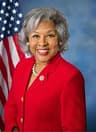 Joyce Beatty
Democrat · Ohio
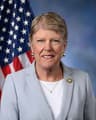 Julia Brownley
Democrat · California
 Ami Bera
Democrat · California
 Nanette Barragán
Democrat · California
 Shontel Brown
Democrat · Ohio
 Nikki Budzinski
Democrat · Illinois
 Becca Balint
Democrat · Vermont
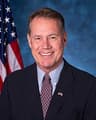 Ed Case
Democrat · Hawaii
 Emanuel Cleaver
Democrat · Missouri
 Joe Courtney
Democrat · Connecticut
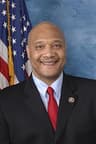 André Carson
Democrat · Indiana
 Judy Chu
Democrat · California
 Salud Carbajal
Democrat · California
 Angie Craig
Democrat · Minnesota
 Troy Carter
Democrat · Louisiana
 Jasmine Crockett
Democrat · Texas
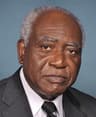 Danny Davis
Democrat · Illinois
 Diana DeGette
Democrat · Colorado
 Rosa DeLauro
Democrat · Connecticut
 Christopher Deluzio
Democrat · Pennsylvania
 Sharice Davids
Democrat · Kansas
 Madeleine Dean
Democrat · Pennsylvania
 Maxine Dexter
Democrat · Oregon
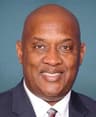 Dwight Evans
Democrat · Pennsylvania
 Bill Foster
Democrat · Illinois
 Lizzie Fletcher
Democrat · Texas
 Valerie Foushee
Democrat · North Carolina
 John Garamendi
Democrat · California
 Jesús García
Democrat · Illinois
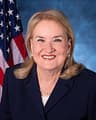 Sylvia Garcia
Democrat · Texas
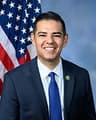 Robert Garcia
Democrat · California
 James Himes
Democrat · Connecticut
 Jared Huffman
Democrat · California
 Val Hoyle
Democrat · Oregon
 Henry Johnson
Democrat · Georgia
 Pramila Jayapal
Democrat · Washington
 Jonathan Jackson
Democrat · Illinois
 Julie Johnson
Democrat · Texas
 William Keating
Democrat · Massachusetts
 Raja Krishnamoorthi
Democrat · Illinois
 Sydney Kamlager-Dove
Democrat · California
 Timothy Kennedy
Democrat · New York
 Teresa Leger Fernandez
Democrat · New Mexico
 Stephen Lynch
Democrat · Massachusetts
 Ted Lieu
Democrat · California
 Greg Landsman
Democrat · Ohio
 George Latimer
Democrat · New York
 James McGovern
Democrat · Massachusetts
 Betty McCollum
Democrat · Minnesota
 Gwen Moore
Democrat · Wisconsin
 Joseph Morelle
Democrat · New York
 Morgan McGarvey
Democrat · Kentucky
 Seth Magaziner
Democrat · Rhode Island
 Kevin Mullin
Democrat · California
 Robert Menendez
Democrat · New Jersey
 Jennifer McClellan
Democrat · Virginia
 LaMonica McIver
Democrat · New Jersey
 Sarah McBride
Democrat · Delaware
 Richard Neal
Democrat · Massachusetts
 Eleanor Norton
Democrat · District of Columbia
 Alexandria Ocasio-Cortez
Democrat · New York
 Frank Pallone
Democrat · New Jersey
 Chellie Pingree
Democrat · Maine
 Mark Pocan
Democrat · Wisconsin
 Scott Peters
Democrat · California
 Jimmy Panetta
Democrat · California
 Mike Quigley
Democrat · Illinois
 Luz Rivas
Democrat · California
 Emily Randall
Democrat · Washington
 Robert Scott
Democrat · Virginia
 Adam Smith
Democrat · Washington
 Janice Schakowsky
Democrat · Illinois
 Linda Sánchez
Democrat · California
 Terri Sewell
Democrat · Alabama
 Bradley Schneider
Democrat · Illinois
 Darren Soto
Democrat · Florida
 Mary Gay Scanlon
Democrat · Pennsylvania
 Haley Stevens
Democrat · Michigan
 Hillary Scholten
Democrat · Michigan
 Lateefah Simon
Democrat · California
 Dina Titus
Democrat · Nevada
 Paul Tonko
Democrat · New York
 Mark Takano
Democrat · California
 Rashida Tlaib
Democrat · Michigan
 Ritchie Torres
Democrat · New York
 Jill Tokuda
Democrat · Hawaii
 Shri Thanedar
Democrat · Michigan
 Derek Tran
Democrat · California
 Nydia Velázquez
Democrat · New York
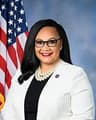 Nikema Williams
Democrat · Georgia
 Debbie Wasserman Schultz
Democrat · Florida
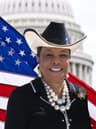 Frederica Wilson
Democrat · Florida
 Bonnie Watson Coleman
Democrat · New Jersey