
A Democratic bill with 9 Democratic cosponsors · See all 9 cosponsors
Last activity — Referred to the Committee on Energy and Commerce, and in addition to the Committee on Ways and Means, for a period to be subsequently determined by the Speaker, in each case for consideration of such provisions as fall within the jurisdiction of the committee concerned.
In committee
Introduced and handed to a committee in the chamber it started in.
The committee holds it, and most bills are never heard from again. A hearing or a committee vote would be news; silence is the usual outcome, and it kills the bill without anyone voting against it.
Its path through Congress
- Introduced
- In Committee
What this bill would do
This bill is called the Protect Patients from Costly Care Act. It aims to roll back recent changes made to Medicaid cost sharing requirements. It also undoes changes related to the exclusion for orphan drugs under the Medicare Drug Price Negotiation Program. By doing this, the legislation puts things back the way they were before those specific changes were made. We need to hold our elected officials accountable to ensure these legislative actions truly protect everyday people.
Yes· 3 of 23
- Scored +7
Would households on low incomes be better off under this?
Low-income households rely heavily on Medicaid and directly benefit from repealed cost-sharing increases.
- Scored +6
Would people with disabilities be better off under this?
Individuals with disabilities frequently rely on Medicaid and orphan drugs, making the rollbacks beneficial.
- Scored +6
Does this put more money into Medicaid, the health coverage for people on low incomes?
The bill repeals changes to Medicaid cost-sharing requirements, protecting low-income beneficiaries from increased out-of-pocket costs.
The opposite
No question was scored the opposite.
Who it would affect, and how
Potential Positive Impacts for People
-
Medicaid Cost Sharing Protection: Under Section 2, the bill repeals previous changes to Medicaid cost sharing requirements and rescinds related appropriations. This could be seen as positive because it puts the rules back to how they were, protecting people who rely on Medicaid from those specific cost-sharing changes.
-
Orphan Drug Protections: Under Section 3, the bill repeals changes made to the exclusion for orphan drugs under the Medicare Drug Price Negotiation Program. This is a positive step for individuals who depend on these specific drugs, as it restores the prior rules governing the program.
Potential Negative Impacts for People
- Rescission of Funds: Under Section 2(b), the bill rescinds the amounts previously appropriated under section 71120(c) of Public Law 119-21. While the text simply removes this funding, it means those specific appropriated funds will no longer be available, which could be viewed as a negative outcome depending on how those funds were intended to be used.
Groups and Interests Ranking
Every group the model scored this bill for, from -10 to +10. Tap or hover a score for the reason it gave.
- Demographic And Interest Groups
- Would households on low incomes be better off under this? — Low-income households rely heavily on Medicaid and directly benefit from repealed cost-sharing increases. Would people with disabilities be better off under this? — Individuals with disabilities frequently rely on Medicaid and orphan drugs, making the rollbacks beneficial. Would retired people be better off under this? — Retirees relying on Medicare drug provisions benefit from the restored orphan drug exclusion rules. Would people over 65 be better off under this? — Seniors benefit from the restoration of orphan drug exclusion rules within Medicare. Would children be better off under this? — Children relying on Medicaid benefit from the reversal of cost-sharing increases. Would Black Americans be better off under this? — African American communities disproportionately rely on Medicaid and benefit from cost-sharing protections. Would Hispanic Americans be better off under this? — Hispanic Americans experience higher rates of Medicaid enrollment and benefit from repealed cost increases. Would people in middle age be better off under this? — Middle-aged individuals on Medicaid are shielded from increased cost requirements. Would women be better off under this? — Women comprise a significant portion of Medicaid beneficiaries and gain protection from cost increases. Would people in their twenties and thirties be better off under this? — Young adults enrolled in Medicaid receive protection from added cost-sharing burdens. Would immigrants be better off under this? — Immigrants eligible for Medicaid benefit from the removal of added cost-sharing barriers. Would men be better off under this? — Men enrolled in Medicaid or Medicare drug programs benefit from stabilized rules. Would middle-income households be better off under this? — Middle-class households utilizing public health programs may see minor indirect benefits. Would Native Americans be better off under this? — Native Americans relying on public healthcare programs benefit from repealed cost-sharing modifications. Would people in rural areas be better off under this? — Rural residents relying on public healthcare programs benefit from the reversal of cost-sharing rules. Would people in cities be better off under this? — Urban populations with higher concentrations of Medicaid enrollees benefit from stabilized health costs. Would Asian Americans be better off under this? — Asian Americans enrolled in Medicaid benefit from restored program rules. Would LGBTQ people be better off under this? — LGBTQ individuals who rely on Medicaid receive protections against increased out-of-pocket costs. Would students be better off under this? — Students dependent on public health coverage see protection from increased medical expenses. Would white Americans be better off under this? — White Americans utilizing Medicaid and Medicare drug programs benefit from the rolled-back changes.
- Healthcare
- Does this put more money into Medicaid, the health coverage for people on low incomes? — The bill repeals changes to Medicaid cost-sharing requirements, protecting low-income beneficiaries from increased out-of-pocket costs. Does this make health care easier to get in general? — By rolling back Medicaid cost-sharing changes, the bill helps maintain healthcare access for vulnerable populations. Does this lower the price of prescription medicines? — Restoring the orphan drug exclusion under the Medicare Drug Price Negotiation Program preserves critical protections for specific drug pricing rules.
- 9/2/2025
- Referred to the Committee on Energy and Commerce, and in addition to the Committee on Ways and Means, for a period to be subsequently determined by the Speaker, in each case for consideration of such provisions as fall within the jurisdiction of the committee concerned.
- 9 Cosponsors added.
- Introduced in House
One bill Congress.gov lists as related to this one — companions in the other chamber, earlier versions, and bills this one absorbed or was folded into.
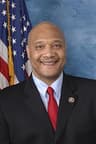 André Carson
Democrat · Indiana
 Angie Craig
Democrat · Minnesota
 Cleo Fields
Democrat · Louisiana
 Maggie Goodlander
Democrat · New Hampshire
 Jonathan Jackson
Democrat · Illinois
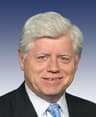 John Larson
Democrat · Connecticut
 Eleanor Norton
Democrat · District of Columbia
 Raul Ruiz
Democrat · California
 Shri Thanedar
Democrat · Michigan