
André Carson (D-IN)
Young Americans Financial Literacy Act
A Democratic bill with 50 Democratic cosponsors · See all 50 cosponsors
Last activity — Referred to the Committee on Financial Services, and in addition to the Committee on Education and Workforce, for a period to be subsequently determined by the Speaker, in each case for consideration of such provisions as fall within the jurisdiction of the committee concerned.
In committee
Introduced and handed to a committee in the chamber it started in.
The committee holds it, and most bills are never heard from again. A hearing or a committee vote would be news; silence is the usual outcome, and it kills the bill without anyone voting against it.
Its path through Congress
- Introduced
- In Committee
What this bill would do
The Young Americans Financial Literacy Act establishes a grant program within the Bureau of Consumer Financial Protection. This program funds "centers of excellence" dedicated to supporting research, development, and the implementation of financial literacy programs. These programs are specifically designed for young people and families between the ages of 8 and 24. The goal is to provide effective financial education and help individuals manage their finances through various life stages and economic hardships. The legislation includes provisions for creating instructional materials, professional development, and reducing student loan default rates.
Yes· 3 of 20
- Scored +5
Would people in their twenties and thirties be better off under this?
The bill specifically addresses needs of those aged 8-24, including college students.
- Scored +5
Would students be better off under this?
The bill includes specific focus on student loan management and educational debt.
- Scored +5
Does this give people more protection from unfair business practices?
The bill empowers consumers to avoid pitfalls like predatory lending and debt misuse.
The opposite
No question was scored the opposite.
Who it would affect, and how
Potential Positive Impacts for People
-
Improved Financial Management for Youth and Families: The bill funds the creation of centers of excellence to develop programs for young people and families ages 8 through 24 (Section 3(a)). This aims to help people manage money through difficult times and prevent future financial disasters (Section 2(4), 2(5)).
-
Targeted Support for At-Risk Populations: The bill prioritizes programs that serve at-risk populations, including minority and disadvantaged individuals (Section 3(b)(1)(B), 3(c)(7)). It also looks to help young families navigate pitfalls like bankruptcy, foreclosure, and predatory lending (Section 3(b)(2)).
-
Debt Management Assistance: The program includes the development of tools to help individuals understand how to manage educational debt, which is intended to reduce student loan default rates (Section 3(b)(5)).
-
Increased Wealth Building Opportunities: Priority is given to applications that enhance opportunities for asset building, such as increasing savings for lower-income households and investments in markets like stocks, bonds, and real estate (Section 3(c)(9)).
Potential Negative Impacts for People
- Limited Duration of Funding: The bill specifies that no grants may be made under this section after the end of fiscal year 2029 (Section 3(f)(2)).
Groups and Interests Ranking
Every group the model scored this bill for, from -10 to +10. Tap or hover a score for the reason it gave.
- Demographic And Interest Groups
- Would students be better off under this? — The bill includes specific focus on student loan management and educational debt. Would people in their twenties and thirties be better off under this? — The bill specifically addresses needs of those aged 8-24, including college students. Would children be better off under this? — The bill targets individuals starting at age 8 with financial education. Would households on low incomes be better off under this? — The bill prioritizes asset building and savings for lower-income households. Would Black Americans be better off under this? — The bill prioritizes minority and disadvantaged populations for outreach. Would Asian Americans be better off under this? — The bill prioritizes minority and disadvantaged populations for outreach. Would Hispanic Americans be better off under this? — The bill prioritizes minority and disadvantaged populations for outreach. Would Native Americans be better off under this? — The bill prioritizes minority and disadvantaged populations for outreach. Would middle-income households be better off under this? — Financial literacy helps manage debt and budgeting for various families. Would white Americans be better off under this? — General financial literacy benefits all demographics.
- Education And Technology
- Does this make college cost less? — The bill aims to reduce student loan default rates through education. Does this put more money into scientific research? — The bill funds research for financial literacy development. Does this put more money into public schools? — The bill funds financial literacy education through grants to institutions. Does this reduce what student borrowers owe or repay? — The bill focuses on debt management rather than direct debt cancellation.
- Economy And Finance
- Does this give people more protection from unfair business practices? — The bill empowers consumers to avoid pitfalls like predatory lending and debt misuse. Is this likely to grow the economy? — Financial literacy can enhance individual economic stability and asset building.
- Social Issues And Justice
- Does this narrow racial gaps in how people are treated? — The bill prioritizes outreach to minority and disadvantaged populations. Is this likely to lift people out of poverty? — Financial literacy can aid in asset building for lower-income households.
- Governance And Ideology
- Does this make what the government does easier for the public to see? — The bill requires annual reports to Congress regarding grant recipients. Does this give the federal government more power? — The bill expands the Bureau of Consumer Financial Protection's grant-making role.
- 4/15/2026
- 1 Cosponsor added.
- 4/13/2026
- 1 Cosponsor added.
- 11/12/2025
- 1 Cosponsor added.
- 10/3/2025
- 2 Cosponsors added.
- 8/29/2025
- 2 Cosponsors added.
- 8/19/2025
- 1 Cosponsor added.
- 7/29/2025
- 1 Cosponsor added.
- 5/19/2025
- 1 Cosponsor added.
- 4/28/2025
- 1 Cosponsor added.
- 3/25/2025
- 2 Cosponsors added.
- 3/24/2025
- 3 Cosponsors added.
- 3/11/2025
- 1 Cosponsor added.
- 3/10/2025
- 1 Cosponsor added.
- 2/25/2025
- 1 Cosponsor added.
- 2/13/2025
- 1 Cosponsor added.
- 2/10/2025
- 1 Cosponsor added.
- 2/4/2025
- 2 Cosponsors added.
- 1/23/2025
- 1 Cosponsor added.
- 1/22/2025
- 2 Cosponsors added.
- 1/21/2025
- 1 Cosponsor added.
- 1/16/2025
- Sponsor introductory remarks on measure. (CR E40)
- Referred to the Committee on Financial Services, and in addition to the Committee on Education and Workforce, for a period to be subsequently determined by the Speaker, in each case for consideration of such provisions as fall within the jurisdiction of the committee concerned.
- 23 Cosponsors added.
- Introduced in House
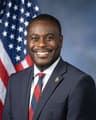 Gabe Amo
Democrat · Rhode Island
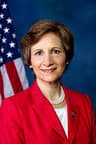 Suzanne Bonamici
Democrat · Oregon
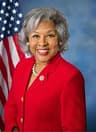 Joyce Beatty
Democrat · Ohio
 Nanette Barragán
Democrat · California
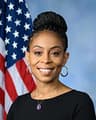 Shontel Brown
Democrat · Ohio
 Ed Case
Democrat · Hawaii
 Yvette Clarke
Democrat · New York
 Steve Cohen
Democrat · Tennessee
 Salud Carbajal
Democrat · California
 Sean Casten
Democrat · Illinois
 Angie Craig
Democrat · Minnesota
 Troy Carter
Democrat · Louisiana
 Sheila Cherfilus-McCormick
Democrat · Florida
 Donald Davis
Democrat · North Carolina
 Madeleine Dean
Democrat · Pennsylvania
 Dwight Evans
Democrat · Pennsylvania
 Adriano Espaillat
Democrat · New York
 Veronica Escobar
Democrat · Texas
 Shomari Figures
Democrat · Alabama
 Jesús García
Democrat · Illinois
 Steven Horsford
Democrat · Nevada
 Jahana Hayes
Democrat · Connecticut
 Henry Johnson
Democrat · Georgia
 Julie Johnson
Democrat · Texas
 William Keating
Democrat · Massachusetts
 Raja Krishnamoorthi
Democrat · Illinois
 Ted Lieu
Democrat · California
 James McGovern
Democrat · Massachusetts
 Kweisi Mfume
Democrat · Maryland
 Seth Magaziner
Democrat · Rhode Island
 Kevin Mullin
Democrat · California
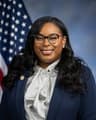 LaMonica McIver
Democrat · New Jersey
 Sarah McBride
Democrat · Delaware
 Eleanor Norton
Democrat · District of Columbia
 Ilhan Omar
Democrat · Minnesota
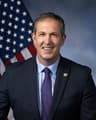 Johnny Olszewski
Democrat · Maryland
 Delia Ramirez
Democrat · Illinois
 Adam Smith
Democrat · Washington
 Linda Sánchez
Democrat · California
 Darren Soto
Democrat · Florida
 Hillary Scholten
Democrat · Michigan
 Bennie Thompson
Democrat · Mississippi
 Dina Titus
Democrat · Nevada
 Rashida Tlaib
Democrat · Michigan
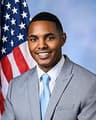 Ritchie Torres
Democrat · New York
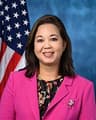 Jill Tokuda
Democrat · Hawaii
 Shri Thanedar
Democrat · Michigan
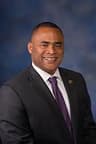 Marc Veasey
Democrat · Texas
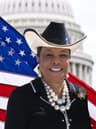 Frederica Wilson
Democrat · Florida
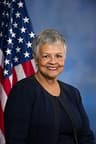 Bonnie Watson Coleman
Democrat · New Jersey