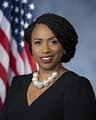
Ayanna Pressley (D-MA)
Equity in Government Act
A Democratic bill with 42 Democratic cosponsors · See all 42 cosponsors
Last activity — Referred to the House Committee on Oversight and Government Reform.
In committee
Introduced and handed to a committee in the chamber it started in.
The committee holds it, and most bills are never heard from again. A hearing or a committee vote would be news; silence is the usual outcome, and it kills the bill without anyone voting against it.
Its path through Congress
- Introduced
- In Committee
What this bill would do
The "Equity in Government Act" aims to improve the equitable provision of services to underserved communities and individuals. It amends titles 5, 31, and 44 of the United States Code. The bill requires agencies to include goals related to equitable service provision in their strategic and performance plans. It establishes an Agency Equity Advisory Team within each agency. The bill also focuses on equitable data use and collection by establishing an Equitable Data Working Group. Finally, it emphasizes the importance of considering equity in policymaking and access to services.
Yes· 3 of 27
- Scored +6
Would households on low incomes be better off under this?
The bill directly targets underserved communities and individuals, which often include low-income households, aiming to improve their access to services.
- Scored +6
Would Native Americans be better off under this?
Native Americans, due to historical marginalization and unique challenges, stand to significantly benefit from this bill.
- Scored +5
Would Black Americans be better off under this?
As a group that has historically faced systemic barriers, African Americans stand to benefit from improved equity in government services.
The opposite
No question was scored the opposite.
Who it would affect, and how
Potential Positive Impacts for People
-
Improved Services for Underserved Communities and Individuals: Sections 2(a)(1), 2(b)(1), and 2(c) require agencies to set goals for improving the equitable provision of services to underserved communities. This could lead to better access and outcomes for these groups.
-
Increased Stakeholder Input: Sections 2(a)(2) and 2(b)(2) mandate agencies to consult with nongovernmental organizations, community groups, and other stakeholders when developing plans to serve underserved communities. This ensures that the needs and perspectives of these communities are considered.
-
Focus on Equitable Data Use: Section 4 emphasizes equitable data collection and use, which could help to identify and address disparities in government services.
-
Agency Equity Advisory Team: Section 3(1)(C) requires each agency to establish an Agency Equity Advisory Team. This team is meant to provide expert guidance on how to improve the equitable provision of services.
Potential Negative Impacts for People
- There are no explicitly stated negative impacts for people that can be identified within the document.
Groups and Interests Ranking
Every group the model scored this bill for, from -10 to +10. Tap or hover a score for the reason it gave.
- Demographic And Interest Groups
- Would households on low incomes be better off under this? — The bill directly targets underserved communities and individuals, which often include low-income households, aiming to improve their access to services. Would Native Americans be better off under this? — Native Americans, due to historical marginalization and unique challenges, stand to significantly benefit from this bill. Would Black Americans be better off under this? — As a group that has historically faced systemic barriers, African Americans stand to benefit from improved equity in government services. Would Hispanic Americans be better off under this? — As a group that has historically faced systemic barriers, Hispanic Americans stand to benefit from improved equity in government services. Would Asian Americans be better off under this? — Asian Americans, particularly those within underserved communities, could benefit from improved equity in government services. Would immigrants be better off under this? — Immigrants, particularly those who are part of underserved communities, could benefit from this bill. Would LGBTQ people be better off under this? — If the LGBTQ+ community is part of the underserved communities, they may benefit from improved services. Would people with disabilities be better off under this? — People with disabilities within underserved communities stand to benefit from improved equity in government services. Would people in rural areas be better off under this? — If rural residents are part of the underserved communities, they may benefit from improved services. Would children be better off under this? — Improved services could indirectly benefit children in underserved communities. Would farmers be better off under this? — If farmers are part of the underserved communities, they may benefit from improved services. Would men be better off under this? — If men are part of the underserved communities, they may benefit from improved services. Would people in middle age be better off under this? — Improved services could benefit middle-aged adults in underserved communities. Would retired people be better off under this? — If retirees are part of the underserved communities, they may benefit from improved services. Would people over 65 be better off under this? — Improved services could benefit seniors in underserved communities. Would students be better off under this? — If students are part of the underserved communities, they may benefit from improved services. Would people in cities be better off under this? — If urban residents are part of the underserved communities, they may benefit from improved services. Would veterans be better off under this, taking everything together? — If veterans are part of the underserved communities, they may benefit from improved services. Would women be better off under this? — If women are part of the underserved communities, they may benefit from improved services. Would people in their twenties and thirties be better off under this? — Improved services could benefit young adults in underserved communities. Would middle-income households be better off under this? — The bill may have a slight positive impact if middle-class households are considered underserved in certain areas. Would white Americans be better off under this? — White Americans in underserved communities may see some benefit, but the bill is primarily targeted at other groups.
- Social Issues And Justice
- Does this narrow racial gaps in how people are treated? — The bill explicitly targets underserved communities, which often include racial and ethnic minorities, to improve equity in government services. Is this likely to lift people out of poverty? — By improving services to underserved communities, the bill could help reduce poverty by providing better access to resources and opportunities.
- Governance And Ideology
- Does this make what the government does easier for the public to see? — The bill aims to improve data collection and use, which could lead to more transparent government operations and better informed policy-making. Does this give the federal government more power? — The bill increases federal oversight by requiring agencies to set goals related to equitable service provision.
- Healthcare
- Does this make health care easier to get in general? — The bill aims to improve equitable provision of services, which may improve healthcare access for underserved communities.
- 10/31/2025
- 1 Cosponsor added.
- 9/26/2025
- 1 Cosponsor added.
- 7/21/2025
- 2 Cosponsors added.
- 7/17/2025
- Referred to the House Committee on Oversight and Government Reform.
- 38 Cosponsors added.
- Introduced in House
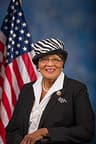 Alma Adams
Democrat · North Carolina
 Sanford Bishop
Democrat · Georgia
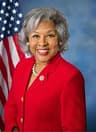 Joyce Beatty
Democrat · Ohio
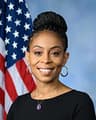 Shontel Brown
Democrat · Ohio
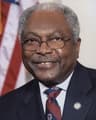 James Clyburn
Democrat · South Carolina
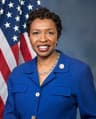 Yvette Clarke
Democrat · New York
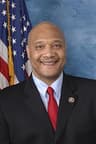 André Carson
Democrat · Indiana
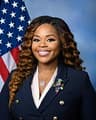 Sheila Cherfilus-McCormick
Democrat · Florida
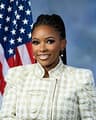 Jasmine Crockett
Democrat · Texas
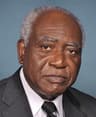 Danny Davis
Democrat · Illinois
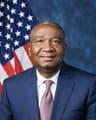 Cleo Fields
Democrat · Louisiana
 Maxwell Frost
Democrat · Florida
 Valerie Foushee
Democrat · North Carolina
 Sylvia Garcia
Democrat · Texas
 Robert Garcia
Democrat · California
 Steven Horsford
Democrat · Nevada
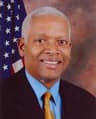 Henry Johnson
Democrat · Georgia
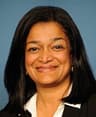 Pramila Jayapal
Democrat · Washington
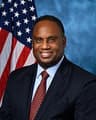 Jonathan Jackson
Democrat · Illinois
 Robin Kelly
Democrat · Illinois
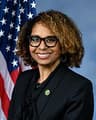 Sydney Kamlager-Dove
Democrat · California
 Timothy Kennedy
Democrat · New York
 Stephen Lynch
Democrat · Massachusetts
 Summer Lee
Democrat · Pennsylvania
 Kweisi Mfume
Democrat · Maryland
 Gregory Meeks
Democrat · New York
 LaMonica McIver
Democrat · New Jersey
 Eleanor Norton
Democrat · District of Columbia
 Alexandria Ocasio-Cortez
Democrat · New York
 Ilhan Omar
Democrat · Minnesota
 Stacey Plaskett
Democrat · Virgin Islands
 Jamie Raskin
Democrat · Maryland
 Delia Ramirez
Democrat · Illinois
 Eric Swalwell
Democrat · California
 Darren Soto
Democrat · Florida
 Melanie Stansbury
Democrat · New Mexico
 Lateefah Simon
Democrat · California
 Rashida Tlaib
Democrat · Michigan
 Shri Thanedar
Democrat · Michigan
 Nydia Velázquez
Democrat · New York
 Nikema Williams
Democrat · Georgia
 Bonnie Watson Coleman
Democrat · New Jersey