Bill · H.R. 4181· House(119-HR-4181)
WILTR Act of 2025
- Introduced
- 6/26/2025
- Last activity
- 6/26/2025 — Referred to the House Committee on Ways and Means.
- Sponsored by
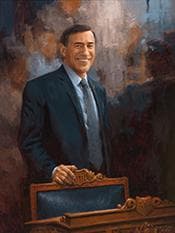
- Darrell Issa
- Cosponsors
- - 8 - 0
- Introduced
- In Committee
What this bill would do
This bill, known as the "WILTR Act of 2025," aims to amend the Internal Revenue Code of 1986 to provide incentives for wildfire prevention. It seeks to exclude certain grants, awards, or services from gross income when they are used for hazardous fuel reduction activities or improvements on a taxpayer's property. Additionally, the bill allows for a deduction of amounts paid or incurred for qualified hazardous fuel reduction activities. These activities include things like installing fuel breaks, using prescribed fires, or mechanical fuel removal. The bill also covers improvements intended to assist with firefighting access, training, or emergency evacuation.
Yes· 3 of 14
Does this better protect air, water and wildlife?+5
Encourages proactive fuel reduction to mitigate the impact of wildfires.
Would people in rural areas be better off under this?+5
Directly benefits rural residents by providing incentives for wildfire prevention on their land.
Does this improve help for people hit by a disaster?+4
Acts as a preventive measure to reduce the scale of future wildfire disasters.
The opposite
No question was scored the opposite.
Who it would affect, and how
Potential Positive Impacts for People
-
Tax Relief for Wildfire Prevention: Under Section 2(a), gross income will not include grants or awards received by a taxpayer for conducting hazardous fuel reduction activities or making improvements to their real property. This provides a financial benefit to those performing wildfire prevention tasks.
-
Deductions for Prevention Costs: According to Section 3(a), taxpayers can claim a deduction for amounts paid or incurred for qualified hazardous fuel reduction activities. This allows individuals to offset some of the costs associated with preventing wildfires on their property.
-
Support for Firefighting Infrastructure: Section 2(a)(2)(B) includes improvements such as the installation of firefighting equipment, the maintenance of trails or roads for firefighting access, and the facilitation of firefighter training. This can improve safety and preparation for fire-related emergencies.
-
Incentives for Fuel Reduction: Section 2(a)(2)(A) provides for various methods of wildfire prevention, including the installation of fuel breaks, prescribed fire, and mechanical methods like thinning or pruning. This encourages actions that can help control fire behavior.
Potential Negative Impacts for People
-
Restrictions on Double Benefits: Under Section 3(b)(2), the bill includes a "Denial of Double Benefit" provision. This means a deduction cannot be claimed for any expenditure that is already being excluded from gross income under section 139(i), preventing taxpayers from getting two tax advantages for the same expense.
-
Requirement for Agency Certification: Per Section 3(a)(b), a hazardous fuel reduction activity is only considered "qualified" if a State, local, Tribal, or Federal fire management agency certifies that it will reduce hazardous fuels or enable firefighting-related functions. This adds a requirement for official agency approval.
Groups and Interests Ranking
Every group the model scored this bill for, from -10 to +10. Hover a score for the reason it gave.
- Environment Energy And Infrastructure
- Improves Environmental Protections+5Improves Disaster Relief And F E M A+4Improves Public Land Management+3Improves Roads And Bridges+3Improves Rural Development+2
- Demographic And Interest Groups
- Good For Rural Residents+5Good For Farmers+2Good For Middle Class Households+2Good For Business Owners+1Good For High Income Households+1Good For Native Americans+1
- Economy And Finance
- Reduces Middle Class Taxes+3Increases Job Creation+1
- Governance And Ideology
- Increases Federal Power+1
- 10/3/2025
- 1 Cosponsor added.
- 7/2/2025
- 1 Cosponsor added.
- 6/30/2025
- 2 Cosponsors added.
- 6/26/2025
- Referred to the House Committee on Ways and Means.
- 4 Cosponsors added.
- Introduced in House
 Michael Baumgartner
Republican · Washington
 Paul Gosar
Republican · Arizona
 Young Kim
Republican · California
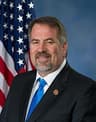 Doug LaMalfa
Republican · California
 Dan Newhouse
Republican · Washington
 Jay Obernolte
Republican · California
 Michael Rulli
Republican · Ohio
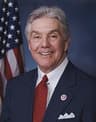 Roger Williams
Republican · Texas