Bill · H.R. 3204· House(119-HR-3204)
BASIC ACT
- Introduced
- 5/5/2025
- Last activity
- 5/5/2025 — Referred to the House Committee on Ways and Means.
- Sponsored by
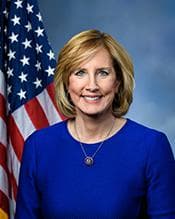
- Claudia Tenney
- Cosponsors
- - 10 - 13
- Introduced
- In Committee
What this bill would do
The "Building Advanced Semiconductors Investment Credit Act," also known as the "BASIC ACT," proposes changes to the Internal Revenue Code of 1986. It aims to increase the advanced manufacturing investment credit from 25 percent to 35 percent. Additionally, it extends the period for this credit from December 31, 2026, to December 31, 2030. These changes would apply to property placed in service after the act is enacted.
Yes· 3 of 19
Would business owners be better off under this?+8
Directly benefits owners of semiconductor manufacturing facilities through tax credits.
Is this likely to create jobs?+6
Increased incentives for manufacturing facilities typically lead to higher job creation in the construction and tech sectors.
Would people with substantial wealth be better off under this?+5
Increases the value of investments in the semiconductor sector.
The opposite
Does this raise the taxes companies pay?-5
The bill provides a tax credit, effectively reducing the tax burden on corporations investing in semiconductors.
Does this reduce what the federal government owes?-3
Increasing tax credits generally reduces federal tax revenue, which can increase the deficit.
Does this make the government pay for what it commits to?-2
The reduction in tax revenue without a corresponding spending cut may be viewed as fiscally irresponsible.
Who it would affect, and how
Potential Positive Impacts for People
-
Higher Investment Credit: Section 2(a) increases the credit to 35 percent, which provides a larger financial incentive for advanced manufacturing.
-
Extended Deadline: Section 2(b) extends the credit period to December 31, 2030, giving more time for investments to be made.
Potential Negative Impacts for People
- No negative impacts for individuals or groups are explicitly mentioned in the provided text.
Groups and Interests Ranking
Every group the model scored this bill for, from -10 to +10. Hover a score for the reason it gave.
- Demographic And Interest Groups
- Good For Business Owners+8Good For Billionaires+5Good For High Net Worth Individuals+5Good For Ultra High Net Worth Individuals+5Good For High Income Households+4Good For Students+4Good For Union Workers+4Good For Young Adults+4Good For Middle Aged+3Good For Middle Class Households+3Good For Rural Residents+3Good For Low Income Households+2
- Economy And Finance
- Increases Job Creation+6Improves Economic Growth+5Improves Small Business Support+3Reduces Small Business Taxes+2Increases Corporate Taxes-5Reduces National Debt-3Improves Fiscal Responsibility-2
- Education And Technology
- Increases Scientific Research Funding+4
- National Security And Foreign Policy
- Improves Cybersecurity Defense+4
- Environment Energy And Infrastructure
- Improves Rural Development+2
- 8/15/2025
- 1 Cosponsor added.
- 6/24/2025
- 1 Cosponsor added.
- 6/3/2025
- 1 Cosponsor added.
- 5/6/2025
- 1 Cosponsor added.
- 5/5/2025
- Referred to the House Committee on Ways and Means.
- 19 Cosponsors added.
- Introduced in House
 Becca Balint
Democrat · Vermont
 Mike Carey
Republican · Ohio
 Brian Fitzpatrick
Republican · Pennsylvania
 Steven Horsford
Democrat · Nevada
 Mike Kelly
Republican · Pennsylvania
 Ro Khanna
Democrat · California
 Young Kim
Republican · California
 Jennifer Kiggans
Republican · Virginia
 Timothy Kennedy
Democrat · New York
 Susie Lee
Democrat · Nevada
 Michael Lawler
Republican · New York
 Nicholas Langworthy
Republican · New York
 Nicole Malliotakis
Republican · New York
 Joseph Morelle
Democrat · New York
 John Mannion
Democrat · New York
 Joe Neguse
Democrat · Colorado
 Josh Riley
Democrat · New York
 Michael Simpson
Republican · Idaho
 Elise Stefanik
Republican · New York
 Thomas Suozzi
Democrat · New York
 Suhas Subramanyam
Democrat · Virginia
 Paul Tonko
Democrat · New York
 Eugene Vindman
Democrat · Virginia