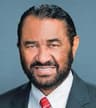
Al Green (D-TX)
Reconciliation in Place Names Act
A Democratic bill with 18 Democratic cosponsors · See all 18 cosponsors
Last activity — Referred to the House Committee on Natural Resources.
In committee
Introduced and handed to a committee in the chamber it started in.
The committee holds it, and most bills are never heard from again. A hearing or a committee vote would be news; silence is the usual outcome, and it kills the bill without anyone voting against it.
Its path through Congress
- Introduced
- In Committee
What this bill would do
The Reconciliation in Place Names Act establishes a process for the Board on Geographic Names to review and revise offensive place names. It creates the Advisory Committee on Reconciliation in Place Names to recommend these changes to the Board. The Committee is tasked with soliciting proposals to rename geographic features and Federal land units that contain offensive terms. The Act aims to address names that include racial or sexual slurs or honor individuals who committed injustices. This systematic process is intended to provide an opportunity for reconciliation.
Yes· 3 of 8
- Scored +8
Would Native Americans be better off under this?
The bill provides a mechanism to remove names that honor individuals who committed atrocities against Native Americans.
- Scored +7
Does this narrow racial gaps in how people are treated?
The bill aims to address historical injustices by removing offensive place names targeting racial minorities.
- Scored +6
Would Black Americans be better off under this?
The bill specifically targets the removal of names that include racial slurs targeting African Americans.
The opposite
No question was scored the opposite.
Who it would affect, and how
Potential Positive Impacts for People
-
Increased Equity and Dignity: The bill seeks to ensure that place names are equitable, just, and advance dignity for all people in the United States (Section 2).
-
Removal of Offensive Language: The process aims to remove geographic names that include racial or sexual slurs or stereotypes targeting Native Americans, African Americans, and others (Section 2).
-
Addressing Historical Injustices: The act provides a mechanism to rename features that honor individuals who held racially repugnant views, committed atrocities against Native Americans, or carried out injustices against racial minorities (Section 2 and Section 3).
-
Public Involvement and Transparency: The new committee establishes a process to solicit proposals from Indian Tribes, State and local governments, land management agencies, and the general public, while also providing opportunities for public comment (Section 4).
-
Representation for Diverse Groups: The advisory committee is designed to include members from Indian Tribes, Tribal organizations, and Native Hawaiian organizations (Section 4).
Potential Negative Impacts for People
- Uncompensated Service: Members of the Advisory Committee shall serve without compensation (Section 4).
Groups and Interests Ranking
Every group the model scored this bill for, from -10 to +10. Tap or hover a score for the reason it gave.
- Demographic And Interest Groups
- Would Native Americans be better off under this? — The bill provides a mechanism to remove names that honor individuals who committed atrocities against Native Americans. Would Black Americans be better off under this? — The bill specifically targets the removal of names that include racial slurs targeting African Americans. Would women be better off under this? — The bill addresses the removal of sexual slurs and gender-based stereotypes in place names.
- Social Issues And Justice
- Does this narrow racial gaps in how people are treated? — The bill aims to address historical injustices by removing offensive place names targeting racial minorities. Does this narrow the gap between how men and women are treated? — The bill includes provisions to remove place names containing sexual slurs or gender-based stereotypes.
- Governance And Ideology
- Does this make what the government does easier for the public to see? — The bill establishes a more transparent and public process for renaming geographic features. Does this give the federal government more power? — The bill expands federal processes for reviewing and changing geographic names through an appointed committee.
- Environment Energy And Infrastructure
- Does this better protect public land such as parks and forests? — The bill affects how Federal land units are named and managed through a new advisory process.
- 10/3/2025
- 1 Cosponsor added.
- 9/15/2025
- 1 Cosponsor added.
- 4/17/2025
- 1 Cosponsor added.
- 4/10/2025
- Referred to the House Committee on Natural Resources.
- 15 Cosponsors added.
- Introduced in House
One bill Congress.gov lists as related to this one — companions in the other chamber, earlier versions, and bills this one absorbed or was folded into.
 Yassamin Ansari
Democrat · Arizona
 André Carson
Democrat · Indiana
 Dwight Evans
Democrat · Pennsylvania
 Jared Huffman
Democrat · California
 Henry Johnson
Democrat · Georgia
 Pramila Jayapal
Democrat · Washington
 Sara Jacobs
Democrat · California
 Robin Kelly
Democrat · Illinois
 Sydney Kamlager-Dove
Democrat · California
 Zoe Lofgren
Democrat · California
 LaMonica McIver
Democrat · New Jersey
 Eleanor Norton
Democrat · District of Columbia
 Mike Quigley
Democrat · Illinois
 Melanie Stansbury
Democrat · New Mexico
 Bennie Thompson
Democrat · Mississippi
 Rashida Tlaib
Democrat · Michigan
 Nikema Williams
Democrat · Georgia
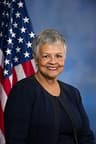 Bonnie Watson Coleman
Democrat · New Jersey