Bill · S. 2894· Senate(119-S-2894)
Reconciliation in Place Names Act
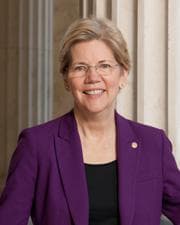
- Introduced
- 9/18/2025
- Last activity
- 9/18/2025 — Read twice and referred to the Committee on Energy and Natural Resources.
- Sponsored by
- Elizabeth Warren
- Cosponsors
- - 10 - 0
- Introduced
- In Committee
What this bill would do
The Reconciliation in Place Names Act establishes a process for the Board on Geographic Names to review and change offensive geographic names. It mandates the creation of the Advisory Committee on Reconciliation in Place Names to recommend these changes. This committee will solicit proposals from Indian Tribes, governments, and the public. The bill aims to remove names that include slurs or honor individuals who committed injustices or held repugnant views. The Board is required to accept these proposals unless there is a compelling reason or legal violation.
Yes· 3 of 12
Would Native Americans be better off under this?+10
The bill specifically targets the removal of atrocities committed against Native Americans and includes significant tribal representation on the committee.
Would Black Americans be better off under this?+8
The bill seeks to remove derogatory terms and names honoring those who carried out injustices against African Americans.
Does this narrow racial gaps in how people are treated?+8
The bill establishes a systematic process to remove racial slurs and names honoring those who committed atrocities against minorities.
The opposite
No question was scored the opposite.
Who it would affect, and how
Potential Positive Impacts for People
-
Promoting Equity and Dignity: The bill aims to ensure place names are equitable, just, and advance dignity for all people (Section 2).
-
Removing Offensive Language: The process seeks to eliminate geographic names that contain racial or sexual slurs, or perpetuate stereotypes (Section 2 and Section 3).
-
Addressing Historical Injustices: The act provides a way to rename features that honor individuals who committed atrocities against Native Americans or supported discriminatory policies (Section 2 and Section 3).
-
Increased Public Involvement: By creating an advisory committee, the bill establishes a process to solicit proposals from Indian Tribes, local governments, and the general public (Section 4).
-
Inclusion of Diverse Perspectives: The committee is designed to include members from Indian Tribes, Native Hawaiian organizations, and experts in civil rights, anthropology, and history (Section 4).
Potential Negative Impacts for People
- Lack of Compensation for Committee Members: Members of the Advisory Committee shall serve without compensation (Section 4).
Groups and Interests Ranking
Every group the model scored this bill for, from -10 to +10. Hover a score for the reason it gave.
- Demographic And Interest Groups
- Good For Native Americans+10Good For African Americans+8Good For Asian Americans+7Good For Hispanic Americans+7Good For L G B T Q Community+2Good For Women+2
- Social Issues And Justice
- Improves Racial Equity+8Improves Gender Equality+2Improves L G B T Q Rights+2
- Governance And Ideology
- Improves Government Transparency+6Increases Federal Power+1
- Environment Energy And Infrastructure
- Improves Public Land Management+5
- 9/30/2025
- 1 Cosponsor added.
- 9/18/2025
- Read twice and referred to the Committee on Energy and Natural Resources.
- 9 Cosponsors added.
- Introduced in Senate
One bill Congress.gov lists as related to this one — companions in the other chamber, earlier versions, and bills this one absorbed or was folded into.
 Cory Booker
Democrat · New Jersey
 Tammy Duckworth
Democrat · Illinois
 John Hickenlooper
Democrat · Colorado
 Mazie Hirono
Democrat · Hawaii
 Edward Markey
Democrat · Massachusetts
 Jeff Merkley
Democrat · Oregon
 Alex Padilla
Democrat · California
 Adam Schiff
Democrat · California
 Tina Smith
Democrat · Minnesota
 Ron Wyden
Democrat · Oregon