
Melanie Stansbury (D-NM)
America's Red Rock Wilderness Act
A Democratic bill with 82 Democratic cosponsors · See all 82 cosponsors
Last activity — Referred to the House Committee on Natural Resources.
In committee
Introduced and handed to a committee in the chamber it started in.
The committee holds it, and most bills are never heard from again. A hearing or a committee vote would be news; silence is the usual outcome, and it kills the bill without anyone voting against it.
Its path through Congress
- Introduced
- In Committee
What this bill would do
This bill is called America's Red Rock Wilderness Act. It designates specific federal lands in Utah as wilderness areas for the benefit of current and future generations. The bill includes sections for defining terms, outlining congressional findings, and stating the main purposes of the legislation. It creates numerous specific wilderness areas across different regions in Utah under Title I. Finally, Title II provides administrative provisions covering land management, water rights, roads, livestock grazing, tribal rights, and mineral withdrawals.
Yes· 3 of 27
- Scored +8
Does this better protect air, water and wildlife?
The bill designates specific areas as wilderness, protecting their ecological and scenic values.
- Scored +7
Does this better protect public land such as parks and forests?
The bill provides guidelines on how the land is to be managed
- Scored +6
Would Native Americans be better off under this?
The bill acknowledges and protects Indigenous cultural and spiritual values associated with the land.
The opposite· 3 of 10
- Scored -2
Would people in rural areas be better off under this?
Rural residents who rely on resource extraction or traditional land uses may be negatively impacted by land withdrawals.
- Scored -2
Is this likely to create jobs?
The bill could reduce job creation by limiting resource extraction activities like mining and mineral leasing.
- Scored -2
Is this likely to grow the economy?
The bill could hinder economic growth in the region by restricting land use and resource development.
Who it would affect, and how
Potential Positive Impacts for People
-
Protection of Traditional Activities: Section 4(3) aims to protect the ability of Indigenous and non-Indigenous people to use the designated land for traditional activities such as hunting, fishing, hiking, horsepacking, camping, and spirituality. This is positive because it preserves recreational and cultural access for the public.
-
Land and Resource Exchanges for the State: Section 203(a) requires the Secretary to offer federally owned land of approximately equal value in exchange if State-owned land is included in a designated wilderness area. This provision benefits the State by ensuring it does not simply lose the utility of its school trust lands.
-
Safeguarding Tribal Rights and Heritage: Section 208 explicitly states that the bill does not affect or modify any right of any federally recognized Indian Tribe or any obligation of the United States to a Tribe. Furthermore, Section 3(5) notes that the wilderness designations serve to protect places of Indigenous use and sanctuary.
Potential Negative Impacts for People
-
Restriction on Mining and Mineral Leasing: Section 210 withdraws the federal land referred to in Title I from all forms of public law entry, mining law locations, and mineral or geothermal leasing. This could be viewed as a negative burden on individuals, companies, or workers dependent on fossil fuel extraction and mining, as Section 3(2)(B)(iii) explicitly highlights that the bill reduces greenhouse gas emissions related to the extraction and use of fossil fuels.
-
Limitations on Land Exchanges Involving Minerals: Section 203(b) restricts the Secretary from transferring any mineral interests unless the State transfers its mineral interests located within the designated wilderness areas back to the Secretary. This creates a strict limitation that could complicate or stall land negotiations between the State and the federal government.
Groups and Interests Ranking
Every group the model scored this bill for, from -10 to +10. Tap or hover a score for the reason it gave.
- Demographic And Interest Groups
- Would Native Americans be better off under this? — The bill acknowledges and protects Indigenous cultural and spiritual values associated with the land. Would children be better off under this? — The preservation of wilderness areas can benefit future generations by protecting natural resources and biodiversity. Would students be better off under this? — Students may benefit from increased educational and research opportunities in protected areas. Would people in their twenties and thirties be better off under this? — Young adults may benefit from increased recreational opportunities in protected areas. Would high-income households be better off under this? — High-income households may value the preservation of natural landscapes for aesthetic and recreational purposes. Would people in middle age be better off under this? — Middle-aged individuals may appreciate the preservation of natural landscapes for recreation and enjoyment. Would middle-income households be better off under this? — Middle-class households may benefit from increased recreational opportunities and the preservation of natural resources. Would retired people be better off under this? — Retirees can benefit from the preservation of natural landscapes for recreation and enjoyment. Would people over 65 be better off under this? — Seniors can benefit from the preservation of natural landscapes for recreation and enjoyment. Would people in cities be better off under this? — Urban residents may value the preservation of wilderness areas as a source of recreation and natural beauty. Would billionaires be better off under this? — Billionaires who value conservation may view this bill positively. Would people with substantial wealth be better off under this? — High-net-worth individuals who value conservation may view this bill positively. Would households on low incomes be better off under this? — Low-income households may benefit from increased access to free or low-cost recreational opportunities. Would the very wealthiest people be better off under this? — Ultra-high-net-worth individuals who value conservation may view this bill positively. Would Black Americans be better off under this? — The bill has a slightly positive impact by protecting public lands for everyone. Would Asian Americans be better off under this? — The bill has a slightly positive impact by protecting public lands for everyone. Would Hispanic Americans be better off under this? — The bill has a slightly positive impact by protecting public lands for everyone. Would men be better off under this? — The bill has a slightly positive impact by protecting public lands for everyone. Would people with disabilities be better off under this? — The bill has a slightly positive impact by protecting public lands for everyone. Would white Americans be better off under this? — The bill has a slightly positive impact by protecting public lands for everyone. Would women be better off under this? — The bill has a slightly positive impact by protecting public lands for everyone. Would people in rural areas be better off under this? — Rural residents who rely on resource extraction or traditional land uses may be negatively impacted by land withdrawals. Would business owners be better off under this? — Business owners in the resource extraction industries may be negatively affected by land withdrawals. Would gun owners be better off under this? — The bill may restrict hunting opportunities in designated wilderness areas. Would union members be better off under this? — Union workers in the resource extraction industries may face job losses due to land withdrawals.
- Environment Energy And Infrastructure
- Does this better protect air, water and wildlife? — The bill designates specific areas as wilderness, protecting their ecological and scenic values. Does this better protect public land such as parks and forests? — The bill provides guidelines on how the land is to be managed Does this cut the pollution that drives climate change? — The bill aims to reduce greenhouse gas emissions by protecting land and reducing fossil fuel extraction. Does this reduce how much oil, gas and coal is produced? — The bill withdraws land from mineral leasing, potentially reducing fossil fuel production. Does this invest in rural communities? — Restrictions on land use could potentially limit certain types of rural development. Is this likely to lower the price at the pump? — Reduced access to resources could, in theory, slightly increase gas prices.
- Economy And Finance
- Is this likely to grow the economy? — The bill could hinder economic growth in the region by restricting land use and resource development. Is this likely to create jobs? — The bill could reduce job creation by limiting resource extraction activities like mining and mineral leasing. Does this make it easier to run a small business? — The bill could negatively impact small businesses that rely on resource extraction in the designated areas.
- Social Issues And Justice
- Does this narrow racial gaps in how people are treated? — The bill recognizes and aims to protect the land's importance to Indigenous communities.
- Governance And Ideology
- Does this give the federal government more power? — The bill increases federal control over land management in Utah. Does this leave more decisions to the states? — The bill diminishes state control over the designated lands.
- 11/9/2026
- 1 Cosponsor added.
- 9/24/2026
- 1 Cosponsor added.
- 9/15/2026
- 1 Cosponsor added.
- 8/3/2026
- 3 Cosponsors added.
- 7/14/2026
- 6 Cosponsors added.
- 7/13/2026
- 1 Cosponsor added.
- 5/29/2026
- 1 Cosponsor added.
- 4/29/2026
- 1 Cosponsor added.
- 3/26/2026
- 2 Cosponsors added.
- 3/5/2026
- 2 Cosponsors added.
- 2/23/2026
- 2 Cosponsors added.
- 2/11/2026
- 1 Cosponsor added.
- 12/16/2025
- 1 Cosponsor added.
- 11/7/2025
- 1 Cosponsor added.
- 9/19/2025
- 1 Cosponsor added.
- 9/11/2025
- 1 Cosponsor added.
- 9/3/2025
- 3 Cosponsors added.
- 7/17/2025
- 2 Cosponsors added.
- 6/5/2025
- 3 Cosponsors added.
- 5/15/2025
- 1 Cosponsor added.
- 5/7/2025
- 6 Cosponsors added.
- 3/27/2025
- Referred to the House Committee on Natural Resources.
- 41 Cosponsors added.
- Introduced in House
One bill Congress.gov lists as related to this one — companions in the other chamber, earlier versions, and bills this one absorbed or was folded into.
 Gabe Amo
Democrat · Rhode Island
 Suzanne Bonamici
Democrat · Oregon
 Julia Brownley
Democrat · California
 Donald Beyer
Democrat · Virginia
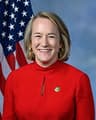 Nikki Budzinski
Democrat · Illinois
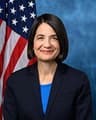 Becca Balint
Democrat · Vermont
 Janelle Bynum
Democrat · Oregon
 Emanuel Cleaver
Democrat · Missouri
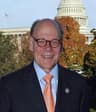 Steve Cohen
Democrat · Tennessee
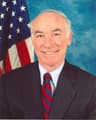 Joe Courtney
Democrat · Connecticut
 André Carson
Democrat · Indiana
 Gerald Connolly
Democrat · Virginia
 Judy Chu
Democrat · California
 Salud Carbajal
Democrat · California
 Sean Casten
Democrat · Illinois
 Angie Craig
Democrat · Minnesota
 Danny Davis
Democrat · Illinois
 Diana DeGette
Democrat · Colorado
 Rosa DeLauro
Democrat · Connecticut
 Lloyd Doggett
Democrat · Texas
 Suzan DelBene
Democrat · Washington
 Debbie Dingell
Democrat · Michigan
 Maxine Dexter
Democrat · Oregon
 Adriano Espaillat
Democrat · New York
 Bill Foster
Democrat · Illinois
 Jesús García
Democrat · Illinois
 Adelita Grijalva
Democrat · Arizona
 Jared Huffman
Democrat · California
 Jahana Hayes
Democrat · Connecticut
 Val Hoyle
Democrat · Oregon
 Pramila Jayapal
Democrat · Washington
 Sara Jacobs
Democrat · California
 Robin Kelly
Democrat · Illinois
 Raja Krishnamoorthi
Democrat · Illinois
 Teresa Leger Fernandez
Democrat · New Mexico
 Zoe Lofgren
Democrat · California
 Rick Larsen
Democrat · Washington
 Stephen Lynch
Democrat · Massachusetts
 Ted Lieu
Democrat · California
 Mike Levin
Democrat · California
 Summer Lee
Democrat · Pennsylvania
 Sam Liccardo
Democrat · California
 James McGovern
Democrat · Massachusetts
 Gregory Meeks
Democrat · New York
 Betty McCollum
Democrat · Minnesota
 Gwen Moore
Democrat · Wisconsin
 Doris Matsui
Democrat · California
 Grace Meng
Democrat · New York
 Seth Moulton
Democrat · Massachusetts
 Kevin Mullin
Democrat · California
 Robert Menendez
Democrat · New Jersey
 Kelly Morrison
Democrat · Minnesota
 Richard Neal
Democrat · Massachusetts
 Eleanor Norton
Democrat · District of Columbia
 Donald Norcross
Democrat · New Jersey
 Joe Neguse
Democrat · Colorado
 Ilhan Omar
Democrat · Minnesota
 Frank Pallone
Democrat · New Jersey
 Chellie Pingree
Democrat · Maine
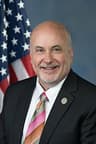 Mark Pocan
Democrat · Wisconsin
 Jimmy Panetta
Democrat · California
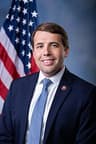 Chris Pappas
Democrat · New Hampshire
 Mike Quigley
Democrat · Illinois
 Delia Ramirez
Democrat · Illinois
 Adam Smith
Democrat · Washington
 Janice Schakowsky
Democrat · Illinois
 Linda Sánchez
Democrat · California
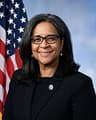 Marilyn Strickland
Democrat · Washington
 Mary Gay Scanlon
Democrat · Pennsylvania
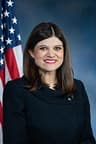 Haley Stevens
Democrat · Michigan
 Kim Schrier
Democrat · Washington
 Eric Sorensen
Democrat · Illinois
 Andrea Salinas
Democrat · Oregon
 Lateefah Simon
Democrat · California
 Mike Thompson
Democrat · California
 Paul Tonko
Democrat · New York
 Rashida Tlaib
Democrat · Michigan
 Lori Trahan
Democrat · Massachusetts
 Jill Tokuda
Democrat · Hawaii
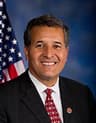 Juan Vargas
Democrat · California
 Gabe Vasquez
Democrat · New Mexico
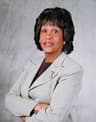 Maxine Waters
Democrat · California