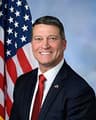
A Republican bill with 16 Republican cosponsors · See all 16 cosponsors
Last activity — Referred to the House Committee on Energy and Commerce.
In committee
Introduced and handed to a committee in the chamber it started in.
The committee holds it, and most bills are never heard from again. A hearing or a committee vote would be news; silence is the usual outcome, and it kills the bill without anyone voting against it.
Its path through Congress
- Introduced
- In Committee
What this bill would do
This bill, titled the "No Partisan Radio and Partisan Broadcasting Services Act," aims to stop federal funding for specific broadcasting outlets. It specifically targets National Public Radio and the Public Broadcasting Service. The legislation prohibits federal funds from being provided directly or indirectly to these organizations. It also prevents public broadcast stations from using federal funds to pay dues to or purchase programming from them. This mandate applies to any successor organizations as well.
Yes
- Scored +1
Does this reduce what the federal government owes?
By eliminating federal funding for NPR and PBS, the bill slightly reduces government spending.
- Scored +1
Does this reduce what the federal government spends?
The bill mandates the cessation of federal funds for specific broadcasting organizations.
- Scored +1
Does this make the government pay for what it commits to?
The bill reduces federal outlays by cutting specific organizational funding.
The opposite· 3 of 6
- Scored -2
Does this put more money into public schools?
The bill reduces available funds for public broadcasting, which may impact educational programming.
- Scored -1
Would children be better off under this?
Reducing funding for public broadcasting may limit educational content available to children.
- Scored -1
Would households on low incomes be better off under this?
Loss of public media services may reduce access to free, high-quality informational resources.
Who it would affect, and how
Potential Positive Impacts for People
- Elimination of Taxpayer Funding: The bill seeks to eliminate taxpayer funding for National Public Radio and the Public Broadcasting Service (Section 2). This would mean these organizations no longer receive money from federal funds.
Potential Negative Impacts for People
- Prohibition of Federal Support: Under Section 2(a), no federal funds can be used to support National Public Radio or the Public Broadcasting Service, even indirectly. This includes preventing public broadcast stations from using federal funds to pay dues to or purchase programming from these organizations.
Groups and Interests Ranking
Every group the model scored this bill for, from -10 to +10. Tap or hover a score for the reason it gave.
- Demographic And Interest Groups
- Would children be better off under this? — Reducing funding for public broadcasting may limit educational content available to children. Would households on low incomes be better off under this? — Loss of public media services may reduce access to free, high-quality informational resources. Would students be better off under this? — Eliminating funding for public broadcasting may reduce the availability of educational media.
- Economy And Finance
- Does this make the government pay for what it commits to? — The bill reduces federal outlays by cutting specific organizational funding. Does this reduce what the federal government spends? — The bill mandates the cessation of federal funds for specific broadcasting organizations. Does this reduce what the federal government owes? — By eliminating federal funding for NPR and PBS, the bill slightly reduces government spending.
- Education And Technology
- Does this put more money into public schools? — The bill reduces available funds for public broadcasting, which may impact educational programming. Does this get reliable internet to more people? — Loss of public broadcasting support may reduce access to free educational media content.
- Governance And Ideology
- Does this give the federal government more power? — The bill uses federal authority to restrict funding to specific entities.
- 6/9/2025
- 1 Cosponsor added.
- 6/3/2025
- 1 Cosponsor added.
- 3/31/2025
- 2 Cosponsors added.
- 3/27/2025
- Referred to the House Committee on Energy and Commerce.
- 12 Cosponsors added.
- Introduced in House
 Jodey Arrington
Republican · Texas
 Andy Biggs
Republican · Arizona
 Tim Burchett
Republican · Tennessee
 Michael Cloud
Republican · Texas
 Mike Collins
Republican · Georgia
 Neal Dunn
Republican · Florida
 Paul Gosar
Republican · Arizona
 Marjorie Greene
Republican · Georgia
 Tom McClintock
Republican · California
 John McGuire
Republican · Virginia
 Troy Nehls
Republican · Texas
 Ralph Norman
Republican · South Carolina
 Chip Roy
Republican · Texas
 W. Steube
Republican · Florida
 Keith Self
Republican · Texas
 Randy Weber
Republican · Texas