Bill · H.R. 236· House(119-HR-236)
Federal Employee Return to Work Act
- Introduced
- 1/7/2025
- Last activity
- 1/7/2025 — Referred to the House Committee on Oversight and Government Reform.
- Sponsored by
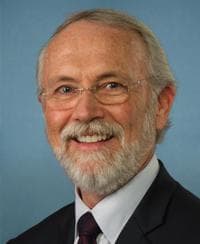
- Dan Newhouse
- Cosponsors
- - 21 - 0
- Introduced
- In Committee
What this bill would do
The ``Federal Employee Return to Work Act'' aims to prohibit specific telework employees from receiving certain annual pay adjustments. A "covered employee" is defined as someone who teleworks at least one day a week, or 20 percent of the time under an alternative work schedule. This definition excludes disabled employees receiving reasonable accommodations, members of the Foreign Service, Federal law enforcement officers, and members of the Armed Forces on active duty. Under this bill, covered employees are prohibited from receiving annual adjustments under section 5303 of title 5, United States Code. Instead, these employees must be paid at the rate of basic pay designated for the "Rest of U.S." locality pay area. The Act takes effect on the first day of the first full fiscal year after it is enacted.
Yes
Does this reduce what the federal government spends?+3
The bill reduces federal payroll costs by prohibiting annual pay adjustments and capping pay at the 'Rest of U.S.' locality rate for teleworking employees.
Would people with disabilities be better off under this?+1
The bill protects disabled employees from the pay reductions by exempting those receiving reasonable accommodations from the 'covered employee' definition.
Does this expand the rights of people with disabilities?+1
The bill explicitly excludes disabled employees receiving reasonable accommodations from the pay reductions applied to other teleworkers.
The opposite
Would middle-income households be better off under this?-3
Federal employees who telework will likely experience a reduction in income due to the loss of annual pay adjustments and lower locality pay rates.
Who it would affect, and how
Potential Positive Impacts for People
The provided text does not list any specific provisions that describe a positive outcome or benefit for individuals or groups.
Potential Negative Impacts for People
-
Loss of Annual Pay Adjustments: Covered employees are prohibited from receiving annual adjustments under section 5303 of title 5, United States Code (Section 3).
-
Restricted Locality Pay: Covered employees shall be paid at the rate of basic pay for the locality pay area designated as ``Rest of U.S.,'' and this rate shall not be adjusted under section 5304 of title 5, United States Code (Section 4).
Groups and Interests Ranking
Every group the model scored this bill for, from -10 to +10. Hover a score for the reason it gave.
- Economy And Finance
- Reduces Government Spending+3
- Demographic And Interest Groups
- Good For People With Disabilities+1Good For Middle Class Households-3
- Social Issues And Justice
- Improves Disability Rights+1
- 2/5/2025
- 1 Cosponsor added.
- 1/21/2025
- 1 Cosponsor added.
- 1/15/2025
- 3 Cosponsors added.
- 1/9/2025
- 4 Cosponsors added.
- 1/7/2025
- Referred to the House Committee on Oversight and Government Reform.
- 12 Cosponsors added.
- Introduced in House
One bill Congress.gov lists as related to this one — companions in the other chamber, earlier versions, and bills this one absorbed or was folded into.
 Lauren Boebert
Republican · Colorado
 Tom Barrett
Republican · Michigan
 Earl Carter
Republican · Georgia
 Mike Collins
Republican · Georgia
 Juan Ciscomani
Republican · Arizona
 Jake Ellzey
Republican · Texas
 Pat Fallon
Republican · Texas
 Charles Fleischmann
Republican · Tennessee
 Brad Finstad
Republican · Minnesota
 Andy Harris
Republican · Maryland
 Richard Hudson
Republican · North Carolina
 Ashley Hinson
Republican · Iowa
 Pat Harrigan
Republican · North Carolina
 Mike Kelly
Republican · Pennsylvania
 Doug LaMalfa
Republican · California
 Nicole Malliotakis
Republican · New York
 Daniel Meuser
Republican · Pennsylvania
 Zachary Nunn
Republican · Iowa
 Harold Rogers
Republican · Kentucky
 William Timmons
Republican · South Carolina
 Randy Weber
Republican · Texas