
A Republican bill with 12 Republican cosponsors · See all 12 cosponsors
Last activity — Referred to the House Committee on Appropriations.
In committee
Introduced and handed to a committee in the chamber it started in.
The committee holds it, and most bills are never heard from again. A hearing or a committee vote would be news; silence is the usual outcome, and it kills the bill without anyone voting against it.
Its path through Congress
- Introduced
- In Committee
What this bill would do
This bill, known as the "Veterans First Act of 2025," seeks to move funds between federal agencies. It proposes to permanently rescind $2,000,000,000 from the unobligated balance of the United States Agency for International Development. That same $2,000,000,000 would then be appropriated to the Department of Veterans Affairs. The new funds are intended for grants to help States acquire or build nursing homes and domiciliary facilities. It also covers remodeling or altering existing facilities to provide care for veterans.
Yes· 3 of 5
- Scored +8
Would veterans be better off under this, taking everything together?
Provides significant new funding for the construction and renovation of veteran-specific residential care facilities.
- Scored +7
Would people over 65 be better off under this?
The bill funds nursing homes and domiciliary facilities which are critical for aging populations, specifically veterans.
- Scored +7
Would retired people be better off under this?
Improves infrastructure for nursing homes which is a key concern for retirees and elderly care.
The opposite
- Scored -7
Does this send more money or help to other countries?
The bill permanently rescinds $2 billion that was previously allocated to USAID, reducing available international development funds.
- Scored -5
Would immigrants be better off under this?
The reduction in USAID funding may negatively impact international assistance programs often linked to immigrant drivers.
Who it would affect, and how
Potential Positive Impacts for People
-
Support for Veteran Care Facilities: The bill appropriates $2,000,000,000 to the Department of Veterans Affairs to help States acquire, construct, or remodel nursing homes and domiciliary facilities (Section 2, subsection b). This could benefit veterans by providing better or new locations to receive care.
-
Long-term Funding Availability: The appropriated funds are designated to remain available until they are expended (Section 2, subsection b). This provides a sustained way to fund the construction and modification of facilities for veterans.
Potential Negative Impacts for People
- Reduction in International Development Funds: The bill permanently rescinds $2,000,000,000 from the unobligated balance of the United States Agency for International Development (Section 2, subsection a). This represents a removal of funds originally made available to that agency.
Groups and Interests Ranking
Every group the model scored this bill for, from -10 to +10. Tap or hover a score for the reason it gave.
- Demographic And Interest Groups
- Would veterans be better off under this, taking everything together? — Provides significant new funding for the construction and renovation of veteran-specific residential care facilities. Would retired people be better off under this? — Improves infrastructure for nursing homes which is a key concern for retirees and elderly care. Would people over 65 be better off under this? — The bill funds nursing homes and domiciliary facilities which are critical for aging populations, specifically veterans. Would immigrants be better off under this? — The reduction in USAID funding may negatively impact international assistance programs often linked to immigrant drivers.
- Healthcare
- Does this help veterans get medical care? — The bill provides $2 billion for the construction and remodeling of nursing homes and domiciliary facilities specifically for veteran care.
- National Security And Foreign Policy
- Does this increase the pay, pensions or support veterans receive? — Directly funds the construction of specialized housing and care facilities for veterans. Does this send more money or help to other countries? — The bill permanently rescinds $2 billion that was previously allocated to USAID, reducing available international development funds.
- 6/26/2025
- 1 Cosponsor added.
- 4/28/2025
- 1 Cosponsor added.
- 4/9/2025
- 1 Cosponsor added.
- 3/31/2025
- 2 Cosponsors added.
- 3/14/2025
- 2 Cosponsors added.
- 3/11/2025
- Referred to the House Committee on Appropriations.
- 5 Cosponsors added.
- Introduced in House
One bill Congress.gov lists as related to this one — companions in the other chamber, earlier versions, and bills this one absorbed or was folded into.
 Mike Collins
Republican · Georgia
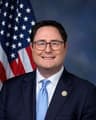 Mike Flood
Republican · Nebraska
 Brad Finstad
Republican · Minnesota
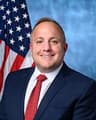 Russell Fry
Republican · South Carolina
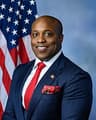 Wesley Hunt
Republican · Texas
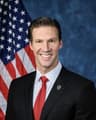 Pat Harrigan
Republican · North Carolina
 Nick LaLota
Republican · New York
 Barry Moore
Republican · Alabama
 Jay Obernolte
Republican · California
 Robert Onder
Republican · Missouri
 Michael Turner
Republican · Ohio
 Tony Wied
Republican · Wisconsin