Bill · S.Res. 449· Senate(119-SRES-449)
A resolution designating the week beginning on October 12, 2025, as "National Wildlife Refuge Week".
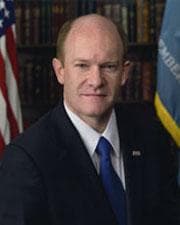
- Introduced
- 10/9/2025
- Last activity
- 10/15/2025 — Resolution agreed to in Senate without amendment and with a preamble by Unanimous Consent. (consideration: CR S7141)
- Sponsored by
- Christopher Coons
- Cosponsors
- - 12 - 2
- Introduced
- Adopted by the Senate
A Senate resolution is the Senate speaking for itself: stating a position, honouring someone, or setting its own rules. Adopting it is the whole process. Once the Senate agrees to it, it is officially the Senate's word; it is not a law, so the House and the President have no part in it.
What this bill would do
This resolution designates the week of October 12, 2025, as "National Wildlife Refuge Week." It recognizes the role of the National Wildlife Refuge System in wildlife conservation and the protection of ecosystems. The resolution highlights the recreational opportunities and economic benefits provided by these refuges to local communities. It also acknowledges the importance of cultural resource protection and tribal co-stewardship. Finally, the Senate expresses its intent to support the management of these lands for current and future generations.
Yes· 3 of 14
Does this better protect air, water and wildlife?+8
The resolution recognizes the role of the refuge system in conserving, managing, and restoring fish, wildlife, and plant resources.
Would Native Americans be better off under this?+7
The resolution emphasizes the importance of co-stewardship and meaningful engagement with Tribes and Native American organizations.
Does this better protect public land such as parks and forests?+6
The resolution expresses the Senate's intent to support the management of the National Wildlife Refuge System for current and future generations.
The opposite
No question was scored the opposite.
Who it would affect, and how
Potential Positive Impacts for People
-
Economic Growth: The National Wildlife Refuge System generates more than $3,200,000,000 for local economies and supports 41,000 jobs (Whereas clause). Additionally, for every dollar appropriated to the system, an average of approximately $5 is returned to local economies (Whereas clause).
-
Community Protection: More than 180 national wildlife refuges help protect communities by reducing the risk of storm-surge flooding, specifically in coastal areas and low-lying floodplains (Whereas clause). Many refuges also work to reduce wildfire risk by removing invasive species and thinning overgrown forests (Whereas clause).
-
Recreation and Heritage: Refuges offer diverse recreational opportunities including sustainable hunting, fishing, wildlife observation, and photography (Whereas clause). They also secure the hunting and fishing heritage of the United States for future generations (Resolution clause 6).
-
Community Inclusion and Youth Opportunities: Through the Urban Wildlife Conservation Program, the system works to dismantle barriers for underserved communities and provides education and employment opportunities to youth (Whereas clause; Resolution clause 7).
-
Cultural and Historical Preservation: The refuges protect important cultural and historic resources, including archaeological sites, World War II sites, and the home of the father of Harriet Tubman (Whereas clause).
-
Tribal Partnerships: The system emphasizes co-stewardship and meaningful engagement with Tribes, Alaska Native Corporations, Alaska Native organizations, and the Native Hawaiian community (Whereas clause; Resolution clause 8).
Potential Negative Impacts for People
- There are no specific negative impacts or burdens for individuals or groups of people mentioned in the provided text.
Groups and Interests Ranking
Every group the model scored this bill for, from -10 to +10. Hover a score for the reason it gave.
- Demographic And Interest Groups
- Good For Native Americans+7Good For Children+5Good For Urban Residents+5Good For Students+4Good For Young Adults+4Good For Low Income Households+3
- Environment Energy And Infrastructure
- Improves Environmental Protections+8Improves Public Land Management+6Reduces Carbon Emissions+3
- Economy And Finance
- Improves Economic Growth+5Increases Job Creation+5
- Social Issues And Justice
- Improves Racial Equity+4Improves Poverty Reduction+2
- Education And Technology
- Improves School Choice+2
- 10/15/2025
- Senate Committee on the Judiciary discharged by Unanimous Consent.
- Passed/agreed to in Senate: Resolution agreed to in Senate without amendment and with a preamble by Unanimous Consent.
- Resolution agreed to in Senate without amendment and with a preamble by Unanimous Consent. (consideration: CR S7141)
- 10/9/2025
- Referred to the Committee on the Judiciary. (text: CR S7098-7099)
- 14 Cosponsors added.
- Introduced in Senate
One bill Congress.gov lists as related to this one — companions in the other chamber, earlier versions, and bills this one absorbed or was folded into.
 Angela Alsobrooks
Democrat · Maryland
 Richard Blumenthal
Democrat · Connecticut
 Cory Booker
Democrat · New Jersey
 Lisa Blunt Rochester
Democrat · Delaware
 Susan Collins
Republican · Maine
 Martin Heinrich
Democrat · New Mexico
 Amy Klobuchar
Democrat · Minnesota
 John Kennedy
Republican · Louisiana
 Jeff Merkley
Democrat · Oregon
 Alex Padilla
Democrat · California
 John Reed
Democrat · Rhode Island
 Chris Van Hollen
Democrat · Maryland
 Peter Welch
Democrat · Vermont
 Sheldon Whitehouse
Democrat · Rhode Island