
Jeff Merkley (D-OR)
A resolution affirming the unwavering commitment of the Senate to the First Amendment and to freedom of speech and of the press as foundations of the democratic republic of the United States.
A Democratic resolution with 5 Democratic cosponsors · See all 6 cosponsors
Last activity — Referred to the Committee on the Judiciary.
In committee
Introduced and handed to a committee in the chamber it started in.
The committee holds it, and most bills are never heard from again. A hearing or a committee vote would be news; silence is the usual outcome, and it kills the bill without anyone voting against it.
Its path through Congress
- Introduced
- In Committee
A Senate resolution is the Senate speaking for itself: stating a position, honouring someone, or setting its own rules. Adopting it is the whole process. Once the Senate agrees to it, it is officially the Senate's word; it is not a law, so the House and the President have no part in it.
What this bill would do
This resolution aims to reaffirm the Senate's commitment to the First Amendment and the foundations of freedom of speech and the press. It calls on the President to commit to free speech in a manner consistent with the Constitution. The resolution declares that media independence must be protected from government interference regarding editorial content. It specifically condemns using licenses or regulatory authority to punish or intimidate media organizations based on their viewpoints. Additionally, it directs federal agency heads to uphold protected speech and avoid using regulations as tools of repression. Finally, it rebukes any political violence directed at those exercising their free speech rights.
Yes· 3 of 6
- Scored +10
Does this protect the individual right to speak freely?
The resolution affirms the right to free speech and protects against political violence aimed at those exercising it.
- Scored +10
Does this protect what people are allowed to say in public life?
The resolution explicitly reaffirms and protects the First Amendment and freedom of the press from government interference.
- Scored +2
Does this make what the government does easier for the public to see?
The resolution calls for agency heads to uphold constitutional speech protections against government overreach.
The opposite
- Scored -1
Does this put more rules on large technology companies?
The resolution opposes the use of regulatory powers to coerce speech, which could impact digital platforms.
Who it would affect, and how
Potential Positive Impacts for People
-
Protection of Media Independence: The resolution declares that media independence must be protected, ensuring that licensing or regulatory authority is not used to punish or intimidate organizations for their editorial content (Section 3 of the Resolution).
-
Protection Against Viewpoint Discrimination: By condemning threats to revoke or penalize media licenses based on content or viewpoints, the resolution aims to prevent government overreach (Section 4 of the Resolution).
-
Agency Accountability: The resolution calls on the FCC Chairman and other agency heads to affirm that they will not use licensing or regulations as a tool of repression (Section 5 of the Resolution).
-
Safety of Free Speech Exercise: The resolution includes a rebuke of the use of political violence against people who are exercising their protected free speech rights (Section 6 of the Resolution).
Potential Negative Impacts for People
- There are no specific provisions within the provided text that identify negative consequences or burdens for individuals or groups of people.
Groups and Interests Ranking
Every group the model scored this bill for, from -10 to +10. Tap or hover a score for the reason it gave.
- Governance And Ideology
- Does this protect the individual right to speak freely? — The resolution affirms the right to free speech and protects against political violence aimed at those exercising it. Does this make what the government does easier for the public to see? — The resolution calls for agency heads to uphold constitutional speech protections against government overreach. Does this protect people from being watched or searched? — Protecting media independence helps preserve the freedom of the press as a check on government power.
- Social Issues And Justice
- Does this protect what people are allowed to say in public life? — The resolution explicitly reaffirms and protects the First Amendment and freedom of the press from government interference.
- Demographic And Interest Groups
- Would people in cities be better off under this? — The protection of media independence ensures access to diverse information and press freedom in public discourse.
- Economy And Finance
- Does this give people more protection from unfair business practices? — The resolution protects media independence from government regulatory coercion.
- Education And Technology
- Does this put more rules on large technology companies? — The resolution opposes the use of regulatory powers to coerce speech, which could impact digital platforms.
- 10/3/2025
- 1 Cosponsor added.
- 9/30/2025
- Referred to the Committee on the Judiciary.
- 5 Cosponsors added.
- Introduced in Senate
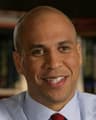 Cory Booker
Democrat · New Jersey
 Edward Markey
Democrat · Massachusetts
 Alex Padilla
Democrat · California
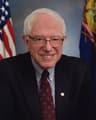 Bernie Sanders
Independent · Vermont
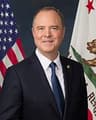 Adam Schiff
Democrat · California
 Chris Van Hollen
Democrat · Maryland