Bill · S. 627· Senate(119-S-627)
ENABLE Act
- Introduced
- 2/19/2025
- Last activity
- 2/19/2025 — Read twice and referred to the Committee on Finance.
- Sponsored by
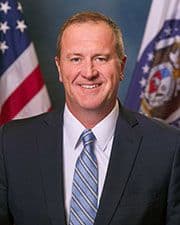
- Eric Schmitt
- Cosponsors
- - 8 - 8
- Introduced
- In Committee
What this bill would do
This bill, known as the "ENABLE Act," aims to amend the Internal Revenue Code of 1986. It seeks to make certain provisions regarding qualified ABLE programs permanent. Specifically, it addresses the extension of increased contributions to ABLE accounts. Additionally, the bill proposes a permanent extension of rollovers from 529 programs into ABLE programs. These changes are intended to ensure nationwide access to these financial tools.
Yes· 3 of 6
Would people with disabilities be better off under this?+5
The bill provides permanent security for ABLE account contribution limits and 529 rollovers.
Does this expand the rights of people with disabilities?+5
The bill makes increased contributions to ABLE accounts and 529-to-ABLE rollovers permanent, aiding financial planning for those with disabilities.
Would households on low incomes be better off under this?+3
The expansion of the Savers Credit provides potential tax relief for those contributing to ABLE accounts.
The opposite
No question was scored the opposite.
Who it would affect, and how
Potential Positive Impacts for People
-
Permanent Increased Contributions: Section 2(a) strikes the expiration date of "January 1, 2026" for certain provisions, which would make the increased contributions to ABLE accounts permanent.
-
Savers Credit Inclusion: Section 2(b)(1) modifies the definition of "qualified retirement savings contributions" to include amounts made by an eligible individual to an ABLE account. This allows these contributions to be part of the sum used to determine the Savers Credit.
-
Permanent Rollovers: Section 3(a) strikes the expiration date of "January 1, 2026" regarding rollovers from 529 programs to ABLE programs, making this capability permanent.
Potential Negative Impacts for People
- Repeal of SECURE 2.0 Act Provision: Section 2(b)(2) repeals a specific paragraph of the SECURE 2.0 Act of 2022, treating the code as though that paragraph was never enacted.
Groups and Interests Ranking
Every group the model scored this bill for, from -10 to +10. Hover a score for the reason it gave.
- Demographic And Interest Groups
- Good For People With Disabilities+5Good For Low Income Households+3
- Social Issues And Justice
- Improves Disability Rights+5Improves Poverty Reduction+2
- Economy And Finance
- Reduces Middle Class Taxes+3
- Education And Technology
- Improves College Affordability+2
- 5/6/2025
- 1 Cosponsor added.
- 3/31/2025
- 1 Cosponsor added.
- 2/27/2025
- 1 Cosponsor added.
- 2/19/2025
- Read twice and referred to the Committee on Finance.
- 13 Cosponsors added.
- Introduced in Senate
One bill Congress.gov lists as related to this one — companions in the other chamber, earlier versions, and bills this one absorbed or was folded into.
 John Boozman
Republican · Arkansas
 Katie Britt
Republican · Alabama
 Christopher Coons
Democrat · Delaware
 John Fetterman
Democrat · Pennsylvania
 Jon Husted
Republican · Ohio
 Amy Klobuchar
Democrat · Minnesota
 Mark Kelly
Democrat · Arizona
 Timothy Kaine
Democrat · Virginia
 Mike Lee
Republican · Utah
 Jerry Moran
Republican · Kansas
 Jon Ossoff
Democrat · Georgia
 Dan Sullivan
Republican · Alaska
 Tommy Tuberville
Republican · Alabama
 Thomas Tillis
Republican · North Carolina
 Chris Van Hollen
Democrat · Maryland
 Raphael Warnock
Democrat · Georgia