
A Republican bill with 3 Republican cosponsors · See all 3 cosponsors
Last activity — Read twice and referred to the Committee on Environment and Public Works.
In committee
Introduced and handed to a committee in the chamber it started in.
The committee holds it, and most bills are never heard from again. A hearing or a committee vote would be news; silence is the usual outcome, and it kills the bill without anyone voting against it.
Its path through Congress
- Introduced
- In Committee
What this bill would do
This bill, known as the "No IRIS Act of 2025," seeks to restrict how the Environmental Protection Agency operates. It specifically aims to prohibit the EPA from using assessments from the Integrated Risk Information System program as a primary data source. This restriction would apply to the development, finalization, or issuance of rules and regulations. Additionally, the ban covers any regulatory, enforcement, or permitting actions. Finally, it prevents these assessments from being used to inform air toxics assessments or other mapping and screening tools.
Yes
- Scored +3
Does this make it easier to run a small business?
The bill may reduce regulatory burdens on businesses by restricting the data the EPA uses for rulemaking and permitting.
The opposite· 3 of 9
- Scored -7
Does this better protect air, water and wildlife?
The bill limits the EPA's ability to use Integrated Risk Information System assessments to inform air toxics and other environmental safety standards.
- Scored -4
Would people in cities be better off under this?
Urban residents often rely on strict air quality and toxic assessment standards for health safety.
- Scored -3
Would households on low incomes be better off under this?
Reduced environmental oversight may disproportionately affect low-income communities often located near industrial zones.
Who it would affect, and how
Potential Positive Impacts for People
- There are no specific positive impacts or benefits for individuals or groups of people explicitly listed or described within the provided text of this bill.
Potential Negative Impacts for People
- There are no specific negative impacts or burdens for individuals or groups of people explicitly listed or described within the provided text of this bill.
Groups and Interests Ranking
Every group the model scored this bill for, from -10 to +10. Tap or hover a score for the reason it gave.
- Demographic And Interest Groups
- Would people in cities be better off under this? — Urban residents often rely on strict air quality and toxic assessment standards for health safety. Would Black Americans be better off under this? — Restricting toxicological data usage may negatively impact environmental justice protections for minority communities. Would Hispanic Americans be better off under this? — The bill could reduce the ability to monitor and regulate air toxics that affect minority populations. Would households on low incomes be better off under this? — Reduced environmental oversight may disproportionately affect low-income communities often located near industrial zones. Would Native Americans be better off under this? — Limiting EPA risk assessments may reduce environmental protections for indigenous lands.
- Environment Energy And Infrastructure
- Does this better protect air, water and wildlife? — The bill limits the EPA's ability to use Integrated Risk Information System assessments to inform air toxics and other environmental safety standards.
- Economy And Finance
- Does this make it easier to run a small business? — The bill may reduce regulatory burdens on businesses by restricting the data the EPA uses for rulemaking and permitting.
- Healthcare
- Does this make health care easier to get in general? — Restricting the use of toxicological assessments may impact the ability to proactively manage environmental health risks.
- Governance And Ideology
- Does this give the federal government more power? — The bill reduces the specific regulatory capacity and data-driven authority of the EPA.
- Social Issues And Justice
- Is this likely to lift people out of poverty? — Limiting environmental risk assessments could indirectly impact long-term public health and economic stability in vulnerable areas.
- 12/17/2025
- 1 Cosponsor added.
- 12/11/2025
- 1 Cosponsor added.
- 6/27/2025
- 1 Cosponsor added.
- 2/18/2025
- Read twice and referred to the Committee on Environment and Public Works.
- Introduced in Senate
One bill Congress.gov lists as related to this one — companions in the other chamber, earlier versions, and bills this one absorbed or was folded into.
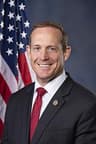 Ted Budd
Republican · North Carolina
 Tommy Tuberville
Republican · Alabama
 Roger Wicker
Republican · Mississippi