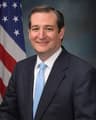
A Republican bill with 7 Republican cosponsors · See all 7 cosponsors
Last activity — Read twice and referred to the Committee on Finance.
In committee
Introduced and handed to a committee in the chamber it started in.
The committee holds it, and most bills are never heard from again. A hearing or a committee vote would be news; silence is the usual outcome, and it kills the bill without anyone voting against it.
Its path through Congress
- Introduced
- In Committee
What this bill would do
The Chemical Tax Repeal Act aims to change the Internal Revenue Code of 1986. It specifically focuses on repealing excise taxes that currently exist on taxable chemicals and taxable substances. This is achieved by striking subchapters B and C from Chapter 38 of the code. The bill is intended to remove these specific tax structures. The changes are set to take effect on January 1, 2025.
Yes· 3 of 8
- Scored +5
Would business owners be better off under this?
Business owners in chemical-dependent industries will benefit from the removal of these excise taxes.
- Scored +3
Would farmers be better off under this?
Farmers often rely on chemical substances and would benefit from the repeal of these taxes.
- Scored +3
Does this cut taxes for small businesses?
Removing excise taxes on chemicals and substances reduces the tax burden for small businesses that utilize these products.
The opposite
- Scored -4
Does this better protect air, water and wildlife?
The removal of taxes on chemicals may reduce the economic deterrents for using certain industrial substances.
- Scored -3
Does this reduce what the federal government spends?
The repeal of these excise taxes will reduce federal tax revenue.
Who it would affect, and how
Potential Positive Impacts for People
- Repeal of excise taxes on chemicals and substances: By striking subchapters B and C of Chapter 38 from the Internal Revenue Code of 1986, the bill removes the taxes currently placed on taxable chemicals and taxable substances (Section 2(a)).
Potential Negative Impacts for People
- No specific negative impacts are mentioned in the provided text.
Groups and Interests Ranking
Every group the model scored this bill for, from -10 to +10. Tap or hover a score for the reason it gave.
- Demographic And Interest Groups
- Would business owners be better off under this? — Business owners in chemical-dependent industries will benefit from the removal of these excise taxes. Would farmers be better off under this? — Farmers often rely on chemical substances and would benefit from the repeal of these taxes. Would households on low incomes be better off under this? — Lowering production costs for chemicals may lead to lower consumer prices for various goods. Would middle-income households be better off under this? — The repeal may reduce the cost of goods and services that rely on chemical substances.
- Economy And Finance
- Does this make it easier to run a small business? — Eliminating specific excise taxes provides direct cost relief to small businesses. Does this cut taxes for small businesses? — Removing excise taxes on chemicals and substances reduces the tax burden for small businesses that utilize these products. Is this likely to grow the economy? — Reducing costs for industrial inputs can stimulate economic activity. Is this likely to create jobs? — Reducing the tax burden on industrial inputs like chemicals may encourage business expansion and job growth. Does this reduce what the federal government spends? — The repeal of these excise taxes will reduce federal tax revenue.
- Environment Energy And Infrastructure
- Does this better protect air, water and wildlife? — The removal of taxes on chemicals may reduce the economic deterrents for using certain industrial substances.
- 6/12/2025
- 1 Cosponsor added.
- 4/28/2025
- 1 Cosponsor added.
- 3/14/2025
- 1 Cosponsor added.
- 2/18/2025
- Read twice and referred to the Committee on Finance.
- 4 Cosponsors added.
- Introduced in Senate
One bill Congress.gov lists as related to this one — companions in the other chamber, earlier versions, and bills this one absorbed or was folded into.
 John Barrasso
Republican · Wyoming
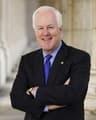 John Cornyn
Republican · Texas
 Bill Cassidy
Republican · Louisiana
 Joni Ernst
Republican · Iowa
 John Kennedy
Republican · Louisiana
 Mike Lee
Republican · Utah
 Markwayne Mullin
Republican · Oklahoma