Bill · S. 5482· Senate(119-S-5482)
PREP Act
- Introduced
- 9/23/2026
- Last activity
- 9/23/2026 — Read twice and referred to the Committee on the Judiciary.
- Sponsored by
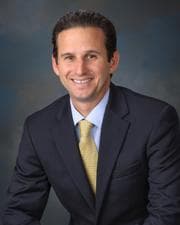
- Brian Schatz
- Cosponsors
- - 13 - 0
- Introduced
- In Committee
What this bill would do
This bill establishes an Office of Prison Education within the Bureau of Prisons to oversee and improve educational programs across Federal correctional facilities. The new office will coordinate the Federal Prison Education Program to partner with eligible education providers and offer services like adult literacy, high school education, postsecondary degrees, and workforce training. It also creates a public clearinghouse for prison education research and best practices to assist both Federal and State prison systems. Additionally, the legislation directs the Department of Veterans Affairs to conduct outreach and provide educational assistance and counseling to incarcerated veterans. Finally, the bill allocates specific funding from the Bureau of Prisons to support these educational programs from fiscal years 2027 through 2033.
Yes· 3 of 19
Would students be better off under this?+5
The legislation directly expands access to adult literacy, high school diplomas, postsecondary degrees, and vocational training for incarcerated learners.
Does this shorten or soften prison sentences?+5
Establishing the Office of Prison Education and robust federal prison education programs supports rehabilitation and successful community reentry.
Does this put more money into public schools?+5
The bill establishes and funds the Federal Prison Education Program and an Office of Prison Education to expand educational offerings in correctional facilities.
The opposite
No question was scored the opposite.
Who it would affect, and how
Potential Positive Impacts for People
-
Educational and Workforce Opportunities: Section 4 adds new section 4142 and 4143 to title 18, United States Code, which ensures the provision of educational services in Federal prisons, including adult literacy, high school diplomas, postsecondary education, and workforce development. This is positive because it helps incarcerated individuals gain valuable skills for the contemporary workforce and increases their chances of successful community reintegration.
-
Support for Incarcerated Veterans: Section 7 requires the Secretary of Veterans Affairs to coordinate with the Director of the Bureau of Prisons and State correctional agencies to inform incarcerated veterans about their potential eligibility for educational assistance. This is positive because it directly connects eligible veterans to quality education programs and provides them with financial aid and job counseling for when they are released.
-
Improved Research and State Assistance: Section 5 and Section 6 establish a nationwide clearinghouse for prison education research and require the Assistant Director to provide training and technical assistance to State prison systems. This is beneficial because sharing best practices and supporting State correctional institutions can help improve educational outcomes and safety across prison environments nationwide.
Potential Negative Impacts for People
-
Restriction on Veterans' Financial Benefits: Section 7(b)(1) states that a veteran with a felony conviction who is incarcerated in a Federal or State correctional facility may not receive any monthly housing stipend or subsistence allowance while incarcerated. This is a burden because it withholds specific financial support that non-incarcerated veterans rely on for housing and daily living expenses while pursuing their education.
-
Reduction in Educational Assistance Coverage: Section 7(b)(2) requires the Secretary of Veterans Affairs to reduce the amount of educational assistance provided to an incarcerated veteran for tuition, fees, and supplies by an amount equal to what is paid by another Federal, State, or local program. This could be seen as a negative consequence because it limits the total financial aid a veteran can utilize if they are receiving assistance from multiple government sources.
-
Cost-Sharing Limitations: Section 4 adds new section 4143(g) to title 18, United States Code, which specifies that the Federal share of the cost for an academic program cannot exceed 75 percent of the total cost. This could place a financial burden on eligible providers or partner entities who must secure the remaining funds from non-Federal sources to operate the programs.
Groups and Interests Ranking
Every group the model scored this bill for, from -10 to +10. Hover a score for the reason it gave.
- Demographic And Interest Groups
- Good For Students+5Good For Low Income Households+4Good For Veterans+4Good For People With Disabilities+3Good For Young Adults+3
- Social Issues And Justice
- Improves Criminal Sentencing Reform+5Improves Poverty Reduction+4Improves Disability Rights+3Improves Racial Equity+3
- Economy And Finance
- Reduces Government Spending+4Increases Job Creation+3Improves Economic Growth+2Improves Fiscal Responsibility+2
- Education And Technology
- Increases Public School Funding+5Improves College Affordability+4Improves Student Loan Relief+2
- Governance And Ideology
- Improves Government Transparency+3Increases Federal Power+2
- National Security And Foreign Policy
- Improves Veterans Benefits+3
- 9/24/2026
- 1 Cosponsor added.
- 9/23/2026
- Read twice and referred to the Committee on the Judiciary.
- 13 Cosponsors added.
- Introduced in Senate
 Richard Blumenthal
Democrat · Connecticut
 Cory Booker
Democrat · New Jersey
 Richard Durbin
Democrat · Illinois
 John Fetterman
Democrat · Pennsylvania
 Amy Klobuchar
Democrat · Minnesota
 Angus King
Independent · Maine
 Jeff Merkley
Democrat · Oregon
 Alex Padilla
Democrat · California
 Adam Schiff
Democrat · California
 Tina Smith
Democrat · Minnesota
 Chris Van Hollen
Democrat · Maryland
 Ron Wyden
Democrat · Oregon
 Peter Welch
Democrat · Vermont
 Sheldon Whitehouse
Democrat · Rhode Island