Bill · S. 5232· Senate(119-S-5232)
Rural Residency Planning and Development Act of 2026
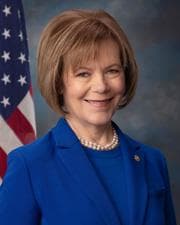
- Introduced
- 8/4/2026
- Last activity
- 8/4/2026 — Read twice and referred to the Committee on Health, Education, Labor, and Pensions.
- Sponsored by
- Tina Smith
- Cosponsors
- - 0 - 1
- Introduced
- In Committee
What this bill would do
The Rural Residency Planning and Development Act of 2026 aims to amend the Public Health Service Act. This bill seeks to authorize grant programs to help establish new rural residency programs. It also creates a technical assistance program to support awardees and potential applicants. These programs focus on training residents in rural areas for various medical pathways, such as primary care and maternal health. The bill authorizes specific funding amounts for each fiscal year from 2027 through 2031.
Yes· 3 of 9
Would people in rural areas be better off under this?+8
The bill directly targets the improvement of healthcare access and physician presence in rural areas.
Does this make health care easier to get in general?+7
The bill aims to increase the physician workforce in rural areas through new residency programs.
Does this invest in rural communities?+6
The bill invests in the development of medical infrastructure and training in rural areas.
The opposite
No question was scored the opposite.
Who it would affect, and how
Potential Positive Impacts for People
-
Establishment of new residency programs: The Secretary can award grants to entities to create new rural residency programs or add new training sites to existing ones (Section 2(a)(1)(A)). This could help increase the number of physicians training in rural locations.
-
Diverse medical training pathways: The bill supports pathways for general primary care, high-need specialty care (such as family medicine, internal medicine, preventive medicine, psychiatry, or general surgery), and maternal health/obstetrics (Section 2(a)(2)(B)). This targets specific medical needs in rural areas.
-
Technical support for applicants: A technical assistance program is authorized to help entities apply for and run these programs (Section 2(b)(1)(A)).
-
Broad eligibility for community organizations: The bill allows various entities, including Indian Tribes, rural hospitals, and community-based organizations, to apply for grants (Section 2(c)(1)). This ensures diverse local organizations can participate in workforce development.
Potential Negative Impacts for People
- No specific negative impacts are explicitly mentioned in the text provided.
Groups and Interests Ranking
Every group the model scored this bill for, from -10 to +10. Hover a score for the reason it gave.
- Demographic And Interest Groups
- Good For Rural Residents+8Good For Native Americans+5Good For Women+5Good For African Americans+3Good For Students+3
- Healthcare
- Improves Healthcare Access+7Improves Mental Health Access+5
- Environment Energy And Infrastructure
- Improves Rural Development+6
- Social Issues And Justice
- Improves Racial Equity+4
- 8/4/2026
- Read twice and referred to the Committee on Health, Education, Labor, and Pensions.
- 1 Cosponsor added.
- Introduced in Senate
One bill Congress.gov lists as related to this one — companions in the other chamber, earlier versions, and bills this one absorbed or was folded into.
 Susan Collins
Republican · Maine