Bill · S. 4859· Senate(119-S-4859)
Pell Grant Preservation and Expansion Act of 2026
- Introduced
- 6/23/2026
- Last activity
- 6/23/2026 — Read twice and referred to the Committee on Health, Education, Labor, and Pensions.
- Sponsored by
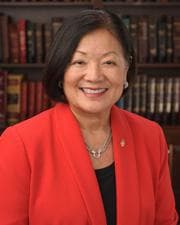
- Mazie Hirono
- Cosponsors
- - 29 - 0
- Introduced
- In Committee
What this bill would do
This bill is called the Pell Grant Preservation and Expansion Act of 2026. It aims to improve and fully fund the Federal Pell Grant program for college students. The bill gradually increases the maximum Pell Grant award amount each year until it reaches $15,000, and adjusts it for inflation after that. It also expands who can get these grants, including certain non-citizen students and people who receive means-tested benefits. Additionally, the legislation extends the total number of semesters a student can receive a Pell Grant and changes rules around academic progress.
Yes· 3 of 8
Would households on low incomes be better off under this?+10
The bill increases maximum grant amounts and provides special aid index rules for recipients of means-tested benefits.
Would students be better off under this?+10
The bill increases grant amounts, extends eligibility duration, and reduces academic progress penalties.
Does this make college cost less?+10
The bill significantly increases the maximum Pell Grant amount, protects it against inflation, and expands eligibility to Dreamer students.
The opposite
Does this reduce what the federal government spends?-2
The bill transitions Pell Grants to a mandatory funding model, which creates a permanent and growing federal spending obligation.
Who it would affect, and how
Potential Positive Impacts for People
-
Higher maximum grant amounts: Section 4 increases the maximum Pell Grant award amount year by year, starting at $10,000 for the 2026-2027 award year and reaching $15,000 for the 2031-2032 award year, with yearly inflation adjustments following that. This gives students significantly more money to help pay for college.
-
Extra help for benefit recipients: Section 5 sets the student aid index to -$1,500 for applicants who have received benefits from a means-tested Federal benefit program within the previous two years. This allows these individuals to qualify for increased Pell Grant awards that exceed the standard maximum amount.
-
Inclusion of Dreamer students: Section 6 allows Dreamer students who meet specific education, military service, or deferred action criteria to be eligible for federal student financial aid. This opens up financial support for individuals who were previously excluded due to citizenship status.
-
More semesters of eligibility: Section 7 increases the total number of semesters a student can receive a Federal Pell Grant from 12 semesters to 18 semesters. This gives students more time to finish their education while still receiving financial help.
-
Fairer academic progress rules: Section 8 updates satisfactory academic progress policies and allows students who have been out of school for two years to reset their financial aid eligibility up to two times. This prevents past academic struggles from permanently blocking students from getting financial aid when they try to return to school.
-
Restoring grants for scholarship recipients: Section 9 removes a restriction that previously made students whose non-federal grants and scholarships equaled or exceeded their cost of attendance ineligible for a Federal Pell Grant. This ensures students can keep both their scholarships and their Pell Grants.
Potential Negative Impacts for People
Based on the text provided, there are no specific sections or provisions identified that would cause negative consequences or burdens for individuals or groups of people in the United States.
Groups and Interests Ranking
Every group the model scored this bill for, from -10 to +10. Hover a score for the reason it gave.
- Demographic And Interest Groups
- Good For Low Income Households+10Good For Students+10Good For Hispanic Americans+8Good For Young Adults+8Good For African Americans+7Good For Immigrants+7
- Education And Technology
- Improves College Affordability+10
- Social Issues And Justice
- Improves Pathway To Citizenship+5
- Economy And Finance
- Reduces Government Spending-2
- 9/23/2026
- 1 Cosponsor added.
- 7/23/2026
- 1 Cosponsor added.
- 6/24/2026
- 3 Cosponsors added.
- 6/23/2026
- Read twice and referred to the Committee on Health, Education, Labor, and Pensions.
- 25 Cosponsors added.
- Introduced in Senate
3 bills Congress.gov lists as related to this one — companions in the other chamber, earlier versions, and bills this one absorbed or was folded into.
 Angela Alsobrooks
Democrat · Maryland
 Tammy Baldwin
Democrat · Wisconsin
 Michael Bennet
Democrat · Colorado
 Richard Blumenthal
Democrat · Connecticut
 Cory Booker
Democrat · New Jersey
 Richard Durbin
Democrat · Illinois
 Tammy Duckworth
Democrat · Illinois
 John Fetterman
Democrat · Pennsylvania
 Kirsten Gillibrand
Democrat · New York
 Martin Heinrich
Democrat · New Mexico
 Amy Klobuchar
Democrat · Minnesota
 Angus King
Independent · Maine
 Timothy Kaine
Democrat · Virginia
 Andy Kim
Democrat · New Jersey
 Ben Luján
Democrat · New Mexico
 Edward Markey
Democrat · Massachusetts
 Patty Murray
Democrat · Washington
 Christopher Murphy
Democrat · Connecticut
 Jeff Merkley
Democrat · Oregon
 Jon Ossoff
Democrat · Georgia
 Alex Padilla
Democrat · California
 John Reed
Democrat · Rhode Island
 Adam Schiff
Democrat · California
 Jeanne Shaheen
Democrat · New Hampshire
 Tina Smith
Democrat · Minnesota
 Chris Van Hollen
Democrat · Maryland
 Ron Wyden
Democrat · Oregon
 Raphael Warnock
Democrat · Georgia
 Sheldon Whitehouse
Democrat · Rhode Island
 Elizabeth Warren
Democrat · Massachusetts