 Bill · S. 483· Senate(119-S-483)
Responsibility in Drug Advertising Act of 2025
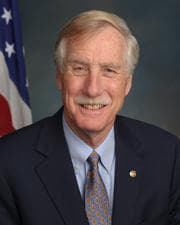
- Introduced
- 2/6/2025
- Last activity
- 2/6/2025 — Read twice and referred to the Committee on Health, Education, Labor, and Pensions.
- Sponsored by
- Angus King
- Cosponsors
- - 0 - 2
- Introduced
- In Committee
What this bill would do
The ``Responsibility in Drug Advertising Act of 2025'' seeks to amend the Federal Food, Drug, and Cosmetic Act. This legislation aims to restrict direct-to-consumer drug advertising, including on social media platforms. Under the new rules, persons would be prohibited from conducting such advertising for a drug approved under section 505(c) for the first three years following its approval. The Secretary has the authority to grant waivers for this restriction if advertising provides affirmative value to public health. Additionally, the Secretary may prohibit advertising after the initial three-year period if the drug is found to have significant adverse health effects.
Yes
No question was scored yes.
The opposite· 3 of 6
Does this make health care easier to get in general?-3
Limiting direct-to-consumer advertising for three years may reduce patient awareness of new medical treatments and options.
Would people over 65 be better off under this?-2
The restriction on advertising may limit the ability of seniors to discover new medications via direct-to-consumer channels.
Would households on low incomes be better off under this?-2
Reduced access to drug advertising may limit the awareness of new treatments among low-income populations.
Who it would affect, and how
Potential Positive Impacts for People
-
Restriction of early advertising: No person shall conduct direct-to-consumer advertising of a drug approved under section 505(c) before the end of a 3-year period starting from the date of approval (Section 506M(a)(1)(A)). This could limit the exposure of new drugs to the public during their initial years on the market.
-
Protection against drugs with adverse effects: The Secretary may prohibit advertising after the initial three-year period if the drug has significant adverse health effects based on various studies or reports (Section 506M(a)(2)). This serves as a safeguard based on post-approval data and risk-benefit analyses.
Potential Negative Impacts for People
-
Limits on advertising access: The bill prohibits direct-to-consumer advertising, including on social media, for the first three years of a drug's approval (Section 506M(a)(1)(A)). This restriction applies unless a specific waiver is granted by the Secretary.
-
Potential for advertising bans after three years: The Secretary has the power to prohibit advertising of a drug after the three-year mark if significant adverse health effects are determined through various resources (Section 506M(a)(2)).
Groups and Interests Ranking
Every group the model scored this bill for, from -10 to +10. Hover a score for the reason it gave.
- Demographic And Interest Groups
- Good For Low Income Households-2Good For Seniors-2Good For Women-2
- Healthcare
- Improves Healthcare Access-3Reduces Prescription Drug Costs-2
- Governance And Ideology
- Improves Government Transparency-1
- 2/6/2025
- Read twice and referred to the Committee on Health, Education, Labor, and Pensions.
- 2 Cosponsors added.
- Introduced in Senate
One bill Congress.gov lists as related to this one — companions in the other chamber, earlier versions, and bills this one absorbed or was folded into.
 Timothy Kaine
Democrat · Virginia
 Peter Welch
Democrat · Vermont