Bill · S. 4666· Senate(119-S-4666)
Respect Tribal IDs Act of 2026
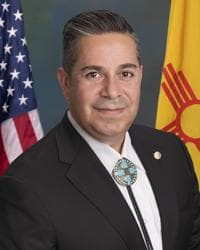
- Introduced
- 6/2/2026
- Last activity
- 6/2/2026 — Read twice and referred to the Committee on the Judiciary.
- Sponsored by
- Ben Luján
- Cosponsors
- - 2 - 0
- Introduced
- In Committee
What this bill would do
This bill is known as the Respect Tribal IDs Act of 2026. It requires officers and employees of the Department of Homeland Security to receive specific training regarding Indian tribes. The Secretary of Homeland Security must develop training curricula in collaboration with the Bureau of Indian Affairs and in consultation with representatives of Indian tribes. Immigration enforcement officers and employees must complete this training and annual retraining before performing immigration enforcement duties. The bill also requires the Secretary of Homeland Security to submit a report on the development and implementation of the training to specific congressional committees within one year of enactment.
Yes· 3 of 7
Would Native Americans be better off under this?+7
The bill directly benefits Native Americans by ensuring tribal documents are recognized as proof of citizenship and improving DHS interactions.
Does this narrow racial gaps in how people are treated?+5
The bill improves recognition and respect for Native American tribal documents and citizenship rights.
Does this change how police departments operate?+4
It mandates specialized cultural and identification training for DHS immigration enforcement personnel.
The opposite
No question was scored the opposite.
Who it would affect, and how
Potential Positive Impacts for People
-
Section 2(a), adding Section 287(i)(1)(A)-(C) to the Immigration and Nationality Act: This provision requires training for Department of Homeland Security immigration enforcement officers and employees on appropriate protocols for interacting with enrolled members of an Indian tribe, how to identify Native American tribal documents, and accepting those documents as proof of United States citizenship. This is a positive step because it helps ensure that enrolled tribal members are properly recognized and respected by government officials using their official tribal identification.
-
Section 2(a), adding Section 287(i)(2)(A)-(C) to the Immigration and Nationality Act: This provision mandates that the training include regional contact information, names, locations, and document formats for Indian tribes, along with scenario-based exercises and a database with examples of Native American tribal documents. This is beneficial because it gives officers practical, hands-on tools and resources to accurately identify tribal documents in the field.
-
Section 2(a), adding Section 287(i)(3) to the Immigration and Nationality Act: This provision states that no Department of Homeland Security officer or employee may perform immigration enforcement duties unless they have completed the required regional training and yearly retraining. This is positive for accountability because it prevents untrained personnel from handling immigration duties related to these regions.
Potential Negative Impacts for People
- Section 2(a), adding Section 287(i)(3) to the Immigration and Nationality Act: This provision prohibits Department of Homeland Security officers and employees from performing immigration enforcement duties until they finish the newly required regional training and annual retraining. While meant to ensure preparedness, this could potentially create administrative burdens or slow down agency staffing and operations if training rollouts face delays.
Groups and Interests Ranking
Every group the model scored this bill for, from -10 to +10. Hover a score for the reason it gave.
- Demographic And Interest Groups
- Good For Native Americans+7Good For Rural Residents+3
- Social Issues And Justice
- Improves Racial Equity+5Improves Policing Reform+4
- Governance And Ideology
- Improves Due Process+3Improves Government Transparency+3Increases Federal Power+2
- 6/8/2026
- 1 Cosponsor added.
- 6/2/2026
- Read twice and referred to the Committee on the Judiciary.
- 1 Cosponsor added.
- Introduced in Senate
One bill Congress.gov lists as related to this one — companions in the other chamber, earlier versions, and bills this one absorbed or was folded into.
 Catherine Cortez Masto
Democrat · Nevada
 Brian Schatz
Democrat · Hawaii