Bill · S. 4638· Senate(119-S-4638)
Promoting Strong Native Families and Children Act
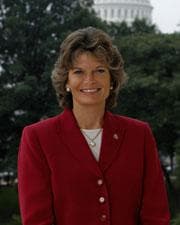
- Introduced
- 5/21/2026
- Last activity
- 5/21/2026 — Read twice and referred to the Committee on Finance.
- Sponsored by
- Lisa Murkowski
- Cosponsors
- - 1 - 3
- Introduced
- In Committee
What this bill would do
The "Promoting Strong Native Families and Children Act" aims to remove administrative barriers and increase federal funding for Indian tribal child welfare programs. It adjusts grant allotment formulas to provide specific base amounts plus funding based on tribal populations. The bill increases set-aside percentages for various child welfare programs and allows tribes to use funds for customary adoptions. It also grants the Secretary authority to waive matching requirements and provides more funding for tribal court improvements. Additionally, the legislation creates a mechanism for direct social services block grants to tribes and allows for prevention-only service programs.
Yes· 3 of 7
Would Native Americans be better off under this?+9
The bill significantly increases funding, administrative flexibility, and authority for Indian tribes and their social services.
Would children be better off under this?+8
The bill increases funding and resources specifically for tribal child welfare and prevention services.
Would people in rural areas be better off under this?+6
Increased funding for tribal programs benefits many residents living in rural tribal lands.
The opposite
No question was scored the opposite.
Who it would affect, and how
Potential Positive Impacts for People
-
Increased Funding for Tribal Programs: The bill increases the tribal set-aside for the Stephanie Tubbs Jones Child Welfare Services Program from 3 percent to 5 percent (Section 2(e)).
-
Increased Funding for Safe and Stable Families: The bill increases the tribal set-aside for Mandatory Funding and Discretionary Funding for the Promote Safe and Stable Families program from 3 percent to 5 percent (Section 2(c) and 2(d)).
-
Support for Tribal Traditions: An Indian tribe or tribal consortium may now use provided amounts to facilitate and support tribal customary adoptions (Section 2(b)).
-
Improved Tribal Court Resources: Funding for the Tribal Court Improvement Program is increased from $2,000,000 per year to $5,000,000 for fiscal year 2026 and each year thereafter (Section 2(i)).
-
Flexibility in Financial Requirements: The Secretary is granted authority to waive or modify matching requirements for the Stephanie Tubbs Jones and Marylee Allen programs if it fits the specific needs, culture, and circumstances of a tribe (Section 2(g)).
-
Direct Support through Block Grants: The bill authorizes the Secretary to make grants directly to Indian tribes or tribal consortia for planning and carrying out programs, including those involving cultural preservation and traditional practices (Section 3).
-
Expanded Service Options: Tribes, organizations, or consortia may elect to provide prevention services and programs as an independent program without needing to submit a plan for foster care, adoption, or kinship guardianship (Section 4(a)).
-
Recognition of Tribal Caseworkers: States may elect to include visits made by tribal child welfare agency caseworkers to satisfy monthly caseworker visit requirements, provided there is a coordinated data-sharing agreement (Section 5).
Potential Negative Impacts for People
- No specific negative impacts or burdens are explicitly detailed in the provided text.
Groups and Interests Ranking
Every group the model scored this bill for, from -10 to +10. Hover a score for the reason it gave.
- Demographic And Interest Groups
- Good For Native Americans+9Good For Children+8Good For Rural Residents+6Good For Low Income Households+4Good For Urban Residents+1
- Economy And Finance
- Improves Fiscal Responsibility+5
- Social Issues And Justice
- Improves Poverty Reduction+4
- 6/11/2026
- 1 Cosponsor added.
- 5/21/2026
- Read twice and referred to the Committee on Finance.
- 3 Cosponsors added.
- Introduced in Senate
 Catherine Cortez Masto
Democrat · Nevada
 Ben Luján
Democrat · New Mexico
 Brian Schatz
Democrat · Hawaii
 Dan Sullivan
Republican · Alaska