Bill · S. 4578· Senate(119-S-4578)
Gateway to Careers Act of 2026
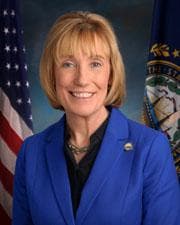
- Introduced
- 5/20/2026
- Last activity
- 5/20/2026 — Read twice and referred to the Committee on Health, Education, Labor, and Pensions.
- Sponsored by
- Maggie Hassan
- Cosponsors
- - 1 - 2
- Introduced
- In Committee
What this bill would do
This bill, known as the "Gateway to Careers Act of 2026," seeks to amend the Workforce Innovation and Opportunity Act to create a career pathways grant program. The Secretary of Labor, working with the Secretary of Education, will award competitive grants to State workforce agencies. These agencies can then provide subgrants to partnerships involving workforce development, education, and employer partners. The program focuses on developing career pathways, providing technical assistance, and offering student support services. Priority is given to partnerships involving public two-year institutions and those serving individuals with employment or education barriers.
Yes· 3 of 12
Would people in their twenties and thirties be better off under this?+5
The bill supports dual-enrollment for secondary students and skills access for working students.
Would households on low incomes be better off under this?+5
The bill targets individuals facing employment or education barriers and provides support services like food assistance.
Would people with disabilities be better off under this?+5
The bill incorporates universal design for learning and support services for individuals with disabilities.
The opposite
No question was scored the opposite.
Who it would affect, and how
Potential Positive Impacts for People
-
Targeted Support for Underserved Areas: The Secretary is required to ensure grants are distributed equitably, specifically including rural areas and regions traditionally underserved by economic development or industry partnerships (Section 2(b)(4)).
-
Support for Individuals with Barriers: Priority for subgrants is given to applicants that seek to serve individuals facing barriers to employment or postsecondary education (Section 2(e)(3)(B)).
-
Comprehensive Student Support Services: Subgrants can be used to provide essential services such as childcare, transportation, mental health and substance use disorder treatment, housing, and assistance with food assistance programs (Section 2(e)(4)(B)(i)).
-
Financial Assistance for Students: Funds may be used for emergency grants to help students facing financial hardships that might prevent them from staying in a career pathway program (Section 2(e)(4)(B)(iii)).
-
Enhanced Educational Access: The program supports strategies like dual-enrollment for secondary students and assistance for working students and adult populations to access skills and credentials (Section 2(e)(4)(A)(ii)).
Potential Negative Impacts for People
- Limited Duration of Funding: Grants and subgrants are limited to a period of no more than 4 years (Section 2(f)).
Groups and Interests Ranking
Every group the model scored this bill for, from -10 to +10. Hover a score for the reason it gave.
- Demographic And Interest Groups
- Good For Low Income Households+5Good For People With Disabilities+5Good For Rural Residents+5Good For Young Adults+5
- Social Issues And Justice
- Improves Disability Rights+5Improves Childcare Affordability+4Improves Poverty Reduction+4
- Economy And Finance
- Increases Job Creation+5Improves Small Business Support+3
- Education And Technology
- Improves College Affordability+5
- Environment Energy And Infrastructure
- Improves Rural Development+5
- Healthcare
- Improves Mental Health Access+4
- 5/20/2026
- Read twice and referred to the Committee on Health, Education, Labor, and Pensions.
- 3 Cosponsors added.
- Introduced in Senate
 Susan Collins
Republican · Maine
 Timothy Kaine
Democrat · Virginia
 Todd Young
Republican · Indiana