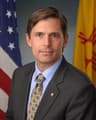
Martin Heinrich (D-NM)
Physical Therapist Workforce and Patient Access Act of 2026
A Democratic bill with 2 Republican cosponsors · See all 2 cosponsors
Last activity — Read twice and referred to the Committee on Health, Education, Labor, and Pensions.
In committee
Introduced and handed to a committee in the chamber it started in.
The committee holds it, and most bills are never heard from again. A hearing or a committee vote would be news; silence is the usual outcome, and it kills the bill without anyone voting against it.
Its path through Congress
- Introduced
- In Committee
What this bill would do
The Physical Therapist Workforce and Patient Access Act of 2026 aims to include physical therapists in the National Health Service Corps Loan Repayment program. It directs the Secretary to identify specific target areas that have a shortage of physical therapy services. The bill also provides an additional $15,000,000 for loan repayments for these professionals. Furthermore, it expands Medicare Rural Health Clinic and Federally Qualified Health Center services to include physical therapy. These changes are intended to increase the availability of physical therapy services.
Yes· 3 of 8
- Scored +7
Would people in rural areas be better off under this?
The bill specifically targets the distribution of physical therapists to rural health professional shortage areas.
- Scored +7
Does this make health care easier to get in general?
The bill increases the availability of physical therapy services by providing loan repayment incentives for providers in shortage areas.
- Scored +6
Does this reduce what student borrowers owe or repay?
The bill provides a mechanism for physical therapists to have their educational loans repaid through the National Health Service Corps.
The opposite
No question was scored the opposite.
Who it would affect, and how
Potential Positive Impacts for People
-
Loan Repayment Assistance for Physical Therapists: By amending the Public Health Service Act, the bill allows physical therapists with a doctoral or master's degree to participate in the National Health Service Corps Loan Repayment program (Section 2).
-
Increased Funding for Workforce Distribution: The bill adds $15,000,000 to assist with loan repayments for physical therapists participating in the program (Section 3).
-
Targeted Support for Shortage Areas: The Secretary is tasked with identifying specific geographic areas within health professional shortage areas that specifically lack physical therapy services (Section 2(b)).
-
Expanded Medicare Coverage: The bill amends the Social Security Act to include physical therapy services furnished by a physical therapist within Medicare Rural Health Clinic Services and Federally Qualified Health Center Services (Section 4(a)).
Potential Negative Impacts for People
- No negative impacts or burdens are explicitly stated in the provided text.
Groups and Interests Ranking
Every group the model scored this bill for, from -10 to +10. Tap or hover a score for the reason it gave.
- Demographic And Interest Groups
- Would people in rural areas be better off under this? — The bill specifically targets the distribution of physical therapists to rural health professional shortage areas. Would households on low incomes be better off under this? — Expanding services in Federally Qualified Health Centers increases access to care for low-income individuals. Would people over 65 be better off under this? — Expanding Medicare coverage for physical therapy services directly benefits the senior population.
- Healthcare
- Does this make health care easier to get in general? — The bill increases the availability of physical therapy services by providing loan repayment incentives for providers in shortage areas. Does this put more money into Medicare, the health coverage for people over 65? — The bill expands the scope of services covered under Medicare Rural Health Clinic and Federally Qualified Health Center services.
- Education And Technology
- Does this reduce what student borrowers owe or repay? — The bill provides a mechanism for physical therapists to have their educational loans repaid through the National Health Service Corps.
- Economy And Finance
- Is this likely to create jobs? — The bill incentivizes physical therapists to work in shortage areas through loan repayment assistance.
- Social Issues And Justice
- Is this likely to lift people out of poverty? — Increasing access to healthcare services can assist in the long-term economic stability of low-income communities.
- 6/24/2026
- 1 Cosponsor added.
- 4/28/2026
- Read twice and referred to the Committee on Health, Education, Labor, and Pensions.
- 1 Cosponsor added.
- Introduced in Senate
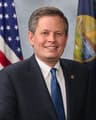 Steve Daines
Republican · Montana
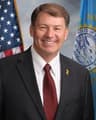 Mike Rounds
Republican · South Dakota