Bill · S. 3903· Senate(119-S-3903)
Railway Safety Act of 2026
- Introduced
- 2/24/2026
- Last activity
- 2/24/2026 — Read twice and referred to the Committee on Commerce, Science, and Transportation.
- Sponsored by
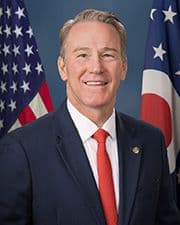
- Jon Husted
- Cosponsors
- - 3 - 4
- Introduced
- In Committee
What this bill would do
The Railway Safety Act of 2026 aims to enhance safety requirements for trains carrying hazardous materials. It establishes stricter speed limits and tank car requirements for high-hazard trains. The bill also addresses the safety of long trains and the issue of blocked highway-rail grade crossings. Additional provisions include improved inspection protocols, defect detection systems, and requirements for minimum crew sizes. Finally, it includes measures for emergency response preparedness and increased penalties for safety violations.
Yes· 3 of 9
Does this better protect air, water and wildlife?+7
The bill mandates stricter safety requirements for transporting hazardous materials to prevent environmental damage.
Would people in cities be better off under this?+6
The bill implements speed limits for high-hazard trains in high-threat urban areas.
Does this improve help for people hit by a disaster?+6
The bill provides financial assistance to communities responding to significant hazardous materials incidents.
The opposite
Would business owners be better off under this?-3
Railroad companies face increased compliance costs, higher penalties, and new registration fees.
Who it would affect, and how
Potential Positive Impacts for People
-
Enhanced Train Safety through Speed Limits: The bill would require the Secretary to limit all trains to a maximum speed of 50 miles per hour, and high-hazard trains carrying flammable liquids to a maximum of 40 miles per hour in high-threat urban areas. (Section 102(b)(2))
-
Improved Information Sharing for First Responders: Class I railroads would be required to provide real-time electronic train consist information to fusion centers and prohibits withholding this information from first responders during emergencies. (Section 102(b)(4) and (7))
-
Increased Safety for Long Trains: The Secretary is tasked with evaluating safety concerns regarding train length and weight to update regulations accordingly. (Section 103(a))
-
Reduction of Blocked Crossings: The bill mandates a study by the National Academy of Sciences to find solutions for preventing or reducing blocked highway-rail grade crossings. (Section 104(a))
-
Strengthened Inspection Requirements: The bill prohibits railroads from limiting the time required for employees to complete safety inspections of railcars, locomotives, and brake systems. (Section 105(a))
-
Improved Defect Detection: The bill requires Class I railroads to implement defect detector networks to identify unsafe equipment or operations. (Section 107(d))
-
Mandatory Crew Sizes: Freight trains operated by Class I railroads would be required to have a minimum 2-person crew, consisting of a conductor and a locomotive engineer. (Section 108(b))
-
Emergency Financial Assistance: An assistance program would provide immediate financial help to communities responding to significant hazardous materials transportation incidents, covering costs like overtime and personal protective equipment. (Section s 204(2) and (6))
Potential Negative Impacts for People
-
Increased Penalties for Railroads: The bill increases civil penalties for violating safety regulations, with maximum fines reaching $5,000,000 if the violation results in death, serious illness, or severe injury. (Section 109(a)(3))
-
New Fees for Hazardous Materials Registration: The bill establishes an annual fee for persons required to file registration statements for hazardous materials, with higher fees for those not identified as small businesses. (Section 201(a)(2))
-
Potential Impact on Commerce: The phase-out of certain tank cars could be delayed if manufacturing capacity is insufficient or if there are significant impacts to interstate commerce. (Section 110(c))
Groups and Interests Ranking
Every group the model scored this bill for, from -10 to +10. Hover a score for the reason it gave.
- Demographic And Interest Groups
- Good For Urban Residents+6Good For Native Americans+5Good For Union Workers+5Good For Business Owners-3
- Environment Energy And Infrastructure
- Improves Environmental Protections+7Improves Disaster Relief And F E M A+6
- Governance And Ideology
- Increases Federal Power+4Improves Government Transparency+3
- Economy And Finance
- Improves Consumer Protection+5
- Education And Technology
- Increases Scientific Research Funding+5
- 2/24/2026
- Read twice and referred to the Committee on Commerce, Science, and Transportation.
- 7 Cosponsors added.
- Introduced in Senate
2 bills Congress.gov lists as related to this one — companions in the other chamber, earlier versions, and bills this one absorbed or was folded into.
 Tammy Baldwin
Democrat · Wisconsin
 Maria Cantwell
Democrat · Washington
 John Fetterman
Democrat · Pennsylvania
 Amy Klobuchar
Democrat · Minnesota
 Roger Marshall
Republican · Kansas
 Bernie Moreno
Republican · Ohio
 Eric Schmitt
Republican · Missouri