Bill · S. 3396· Senate(119-S-3396)
Domestic Workers Bill of Rights Act
- Introduced
- 12/9/2025
- Last activity
- 12/9/2025 — Read twice and referred to the Committee on Health, Education, Labor, and Pensions.
- Sponsored by
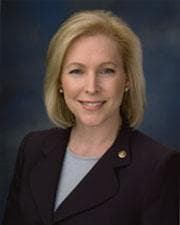
- Kirsten Gillibrand
- Cosponsors
- - 16 - 0
- Introduced
- In Committee
What this bill would do
The Domestic Workers Bill of Rights Act aims to enhance the rights and protections of domestic employees across the United States. This legislation seeks to amend the Fair Labor Standards Act to provide overtime protections and specific termination notices for live-in employees. It establishes new rights for domestic workers, including requirements for written agreements, earned sick days, and fair scheduling practices. The bill also addresses privacy concerns, mandates specific meal and rest breaks, and amends Title VII of the Civil Rights Act to include certain domestic employees. Additionally, the act creates a Domestic Employee Standards Board and mandates the creation of a notice of rights and a dedicated website.
Yes· 3 of 18
Would households on low incomes be better off under this?+7
The bill provides significant new wage, sick leave, and scheduling protections and aims to increase access to secure retirement and health care for domestic employees.
Would women be better off under this?+7
The bill strengthens rights for a workforce that is nearly 90% women, providing greater financial security through improved benefits.
Does this expand the rights of people with disabilities?+6
The bill ensures that domestic employees providing care for individuals with disabilities can have their rights protected without negatively impacting their care.
The opposite
Does this make it easier to run a small business?-3
The bill imposes new administrative requirements like written agreements and scheduling notice on employers.
Does this change how police departments operate?-2
The bill includes protections against employers threatening to contact government agencies regarding immigration status.
Who it would affect, and how
Potential Positive Impacts for People
-
Overtime Protections: Live-in domestic employees would gain access to overtime protections by repealing previous exclusions (Section 101).
-
Termination Security: Live-in employees would receive written notice of termination and either lodging for 30 days or severance pay (Section 102).
-
Communication Access: Employers requiring live-in service must provide reasonable access to telephone and internet services (Section 102).
-
Written Employment Terms: Employees would receive written agreements that include details on pay rates, work hours, and job responsibilities (Section 110).
-
Paid Sick Leave: Domestic employees can earn paid sick time for personal illness, caring for family members, or addressing issues related to domestic violence, sexual assault, or stalking (Section 111).
-
Scheduling Predictability: The bill establishes fair scheduling practices, including notice for changes to work hours and pay for canceled shifts (Section 112).
-
Personal Flexibility: Employees have the right to request temporary changes to their work schedules for specific personal events (Section 113).
-
Privacy Protections: Employers are prohibited from monitoring employees while they use restroom facilities, in their living quarters, or while changing clothes (Section 114).
-
Rest and Meal Breaks: The bill mandates meal breaks for work exceeding five hours and rest breaks for every four hours worked (Section 115).
-
Wage Protection: Employers are prohibited from deducting wages for cash shortages or equipment breakage (Section 116).
-
Civil Rights Coverage: Certain domestic employees would be included in civil rights protections against employment discrimination (Section 131).
-
Industry Standards Oversight: A new Standards Board will be established to promote the health, safety, and well-being of domestic employees (Section 201).
-
Access to Information and Rights: The Secretary must create a notice of domestic employee rights and a website that summarizes these rights in plain language (Section 302). This notice must be available in English, Spanish, and other languages understood by employees (Section 302(a)(2)).
-
Direct Assistance: A national hotline will be established via competitive grants to allow domestic employees to seek assistance on any domestic employee-related issue (Section 304).
-
Community Support and Education: Grants will be awarded to entities to help educate domestic employees of their rights and educate employers of their obligations (Section 305(a)(1)). These entities can also provide mediation services and assist employees in filing claims (Section 305(d)).
-
Protection for Medicaid-Funded Workers: Regulations will be developed to protect, stabilize, and expand the workforce of domestic employees and personal care aides who provide Medicaid-funded services (Section 307(a)(1)).
-
Protection Against Financial Burden for Individuals with Disabilities: The bill prohibits States from requiring individuals with disabilities who self-direct their care to use their direct service budget to pay for costs resulting from the new employee protections, such as paid sick time or overtime (Section 307(a)(3)).
-
State Financial Support: The bill provides for a temporary increase in the Federal medical assistance percentage (FMAP) for certain Medicaid-funded services provided by domestic employees to ensure States do not have to reduce the level of assistance provided (Section 401).
Potential Negative Impacts for People
-
Termination Exceptions: Employers may avoid providing notice or severance if they make a good faith allegation of abuse, neglect, or other harmful conduct by the employee (Section 102).
-
Predictability Limits: The right to meal and rest breaks may be waived if the safety of an individual under the employee's care prevents the break (Section 115).
-
On-Duty Breaks: Employers and employees may agree to "on-duty" breaks, meaning the employee is not relieved of all duties during the break (Section 115).
-
Delayed Enforcement of Rights: Enforcement of the Act's provisions is delayed for two years regarding any Federal, State, or local governmental agency or entities operating under their grants or contracts (Section 308(a)). This delay can be extended by one year (Section 308(b)).
-
Delay in Legal Recourse for Medicaid-Funded Workers: Employers of domestic employees receiving payment under a State Medicaid plan or waiver cannot be sued under certain sections of the Act until at least two years after the date of enactment (Section 308(c)).
Groups and Interests Ranking
Every group the model scored this bill for, from -10 to +10. Hover a score for the reason it gave.
- Demographic And Interest Groups
- Good For Low Income Households+7Good For Women+7Good For African Americans+5Good For Hispanic Americans+5Good For People With Disabilities+5Good For Seniors+5Good For Union Workers+5
- Social Issues And Justice
- Improves Disability Rights+6Improves Poverty Reduction+6Improves Gender Equality+5Improves Racial Equity+5Improves Social Security+4Improves Policing Reform-2
- Healthcare
- Increases Medicaid Funding+6Improves Healthcare Access+5Increases Affordable Care Act Support+3
- Economy And Finance
- Increases Minimum Wage+5Improves Economic Growth+2Improves Small Business Support-3
- Governance And Ideology
- Improves Government Transparency+4
- 1/12/2026
- 1 Cosponsor added.
- 12/9/2025
- Read twice and referred to the Committee on Health, Education, Labor, and Pensions.
- 16 Cosponsors added.
- Introduced in Senate
 Tammy Baldwin
Democrat · Wisconsin
 Richard Blumenthal
Democrat · Connecticut
 Cory Booker
Democrat · New Jersey
 Richard Durbin
Democrat · Illinois
 Tammy Duckworth
Democrat · Illinois
 John Fetterman
Democrat · Pennsylvania
 Amy Klobuchar
Democrat · Minnesota
 Timothy Kaine
Democrat · Virginia
 Ben Luján
Democrat · New Mexico
 Edward Markey
Democrat · Massachusetts
 Patty Murray
Democrat · Washington
 Jeff Merkley
Democrat · Oregon
 Alex Padilla
Democrat · California
 Bernie Sanders
Independent · Vermont
 Adam Schiff
Democrat · California
 Peter Welch
Democrat · Vermont
 Elizabeth Warren
Democrat · Massachusetts