
A Democratic bill with 2 Democratic cosponsors · See all 2 cosponsors
Last activity — Read twice and referred to the Committee on Finance.
In committee
Introduced and handed to a committee in the chamber it started in.
The committee holds it, and most bills are never heard from again. A hearing or a committee vote would be news; silence is the usual outcome, and it kills the bill without anyone voting against it.
Its path through Congress
- Introduced
- In Committee
What this bill would do
This bill is known as the No Big Blockbuster Bailouts Act. It was introduced in the Senate on October 21, 2025, by Mr. Welch, along with Mr. Wyden and Ms. Cortez Masto. The legislation amends title XI of the Social Security Act. Specifically, it changes how orphan drugs are treated under the Medicare Drug Price Negotiation Program. The changes in the bill apply starting on or after January 1, 2028.
Yes· 3 of 8
- Scored +4
Does this put more money into medical research?
The higher threshold for orphan drugs may support continued research and development focus on rare diseases.
- Scored +3
Would business owners be better off under this?
Pharmaceutical companies and drug manufacturers benefit from adjusted thresholds for orphan drug negotiations.
- Scored +3
Would people with disabilities be better off under this?
Patients relying on orphan drugs for rare diseases and conditions may see continued investment in specialized treatments.
The opposite
- Scored -2
Does this lower the price of prescription medicines?
Adjusting thresholds for orphan drug price negotiations could potentially limit price reduction negotiations for certain drugs.
Who it would affect, and how
Potential Positive Impacts for People
- Higher threshold for certain orphan drugs: Under section 2(a)(3) of the bill, the treatment of orphan drugs is updated so that a specific dollar amount is changed from $200,000,000 to $400,000,000. This could be viewed positively if it supports continued focus on drugs for rare diseases or conditions.
Potential Negative Impacts for People
- Stricter limits on drug negotiation exemptions: Section 2(a)(2) strikes subparagraph (A) of paragraph (3) in the existing law. This removes certain existing provisions related to the Medicare Drug Price Negotiation Program, which could negatively impact individuals depending on how these negotiation rules affect drug availability or costs.
Groups and Interests Ranking
Every group the model scored this bill for, from -10 to +10. Tap or hover a score for the reason it gave.
- Demographic And Interest Groups
- Would business owners be better off under this? — Pharmaceutical companies and drug manufacturers benefit from adjusted thresholds for orphan drug negotiations. Would people with disabilities be better off under this? — Patients relying on orphan drugs for rare diseases and conditions may see continued investment in specialized treatments. Would retired people be better off under this? — Retirees on Medicare are impacted by adjustments to federal drug price negotiation policies. Would people over 65 be better off under this? — Medicare beneficiaries are directly affected by the changes to the Medicare Drug Price Negotiation Program.
- Healthcare
- Does this put more money into medical research? — The higher threshold for orphan drugs may support continued research and development focus on rare diseases. Does this put more money into Medicare, the health coverage for people over 65? — The bill modifies the Medicare Drug Price Negotiation Program regarding orphan drugs, which impacts Medicare program operations and expenditures. Does this lower the price of prescription medicines? — Adjusting thresholds for orphan drug price negotiations could potentially limit price reduction negotiations for certain drugs.
- Education And Technology
- Does this put more money into scientific research? — The legislation incentivizes continued attention toward pharmaceutical research for rare conditions.
- Social Issues And Justice
- Does this expand the rights of people with disabilities? — Supporting treatments for rare diseases can positively affect individuals with specific rare conditions and disabilities.
- 10/21/2025
- Read twice and referred to the Committee on Finance.
- 2 Cosponsors added.
- Introduced in Senate
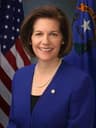 Catherine Cortez Masto
Democrat · Nevada
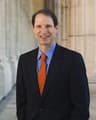 Ron Wyden
Democrat · Oregon