Bill · S. 2939· Senate(119-S-2939)
Child Care for Every Community Act
- Introduced
- 9/30/2025
- Last activity
- 9/30/2025 — Read twice and referred to the Committee on Health, Education, Labor, and Pensions.
- Sponsored by
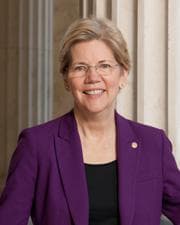
- Elizabeth Warren
- Cosponsors
- - 8 - 0
- Introduced
- In Committee
What this bill would do
The Child Care for Every Community Act aims to establish universal, comprehensive child care and early learning programs across the United States. This legislation seeks to provide all young children with opportunities to reach their full potential through high-quality, affordable programs. It focuses on promoting school readiness by enhancing cognitive, social, emotional, and physical development. The bill establishes a legislative framework for these services, involving community-level decision-making and the involvement of parents and families. Additionally, it outlines provisions for financial assistance, prime sponsors, and national program standards to ensure consistent quality. The legislation also establishes frameworks for research, evaluation, and coordination, including the creation of a Child Development Research Council.
Yes· 3 of 24
Does this make child care cost less?+10
The bill establishes universal, comprehensive, and affordable child care through federal financial assistance and sliding fee scales.
Would children be better off under this?+8
The bill enhances the quality, safety, and accessibility of early childhood development and learning programs.
Would households on low incomes be better off under this?+7
The bill specifically targets support for low-income, underserved, and seasonal farmworker children and their families.
The opposite
No question was scored the opposite.
Who it would affect, and how
Potential Positive Impacts for People
-
Increased Access to Child Care: The bill establishes that every covered child is entitled to participate in a child care and early learning program, which is not a capped entitlement (Section 111(b)).
-
Affordability for Families: Families with low incomes will not be charged fees for services (Section 114(j)(1)(A)), while other families may use a sliding fee scale to ensure affordability (Section 114(j)).
-
Support for Vulnerable Groups: The bill provides specific provisions for migrant and seasonal farmworkers, where the Secretary pays 100 percent of the costs (Section 112(c)(2)(B)), as well as Native American children and Native Hawaiian children (Section 112(c)(2)(C)). Additionally, the Secretary is required to report on the status of specific groups, including low-income, children with disabilities, homeless, and foster care children (Section 138(a)).
-
Enhanced School Readiness: Programs are designed to promote development in areas such as language, literacy, mathematics, science, and physical skills to prepare children for school (Section 101(3)).
-
Improved Workforce Standards: The bill requires that staff be paid competitive rates of compensation that are not less than a living wage (Section 136(b)(1)).
-
Community-Led Decision Making: Decisions regarding the nature of programs are to be made at the community level with the involvement of parents, families, and local organizations (Section 101(5)).
-
Improved Research Coordination: The creation of a Child Development Research Council aims to ensure the maximum utilization of resources and prevent the duplication of activities (Section (d)(3)).
-
Financial Help for Scaling Services: Prime sponsors can receive supplemental financial assistance to help them scale services, meet national standards, and access adequate facilities (Section 151(a) and (b)).
-
Workforce Support: States can use special grants to support compensation for the child care workforce, including retention or bonus awards (Section 152(b)(3)).
-
Increased Program Stability: Grants to States can cover portions of fixed operating expenses to support increased wages and program stability (Section 152(b)(16)).
-
Improved Service Delivery: Special grants can be used to encourage cooperation between State agencies and prime sponsors to provide health, nutrition, and mental health services (Section 152(b)(7)).
Potential Negative Impacts for People
-
Potential Financial Burdens on Non-Low-Income Families: Families that are not considered low-income may be required to pay fees based on a sliding fee scale (Section 114(j)(2)).
-
Administrative Requirements for Providers: Prime sponsors and delegate providers must adhere to significant administrative, financial management, and record-keeping requirements (Section 132(a); Section 134).
-
Potential Limitations on Facilities: Use of financial assistance for construction or renovation is subject to specific determinations regarding cost-effectiveness and the availability of other facilities (Section 132(c)(1)).
-
Restrictions on State Spending: The "maintenance of effort" provisions prevent States from reducing their total expenditures for child care services below a certain average (Section 201(a)).
-
Eligibility Limitations: An eligible child may only receive child care services under this act if they are ineligible for services under the Child Care and Development Block Grant Act (Section 201(b)).
Groups and Interests Ranking
Every group the model scored this bill for, from -10 to +10. Hover a score for the reason it gave.
- Demographic And Interest Groups
- Good For Children+8Good For Low Income Households+7Good For Native Americans+6Good For People With Disabilities+6Good For Hispanic Americans+5Good For Middle Class Households+5Good For Women+5Good For Rural Residents+4Good For Union Workers+4Good For Young Adults+4Good For African Americans+3
- Social Issues And Justice
- Improves Childcare Affordability+10Improves Disability Rights+6Improves Poverty Reduction+5Improves Racial Equity+5
- Economy And Finance
- Increases Minimum Wage+6Increases Job Creation+5Improves Economic Growth+4Improves Union Protections+4
- Education And Technology
- Increases Public School Funding+6Improves College Affordability+4
- Healthcare
- Improves Mental Health Access+5
- Environment Energy And Infrastructure
- Improves Rural Development+4
- Governance And Ideology
- Improves Government Transparency+3
- 9/30/2025
- Read twice and referred to the Committee on Health, Education, Labor, and Pensions.
- 9 Cosponsors added.
- Introduced in Senate
One bill Congress.gov lists as related to this one — companions in the other chamber, earlier versions, and bills this one absorbed or was folded into.
 Richard Blumenthal
Democrat · Connecticut
 Cory Booker
Democrat · New Jersey
 Edward Markey
Democrat · Massachusetts
 Jeff Merkley
Democrat · Oregon
 Alex Padilla
Democrat · California
 Bernie Sanders
Independent · Vermont
 Tina Smith
Democrat · Minnesota
 Ron Wyden
Democrat · Oregon
 Peter Welch
Democrat · Vermont